









Is CBD flower legal in the UK? In 2026, the safest answer is that raw cannabis or hemp flower remains a controlled form of cannabis under the current Home Office position, even when it is rich in CBD and contains only a small amount of THC. The legal picture is more nuanced than a simple “yes” or “no”, however, because a significant 2023 Court of Appeal case considered low-THC hemp flower imported in 2019 and reached a result that is still widely quoted — and often overstated.
This guide separates those two things: what the current legislation and Home Office guidance say today, and what the Court of Appeal actually decided in R v Margiotta & Ors. It also explains why the familiar 0.2% THC figure does not create a general retail exemption for CBD buds.
This article was checked against current Home Office, GOV.UK and Court of Appeal sources on 28 September 2026. It is general information, not legal advice.
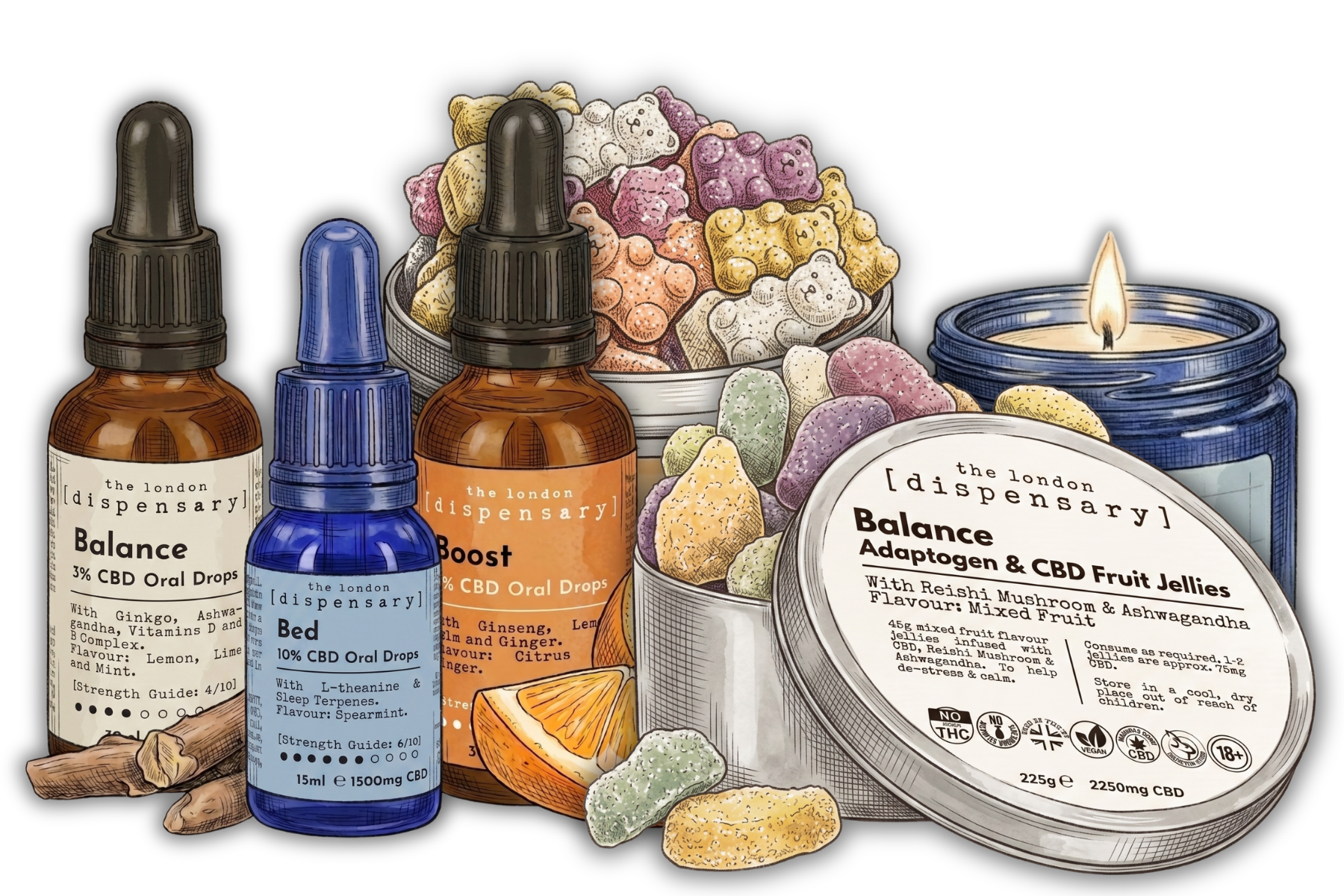
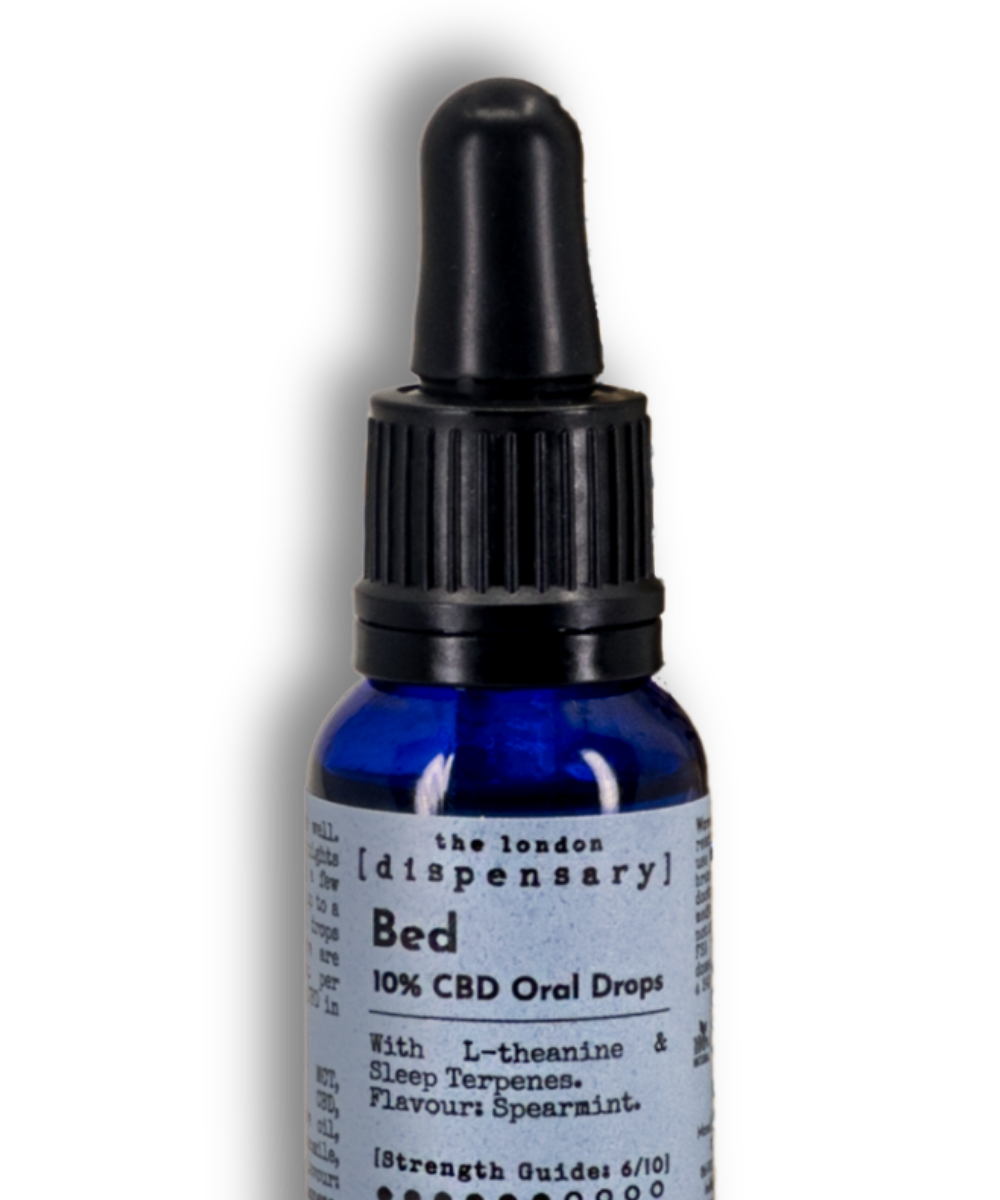
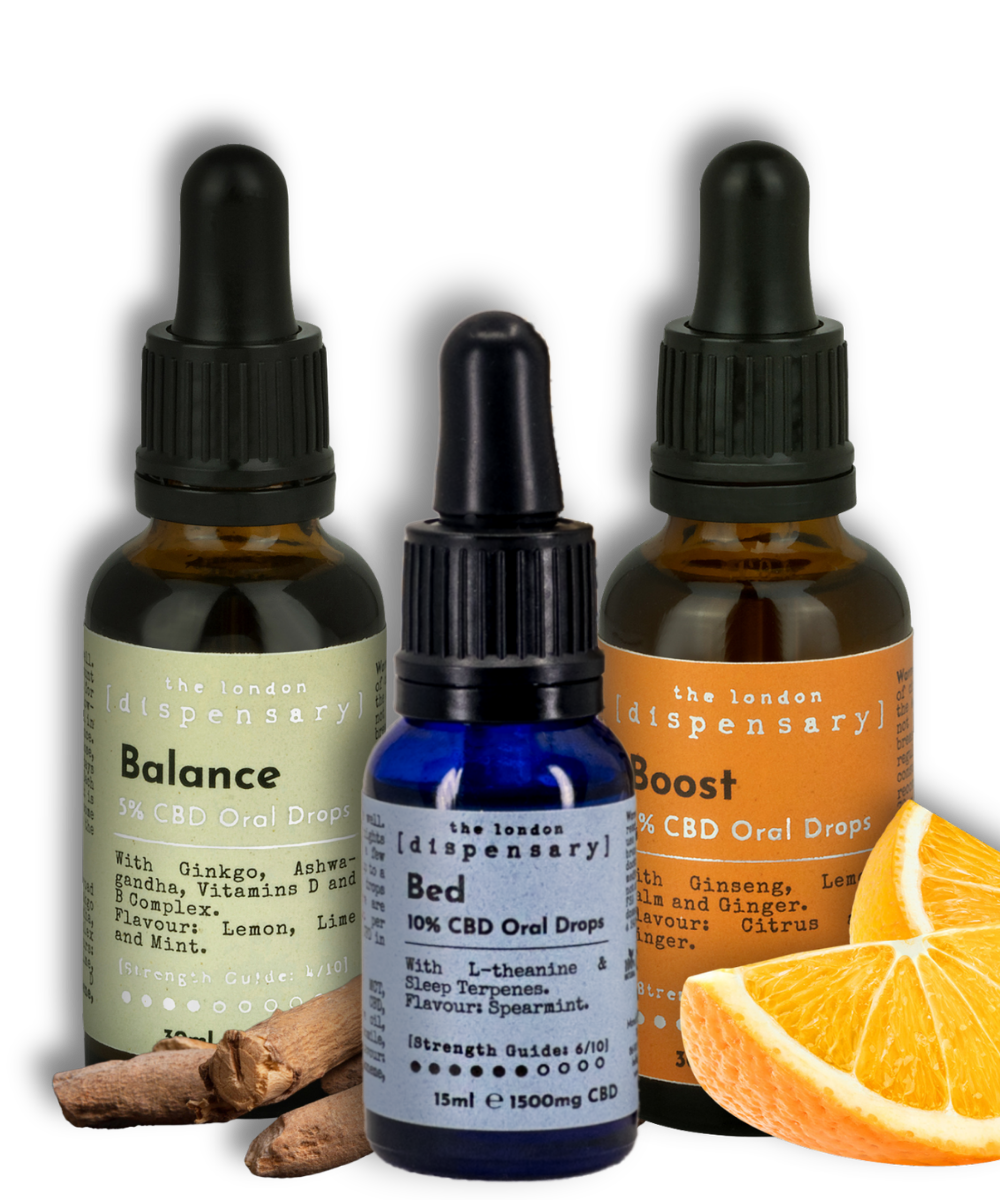
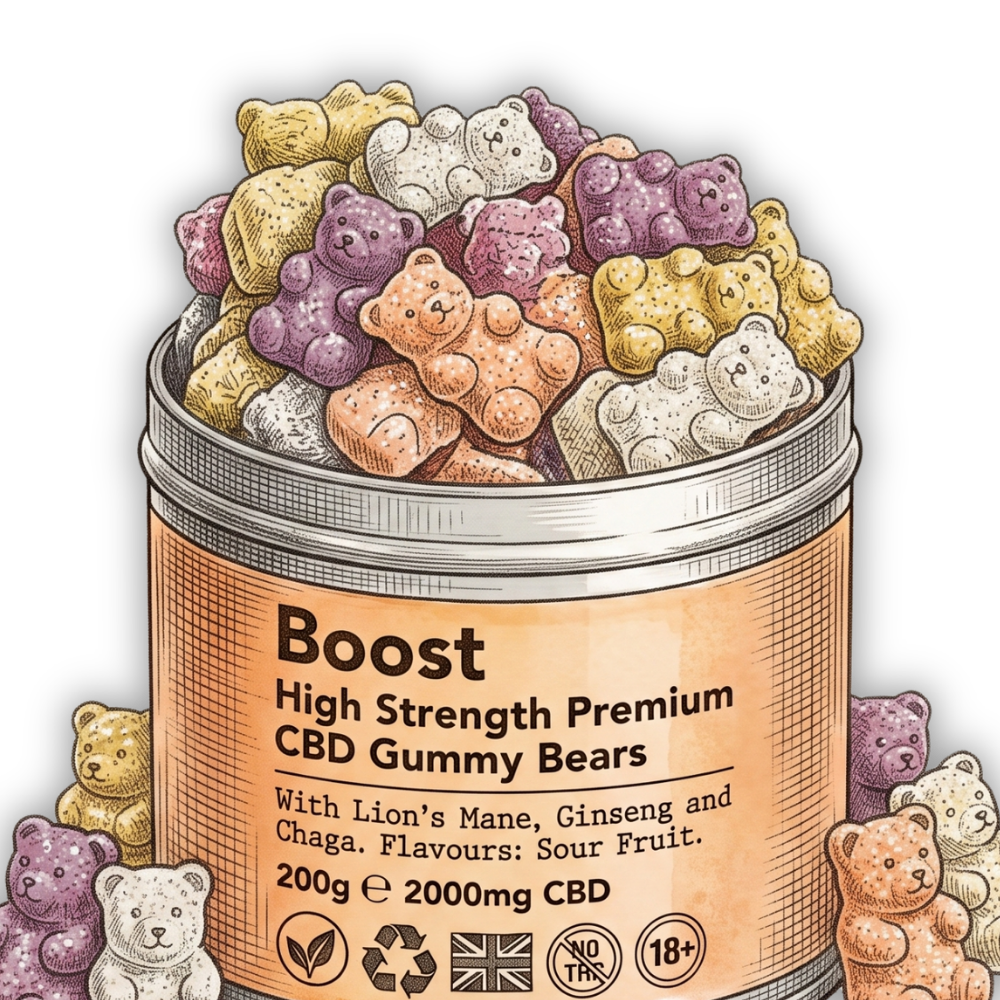
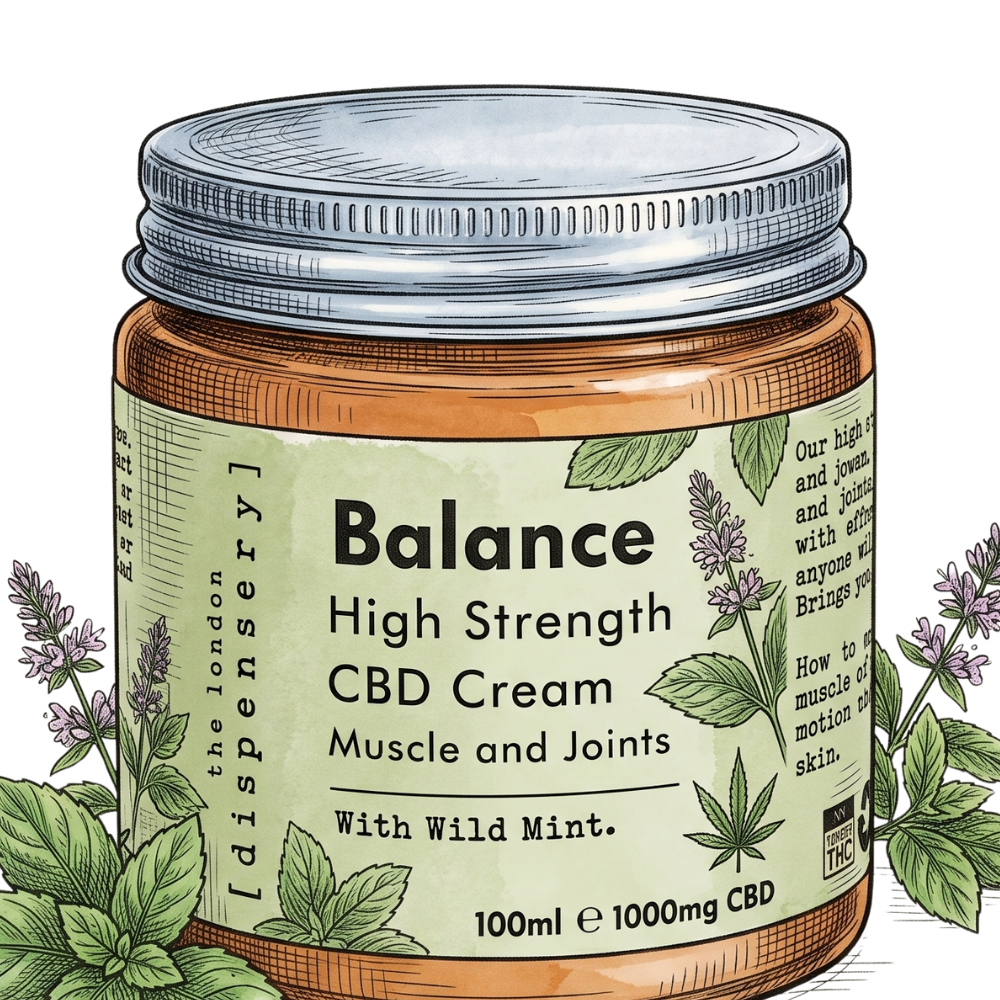
If you are looking for CBD without the legal uncertainty surrounding raw flower, explore our wider CBD products, including established formats such as oils, gummies and topicals.
Is CBD Flower Legal in the UK in 2026?
Under the Home Office’s current published position, cannabis is a Class B controlled drug. Its guidance explains that the statutory definition of cannabis covers the cannabis plant and its parts, with limited exceptions for the mature stalk, fibre produced from the mature stalk and seed. Pure isolated CBD is not itself controlled, but that distinction does not remove the legal controls applying to the raw cannabis flower from which CBD may be obtained. 1
That means the question “does this flower contain very little THC?” is not, by itself, the legal test. The plant material can still fall within the domestic definition of cannabis.

MYTH BUSTER
Why Is CBD Flower Law So Confusing?
The confusion is understandable because three different legal ideas are often blended together:
- CBD itself: pure cannabidiol, as an isolated substance, is not controlled under the Misuse of Drugs Act 1971.
- Raw cannabis flower: the flowering part of the cannabis plant can itself fall within the statutory definition of cannabis and therefore within Class B controls.
- Processed CBD products: an oil, gummy, cream or other preparation can have a separate legal analysis, including the controlled-cannabinoid “exempt product” rules and, for foods, novel-food regulation.
These are not interchangeable. A rule that can be relevant to a processed CBD oil does not automatically make raw hemp flower lawful, and the THC percentage used in cultivation policy does not automatically define the legal status of a retail product.
The 2023 Court of Appeal Case: What Actually Happened?
The strongest part of the original version of this article was its coverage of the 2023 court case. That history remains important, but the legal conclusion needs to be stated more precisely.
In R v Margiotta & Ors [2023] EWCA Crim 759, the defendants operated a business importing and selling Cannabis sativa plant material grown lawfully in Italy. Packages were intercepted in September 2019. The material included female flowering heads and contained trace levels of THC that did not exceed 0.2%. The defendants were later charged in relation to importation and supply. 2
Importantly, the Court of Appeal recorded that, as a matter of domestic UK law considered on its own, the imported material was cannabis and therefore a Class B controlled drug. The case did not turn on a newly created domestic exemption for “CBD flower”. Instead, it turned on the EU-law framework that applied to the 2019 conduct, including rules on agricultural hemp and the free movement of goods. 3
The prosecution sought permission to appeal the trial judge’s decision that the prosecution could not proceed. The Court of Appeal granted permission on one ground but ultimately dismissed the appeal. Its reasoning was closely connected to the law applicable to the imported low-THC hemp at the time of the alleged offences.
Did the Court of Appeal “legalise CBD flower”?
No. That is the most important correction to the older version of this guide.
The judgment is significant because the court rejected the prosecution’s attempt to overturn the result in that particular case and engaged in detail with the treatment of low-THC hemp under the EU legal framework that applied to the 2019 imports. But it did not amend the Misuse of Drugs Act 1971, create a new retail licence for CBD flower or announce that anyone in the UK could freely possess and supply hemp buds from that point onwards.
That is why phrases such as “CBD flower was decriminalised in June 2023” go too far. A court judgment resolving criminal proceedings on the law applicable to particular conduct is not the same thing as Parliament rewriting the statutory definition of cannabis.

DID YOU KNOW?
Does the Margiotta Case Apply to CBD Flower Sold in 2026?
It would be risky to treat Margiotta as a general 2026 permission to buy, possess, import or sell CBD flower.
The alleged offences took place in 2019, when EU law had a materially different relationship with UK domestic law. The judgment repeatedly examines EU agricultural regulations and Article 34 of the Treaty on the Functioning of the European Union. The current Home Office guidance, by contrast, continues to state that cannabis is a Class B controlled drug and that the controlled parts of the plant remain subject to licensing. 1
In other words, the judgment is highly relevant legal history and may still be important in litigation involving comparable facts, but it is not sensible consumer guidance to translate it into the sentence “CBD flower is legal under 0.2% THC”.
What Does the 0.2% THC Rule Really Mean?
The original article correctly identified that 0.2% is widely misunderstood, and that point is worth keeping.
The Home Office operates a specific low-THC industrial-hemp cultivation policy. Its current guidance explains that this route is for the production of non-controlled hemp products from fibre and seed. It does not create a general permission for a licensed grower to harvest the flowers and leaves as retail CBD buds. 4
The separate Home Office domestic-licensing guidance also states that cultivation of cannabis remains an offence without a licence and that the industrial-hemp cultivation policy does not allow use of the flowers or leaves. 5
So, if a website says “this bud is legal because the plant was below 0.2% THC”, it is skipping several legal steps.
What About the 1mg THC Rule?
Another common source of confusion is the “1mg rule”. It matters for some preparations or products containing controlled cannabinoids, but it should not be treated as a magic exemption for raw flower.
Regulation 2 of the Misuse of Drugs Regulations 2001 defines an “exempt product” using three conditions. In simplified terms, the product must not be designed for administration of the controlled drug; the controlled drug must not be readily recoverable in a risky yield; and no component part may contain more than one milligram of the controlled drug. The Home Office stresses that all three limbs must be met and that the issue is fact-specific. 6
Raw cannabis flower is already controlled as cannabis plant material. It is therefore misleading to say that a packet of flower becomes lawful simply because someone calculates less than 1mg THC in the packet.
What Is CBD Flower?
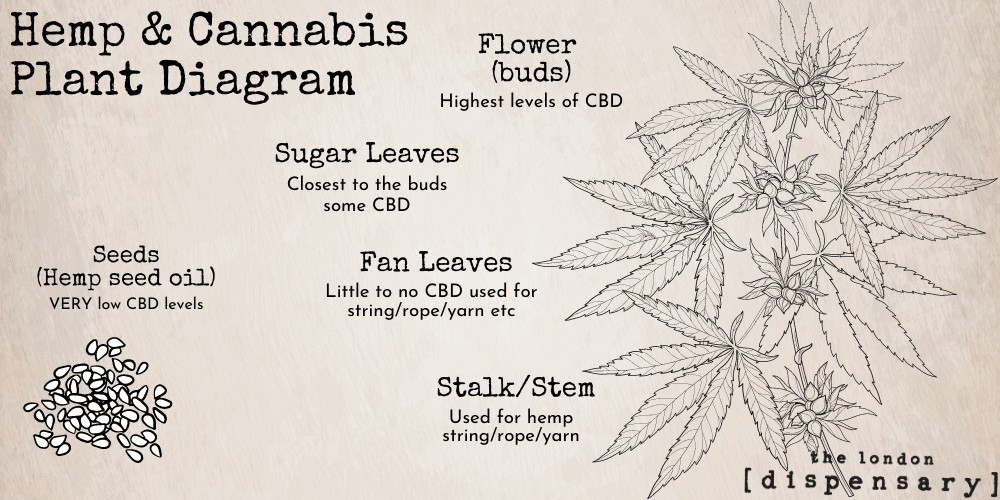
CBD flower — also called hemp flower, CBD bud or low-THC cannabis flower — is the dried flowering material from a plant of the genus Cannabis. The flower naturally contains a mixture of cannabinoids and aromatic compounds. “CBD flower” normally means a variety or crop selected for relatively high cannabidiol and comparatively low THC.
That botanical description is useful, but it does not create a separate legal species of plant. This is where the marketing language can be deceptive: a product may be described commercially as “hemp bud” or “CBD flower”, while the domestic legal framework still asks whether the material is cannabis.
Is CBD flower the same as high-THC cannabis?
Chemically, not necessarily. Low-THC hemp flower can have a very different cannabinoid profile from cannabis cultivated for high THC. Legally, however, the raw flowering material can still fall within the definition of cannabis. That is why “it does not get you high” and “it is legal to possess” are two different questions.
Can UK Farmers Grow Hemp for CBD Flower?
A Home Office licence can permit cultivation of approved low-THC industrial hemp under the relevant policy, but the licence is not a general permission to harvest and sell the controlled green material.
The Home Office describes the industrial-hemp policy as a route for producing seed and fibre. Its published licensing materials make clear that flowers and leaves are not the commercial end-use permitted by that policy. Anyone seeking to cultivate or handle controlled cannabis material for another lawful purpose would need to consider the separate controlled-drug licensing regime. 7
This remains a genuine frustration for parts of the UK hemp industry: a crop can be lawfully cultivated within a low-THC licensing system while the most cannabinoid-rich parts of the plant remain controlled material.
Can You Legally Buy CBD Flower Online in the UK?
CBD flower is openly advertised online in the UK, sometimes as “tea”, “aromatherapy”, “souvenir”, “collector’s flower” or simply “legal hemp”. The fact that a product is available to order does not itself establish that possession or supply is lawful.
Nor does a laboratory report showing less than 0.2% THC automatically solve the problem. A lab report can be useful evidence of composition, but composition and legal classification are not the same thing.

TOP TIP
What Are the Possible Penalties?
Because cannabis is a Class B drug, unauthorised possession and supply can carry serious maximum penalties. GOV.UK states that the maximum penalty for possession of a Class B drug is up to five years in prison, an unlimited fine or both; for supply or production, the maximum is up to 14 years in prison, an unlimited fine or both. Actual outcomes depend on the facts, quantity, role, previous history and other circumstances. 8
That does not mean every encounter involving low-THC flower will result in prosecution or the maximum sentence. It does mean the legal risk should not be dismissed because a product is labelled “CBD”.
How Is CBD Flower Different From Other CBD Products?
This is where the distinction becomes practical. Raw flower is controlled plant material. Other CBD products can be manufactured into forms that have a different legal analysis.
| Product type | Key legal issue |
|---|---|
| CBD / hemp flower | Raw flowering cannabis material; current Home Office position treats controlled parts of the plant as cannabis. |
| CBD oil / drops | CBD itself is not controlled, but controlled cannabinoids, exempt-product rules, food law and novel-food status can all matter. |
| CBD gummies / edibles | Food and novel-food requirements apply in addition to controlled-cannabinoid rules. |
| CBD topicals | Controlled cannabinoids still matter; the product is not assessed under the same food rules as an edible. |
For a fuller breakdown of processed products, read our guide to CBD oil legality in the UK and our separate explanation of CBD and THC edibles law.
What Legal CBD Formats Can You Explore Instead?
If your interest is CBD rather than raw cannabis flower, established processed formats provide a clearer consumer route. Our CBD products UK collection brings the main formats together, while the specialist categories let you compare products without confusing flower law with finished-product rules.
- CBD gummies and edibles — pre-portioned ingestible products subject to food and novel-food requirements.
- CBD oils and drops — compare concentration, bottle size, formulation and current product guidance.
- CBD creams, balms and other topicals — external-use products with their own ingredients, directions and testing considerations.

Will CBD Flower Become Legal in the UK?
There is no reliable date for a future change, and it would be speculation to suggest one.
The UK has already changed its approach to cannabis in some areas — most notably by creating a legal prescription route for cannabis-based products for medicinal use in 2018 — but that did not legalise recreational cannabis or create a general retail route for raw CBD flower. Current Home Office guidance still applies the controlled-drug framework described above.
For SEO pages like this one, the useful approach is not to predict when Parliament might change the law. It is to keep the page tied to primary sources and update it when legislation, official Home Office guidance or a genuinely relevant court decision changes the position.
The Bottom Line: Is CBD Flower Legal in the UK?
For an ordinary consumer in 2026, raw CBD or hemp flower should not be treated as a generally legal retail CBD product. The current Home Office position is that cannabis remains a Class B controlled drug and that the controlled parts of the plant include the flowering material, with industrial-hemp licensing focused on seed and fibre rather than retail buds.
The 2023 Margiotta judgment remains important. It showed that the legal analysis of low-THC hemp can be more complicated than the words “cannabis is cannabis”, particularly for conduct occurring when EU rules applied differently in the UK. But it did not rewrite the Misuse of Drugs Act or create a simple post-Brexit rule that flower below 0.2% THC is lawful.
The four points worth remembering are:
- CBD itself is not a controlled drug.
- Raw cannabis flower can still be controlled as cannabis regardless of its CBD branding.
- 0.2% THC is not a universal retail-product legality threshold.
- The 1mg exempt-product rule should not be treated as a blanket exemption for raw flower.
That is less dramatic than the claim that a single court case “legalised CBD flower”, but it is a much safer and more accurate description of where the UK position stands today.
Frequently Asked Questions
Frequently Asked Questions
Is CBD flower legal in the UK in 2026?
Raw CBD or hemp flower should not be treated as a generally lawful retail CBD product. Current Home Office guidance continues to treat the controlled parts of the cannabis plant as cannabis, a Class B controlled drug, subject to licensing and limited statutory exceptions.
Does less than 0.2% THC make CBD flower legal?
No. The 0.2% figure is associated with low-THC industrial-hemp cultivation and historic agricultural rules. It is not a blanket retail exemption for raw cannabis flower.
Did the 2023 Court of Appeal legalise CBD flower?
No. R v Margiotta concerned low-THC hemp imported in 2019 and the EU-law framework applicable to that conduct. The judgment did not amend the Misuse of Drugs Act 1971 or create a general 2026 permission to possess or sell CBD flower.
Can the 1mg exempt-product rule make CBD flower legal?
It should not be treated that way. The statutory exempt-product definition has several conditions and is applied to preparations or products on their facts. Raw cannabis flower is separately controlled as plant material.
Can UK farmers grow industrial hemp?
Yes, with the appropriate Home Office licence and subject to the conditions of the industrial-hemp policy. That policy is focused on non-controlled products from seed and fibre and does not provide a general route for harvesting and selling the flowers and leaves.
Is CBD itself illegal in the UK?
No. Pure isolated CBD is not itself a controlled drug. The legal status of a CBD product depends on the form of the product, any controlled cannabinoids it contains and the other regulatory regimes that apply.
References
- Home Office. (2024). Drug licensing factsheet: cannabis, CBD and other cannabinoids. https://www.gov.uk/government/publications/cannabis-cbd-and-other-cannabinoids-drug-licensing-factsheet/drug-licensing-factsheet-cannabis-cbd-and-other-cannabinoids
- Court of Appeal (Criminal Division). (2023). R v Margiotta & Ors [2023] EWCA Crim 759. https://www.bailii.org/ew/cases/EWCA/Crim/2023/759.html
- Court of Appeal (Criminal Division). (2023). R v Margiotta & Ors [2023] EWCA Crim 759, particularly paragraphs 4–6, 11, 23 and 62–72. https://www.bailii.org/ew/cases/EWCA/Crim/2023/759.html
- Home Office. (2025). Low THC cannabis (industrial hemp) licensing factsheet — domestic control measures and industrial hemp policy. Updated 18 December 2025. https://www.gov.uk/government/publications/industrial-hemp-licensing-guidance/industrial-hemp-licensing-factsheet
- Home Office. (2026). Controlled drugs: domestic licences. Updated 9 April 2026. https://www.gov.uk/guidance/controlled-drugs-domestic-licences
- Home Office. (2024). Drug licensing factsheet: cannabis, CBD and other cannabinoids, paragraphs 26–35. https://www.gov.uk/government/publications/cannabis-cbd-and-other-cannabinoids-drug-licensing-factsheet/drug-licensing-factsheet-cannabis-cbd-and-other-cannabinoids
- Home Office. (2025). Industrial hemp licensing. Updated 17 December 2025. https://www.gov.uk/guidance/controlled-drugs-industrial-hemp
- GOV.UK. (2026). Drugs penalties. https://www.gov.uk/penalties-drug-possession-dealing