











Short answer: what does the evidence say about CBD and arthritis?
CBD is being studied in relation to arthritis and pain, but current human evidence is mixed and is not strong enough to show that over-the-counter CBD products treat arthritis. Small studies of specific topical or transdermal CBD formulations have produced encouraging signals in hand and thumb osteoarthritis, while a larger placebo-controlled trial of oral CBD found no significant pain benefit. That means the most accurate position in 2026 is neither “CBD is proven for arthritis” nor “there is no research”. The evidence is developing, product formats are not interchangeable, and an ordinary CBD oil, gummy, cream or balm should not be presented as a licensed arthritis treatment.
What is arthritis?
Arthritis is a broad term for conditions that affect joints and can cause pain, swelling, stiffness and reduced movement. The NHS 1 2 identifies osteoarthritis and rheumatoid arthritis as two of the most common types, but there are many others. Osteoarthritis involves changes within a joint and is more common with age, previous joint injury and some other risk factors. Rheumatoid arthritis is an autoimmune condition in which the immune system attacks the lining of joints. The distinction matters because the evidence-based treatment is different. If you have persistent or unexplained joint pain, swelling or stiffness, particularly if symptoms are worsening or affecting daily life, seek medical advice rather than trying to self-diagnose the cause.

Why is CBD being researched for arthritis?
CBD, or cannabidiol, is a cannabinoid associated with Cannabis sativa. It does not produce the same intoxicating effect as THC. Researchers have investigated CBD because cannabinoid signalling and several other biological pathways are involved in pain perception, inflammatory signalling and sensory processing. Laboratory and animal findings can help researchers decide what should be studied in humans, but they are not proof that a finished consumer product works in people. For an arthritis article, human evidence should carry more weight than mechanistic claims.
What do human studies tell us?
The current picture is mixed.
| Study | Format and population | Main finding | Important limitation |
| Heineman et al., 2022 3 | Topical CBD 6.2mg/ml; thumb basal-joint arthritis | Small crossover RCT reported improvements in pain and disability measures during the CBD arm versus control | Only 18 participants entered the randomised phase; one specific formulation and one joint condition |
| Bawa et al., 2024 4 | 4% transdermal CBD gel; hand osteoarthritis | 15 participants completed an open-label feasibility study; pain and grip-strength measures improved during treatment | No placebo group; authors said efficacy still requires a randomised controlled trial |
| Vela et al., 2022 5 | Oral synthetic CBD 20–30mg/day; hand osteoarthritis or psoriatic arthritis | No clinically or statistically significant pain benefit versus placebo | Oral CBD rather than a topical product, but useful evidence that results are not uniformly positive |
Topical CBD in thumb osteoarthritis
The 2022 thumb basal-joint arthritis study is one of the more relevant human trials for topical CBD. It used a randomised, double-blind, crossover design and tested a specific CBD preparation applied over the affected joint. The researchers reported improvements in patient-reported pain and disability measures compared with control. It is a useful signal, but it remains a small trial of one formulation. It does not establish that every CBD cream, balm or topical concentration will behave the same way.
Transdermal CBD in hand osteoarthritis
A 2024 open-label feasibility study examined a 4% transdermal CBD gel in people with hand osteoarthritis. Pain and grip-strength measures improved during treatment, and low concentrations of CBD and metabolites were detected in urine. That second finding is a useful reminder that topical and transdermal products are not all equivalent. It is too absolute to say that CBD applied to the skin can never result in systemic exposure; formulation matters. The authors also stressed that a placebo-controlled randomised trial is required to establish efficacy.
Oral CBD trial: a negative result matters too
A 2022 randomised placebo-controlled trial involving people with hand osteoarthritis or psoriatic arthritis found no significant reduction in pain with oral synthetic CBD compared with placebo. Including negative studies matters because evidence reviews become misleading when they only select positive findings. It also reinforces that route, formulation, population and dose are all material.

What do broader topical-CBD reviews add?
The individual arthritis studies are useful, but broader reviews help show how small the evidence base still is. A systematic review of skin-applied CBD trials found only eight eligible published interventional studies and reported important limitations including high risk of bias, co-formulated ingredients and inconsistent reporting. Systematic review of topical/transdermal CBD trials A 2025 dermatology review describes growing interest in CBD as a skin-care ingredient and potential therapeutic compound, while also emphasising unresolved questions around skin penetration, formulation stability, long-term evidence and regulatory standardisation. CBD in skin health review That broader context supports a cautious conclusion: specific topical CBD findings are interesting, but the category is not yet standardised enough to treat one cream, balm or gel as interchangeable with another.
CBD cream, oil or gummies: are the formats interchangeable?
No. A topical cream, transdermal gel, oral oil and gummy are different product formats.
| Format | How it is used | What that means for arthritis research |
| CBD cream | Applied externally to skin | Relevant to topical-format studies, but results still depend on the tested formulation |
| CBD balm | Applied externally; richer oil/wax texture | Texture differs from cream; not automatically equivalent to a trialled topical preparation |
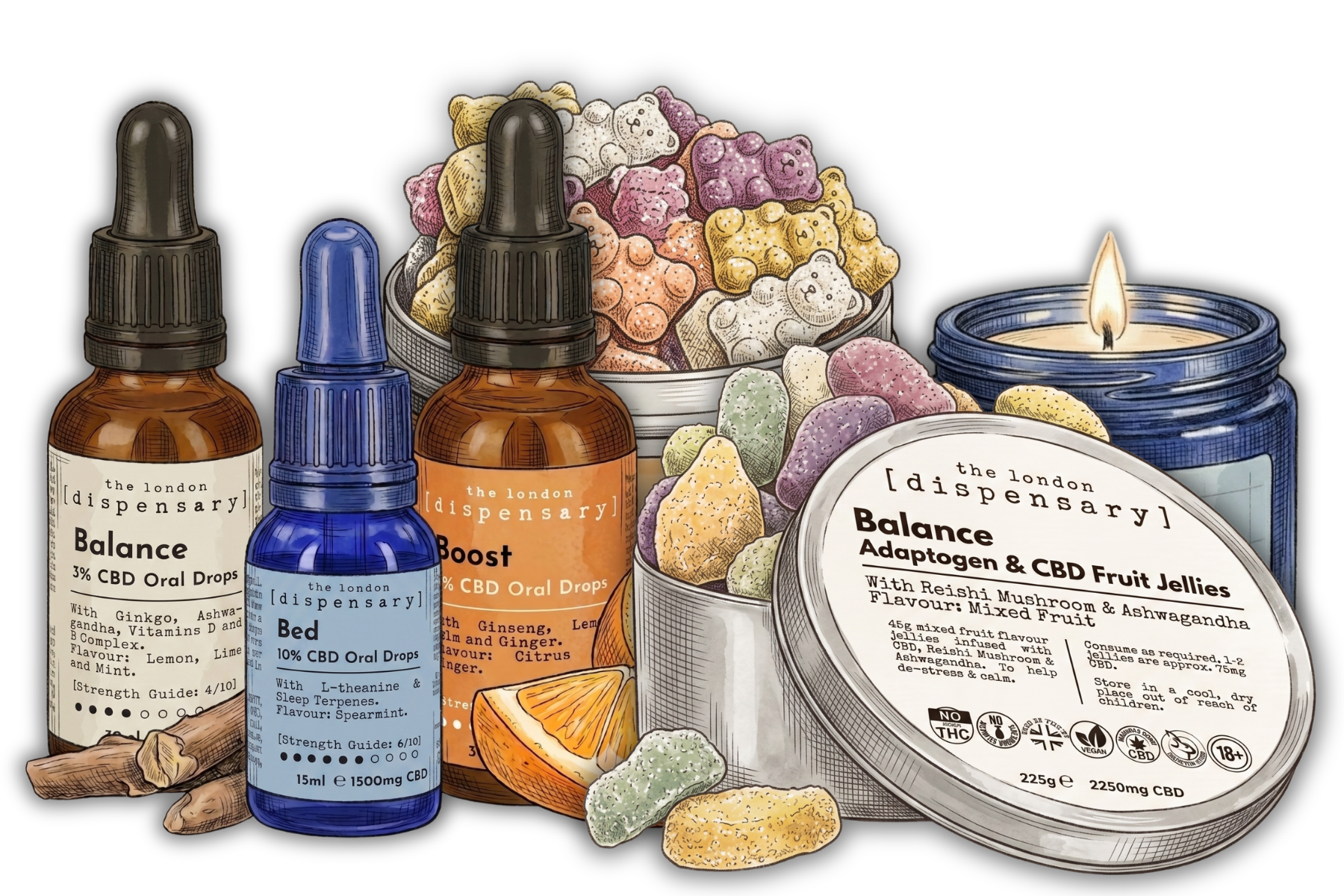
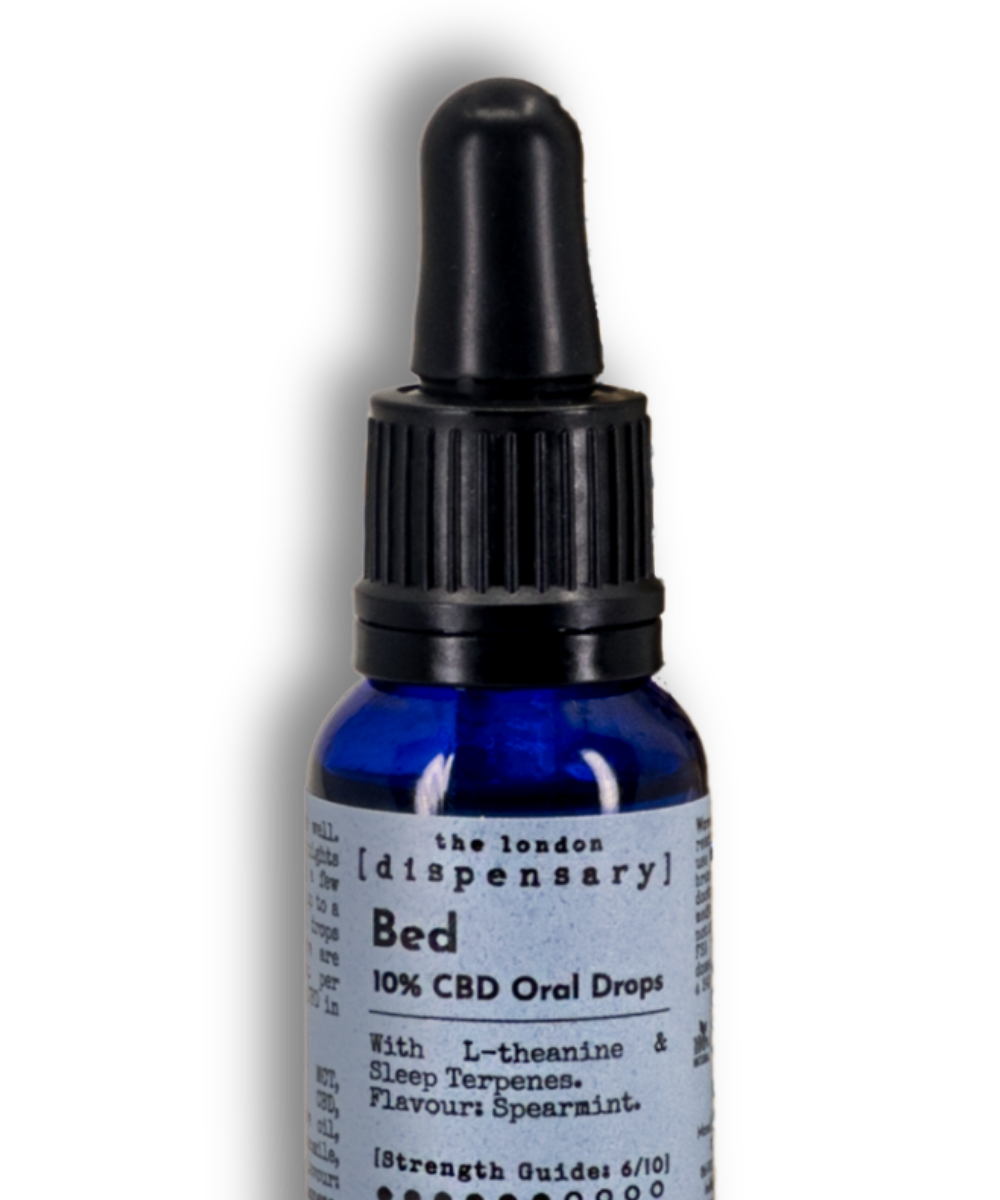
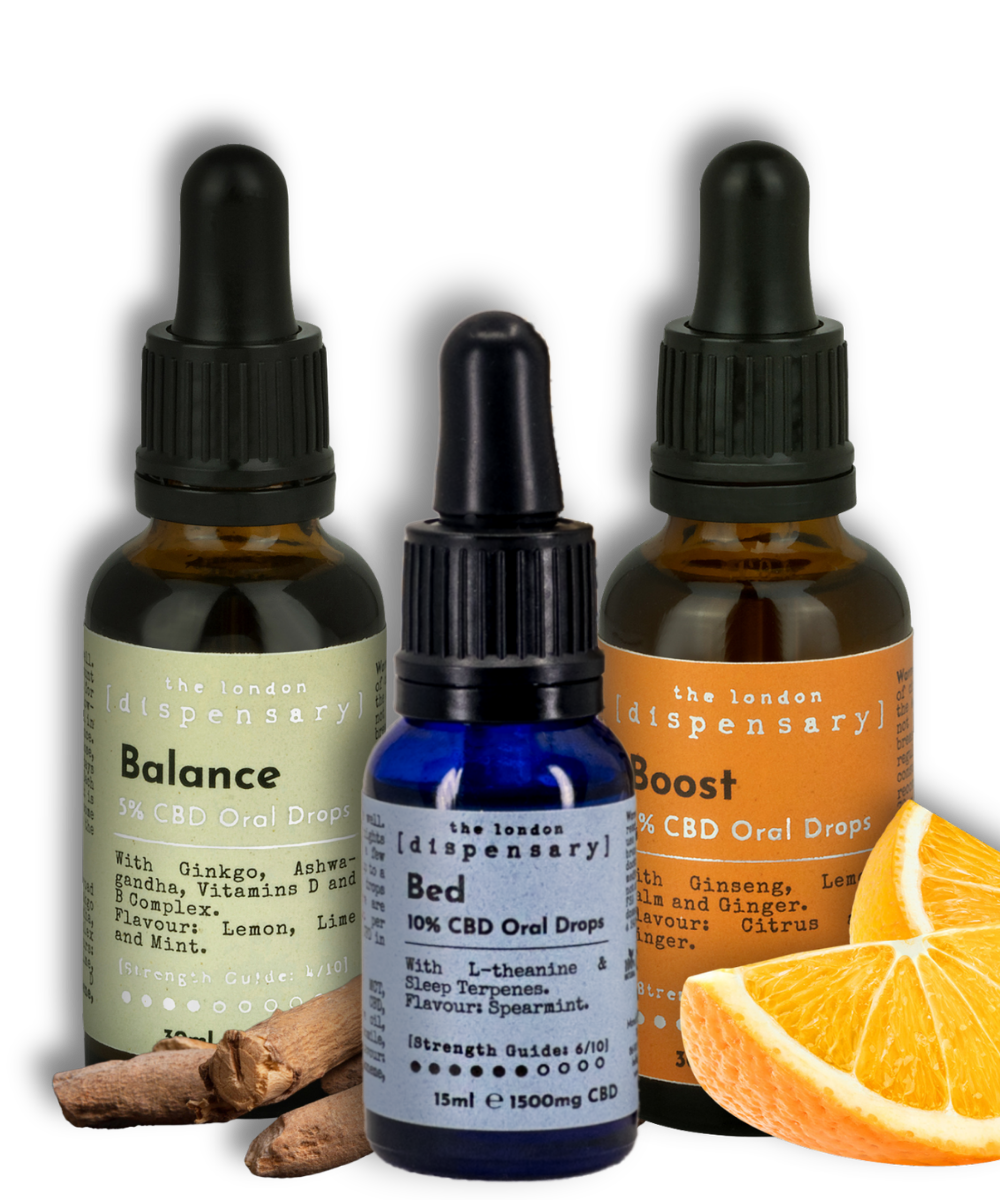
| CBD oil / drops | Ingested according to product directions | Falls within CBD food/supplement safety guidance in the UK; oral evidence cannot be assumed from topical studies |
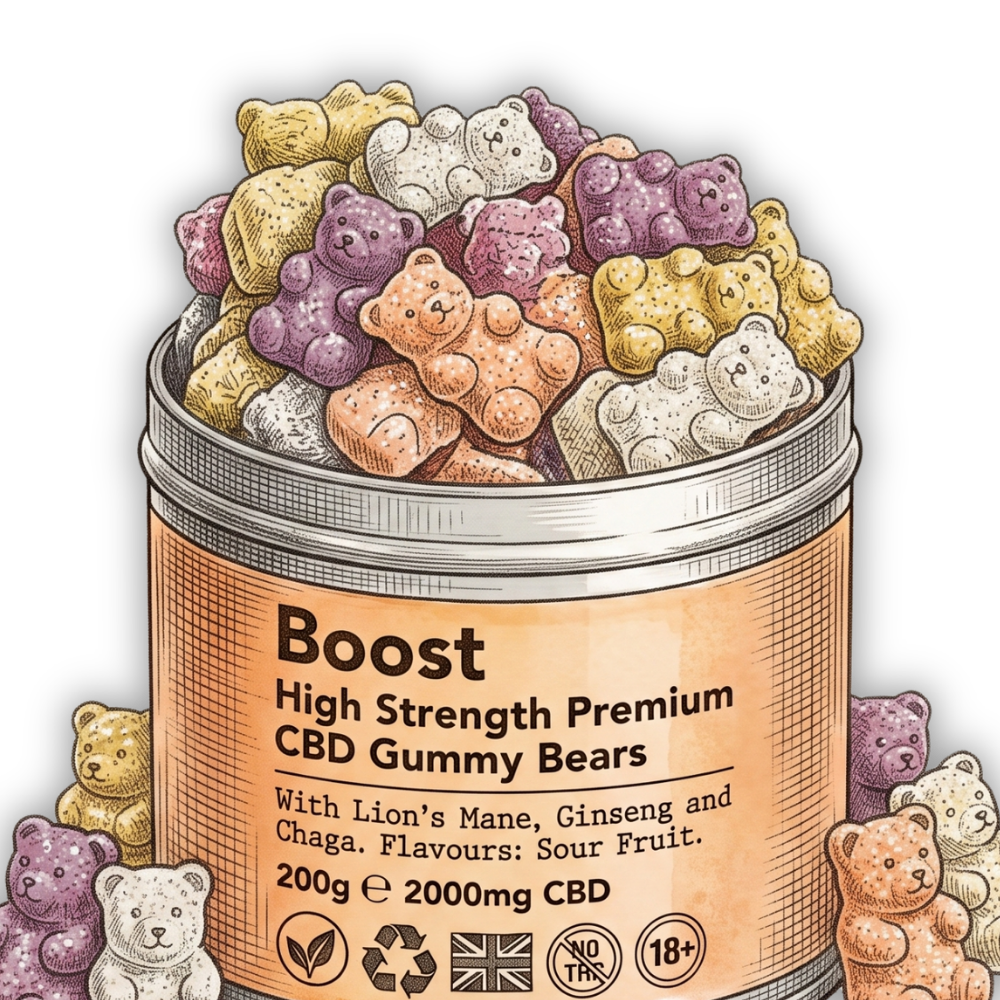
| CBD gummies | Ingested | Also subject to CBD food guidance; not equivalent to a cream or transdermal gel |
If you are specifically comparing textures and external-use formats, read What Are CBD Topicals? CBD Creams & Balms Explained. For topical pain/arthritis research specifically, use the separate CBD Cream for Pain and Arthritis evidence guide.
CBD isolate, broad-spectrum and full-spectrum products
CBD products may use different cannabinoid inputs. CBD isolate is highly purified cannabidiol, while broad-spectrum and full-spectrum extracts can contain additional naturally occurring cannabis constituents depending on the formulation and legal controls. The terms are useful for understanding what a product contains, but they should not be turned into an unsupported arthritis hierarchy. Claims that a full-spectrum or broad-spectrum product is necessarily better for arthritis because of an “entourage effect” go beyond what the current clinical evidence can establish. When comparing products, look at the actual specification and available cannabinoid testing rather than assuming one extract type has proven arthritis benefits.
CBD for arthritis: what about dosage?
There is no established over-the-counter CBD dose for treating arthritis. The Food Standards Agency’s current precautionary advice for CBD in food is that healthy adults should limit CBD intake from food products to 10mg per day. This is a provisional acceptable daily intake for ingestible CBD foods; it is not a dosing instruction for treating arthritis and it is not a topical-cream application limit. The FSA also advises that children, people who are pregnant or breastfeeding, people trying to conceive, people taking medication, and people with certain health conditions should avoid CBD unless under medical direction.
CBD, medicines and interactions
Ingestible CBD can interact with medicines because it can affect enzymes involved in drug metabolism. The practical importance depends on the medicine, CBD exposure and individual circumstances. If you take prescription medicines, particularly for a long-term condition such as arthritis, speak to a GP or pharmacist before adding an ingestible CBD product. Do not stop or change prescribed arthritis medicines because of information in an article about CBD. A topical cosmetic is a different product category from an ingestible CBD food, but people with allergies, sensitive skin, broken skin or concerns about their medication should still check the product directions and seek appropriate professional advice where needed.
Can CBD products claim to treat arthritis in the UK?
An ordinary retail CBD product should not be marketed as an arthritis treatment unless it meets the applicable medicines rules. The MHRA 6 states that products containing CBD used or marketed for medical purposes are medicines. A medicinal product generally requires the relevant marketing authorisation unless a specific exemption applies. For CBD foods, the FSA also states that there are currently no authorised health claims for CBD and that claims to prevent, treat or cure disease are not permitted for food products. For shoppers, the most useful product information is therefore the verifiable detail: formulation, strength, ingredients, directions, testing, size and format — not treatment promises built from early research.
What treatments does the NHS recommend for arthritis?
The appropriate treatment depends on the type of arthritis. For osteoarthritis, the NHS identifies regular exercise and maintaining a healthy weight where appropriate as core treatments, alongside medicines and other support when needed. Topical NSAIDs can be useful for some joints, and capsaicin cream may be considered in some situations. Rheumatoid arthritis is treated differently and can require disease-modifying medicines to reduce inflammation and limit joint damage. Physiotherapy, occupational therapy and other support can also be part of arthritis management. CBD should not replace clinical assessment or prescribed treatment.
If you’re comparing a CBD cream
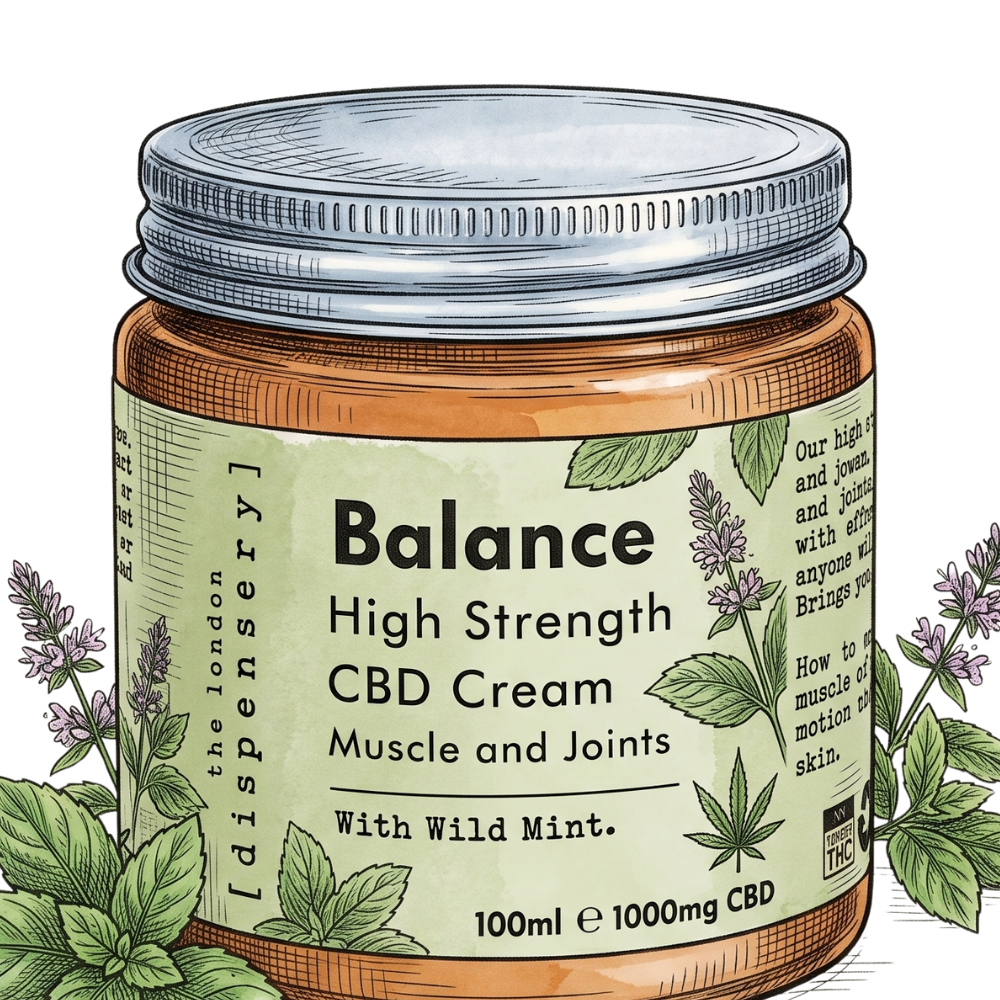
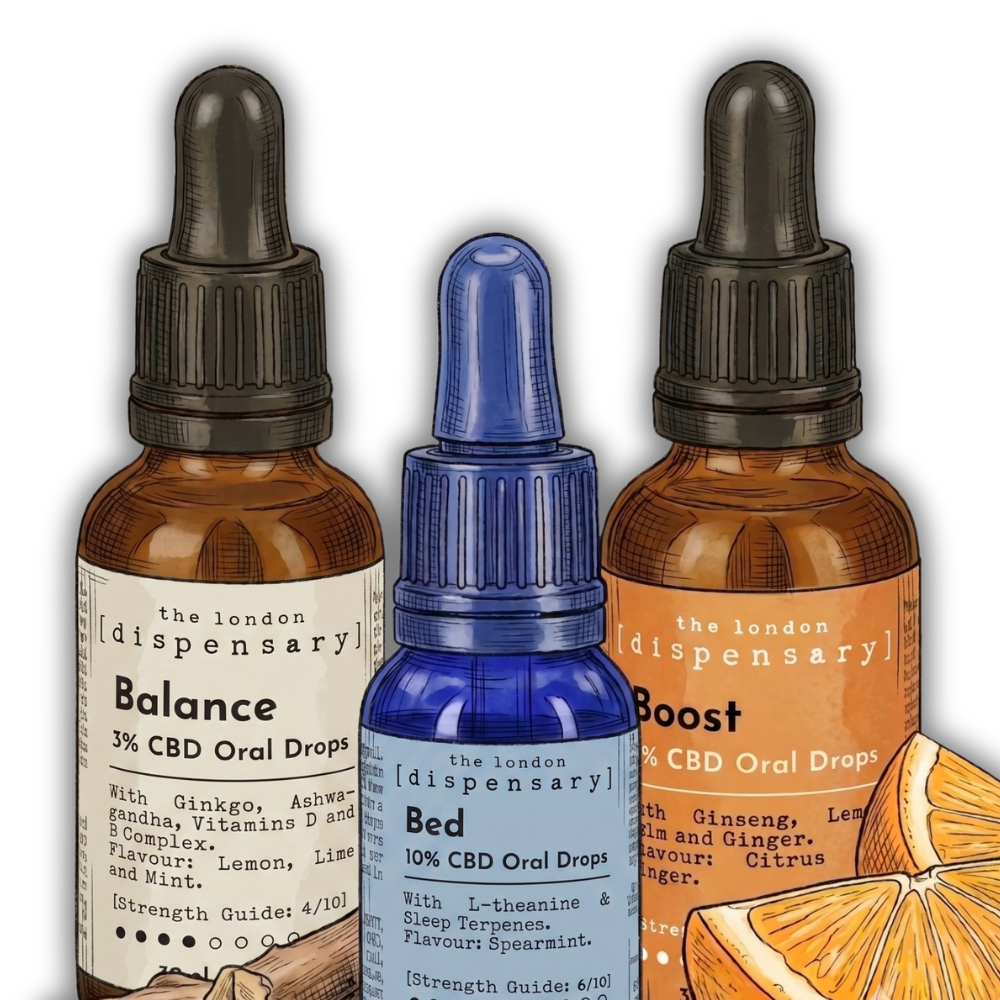
This guide is here to explain the evidence clearly, while keeping product information separate from medical conclusions. For customers who are separately looking for a cream-format cosmetic, our 1000mg CBD cream page contains the exact CBD content, container size, formulation, directions, warnings and testing information. Use the product page when you want the cream’s exact specification; use this guide when you want the broader evidence around CBD and arthritis. Likewise, customers comparing oral formats can browse CBD oils and drops without implying that those products are approved arthritis treatments.

A practical evidence checklist
When you see a claim about CBD and arthritis, ask:
- Was the research done in humans or only in cells/animals?
- Was it randomised and placebo-controlled?
- How many people took part?
- Was CBD used topically, transdermally or orally?
- What exact formulation and concentration were tested?
- Was the condition osteoarthritis, rheumatoid arthritis or something else?
- Is a brand applying the result of one formulation to a completely different retail product?
- Are negative or inconclusive studies being ignored?
That checklist is more useful than treating every mention of “CBD research” as equivalent evidence.
Frequently Asked Questions
Is CBD proven to treat arthritis?
No. Human evidence is developing and does not establish retail CBD products as proven arthritis treatments.
Has topical CBD been studied for arthritis?
Yes. Small studies have tested specific topical or transdermal formulations in hand and thumb osteoarthritis.
What is the current UK CBD daily guidance?
The FSA advises healthy adults to limit CBD from food products to 10mg per day.
Is CBD cream better than CBD oil for arthritis?
There is no simple evidence-based winner; the formats and research routes differ.
Can I stop arthritis medication and use CBD instead?
No. Discuss treatment changes with your GP, pharmacist or specialist.
Can a UK CBD product say it treats arthritis?
Medical-purpose claims can bring a CBD product within medicines regulation.
References and further reading
- NHS: Arthritis
- NHS: Osteoarthritis — treatment and support
- Heineman JT et al. Topical cannabidiol for thumb basal-joint arthritis, 2022
- Bawa Z et al. Transdermal cannabidiol for hand osteoarthritis, 2024
- Vela J et al. Oral CBD in hand osteoarthritis and psoriatic arthritis, 2022
- Food Standards Agency: CBD safety and health claims — June 2026
- GOV.UK / FSA: Cannabidiol guidance — updated August 2026
- MHRA statement on products containing cannabidiol
- NHS: Osteoarthritis — treatment and support. https://www.nhs.uk/conditions/osteoarthritis/treatment/
- NHS: Arthritis. https://www.nhs.uk/conditions/arthritis/
- Heineman JT et al. Topical cannabidiol for thumb basal-joint arthritis, 2022. https://pubmed.ncbi.nlm.nih.gov/35637038/
- Bawa Z et al. Transdermal cannabidiol for hand osteoarthritis, 2024. https://pubmed.ncbi.nlm.nih.gov/38783008/
- Vela J et al. Oral CBD in hand osteoarthritis and psoriatic arthritis, 2022. https://pubmed.ncbi.nlm.nih.gov/34510141/
- MHRA statement on products containing cannabidiol. https://www.gov.uk/government/publications/mhra-statement-on-products-containing-cannabidiol-cbd/mhra-statement-on-products-containing-cannabidiol-cbd