









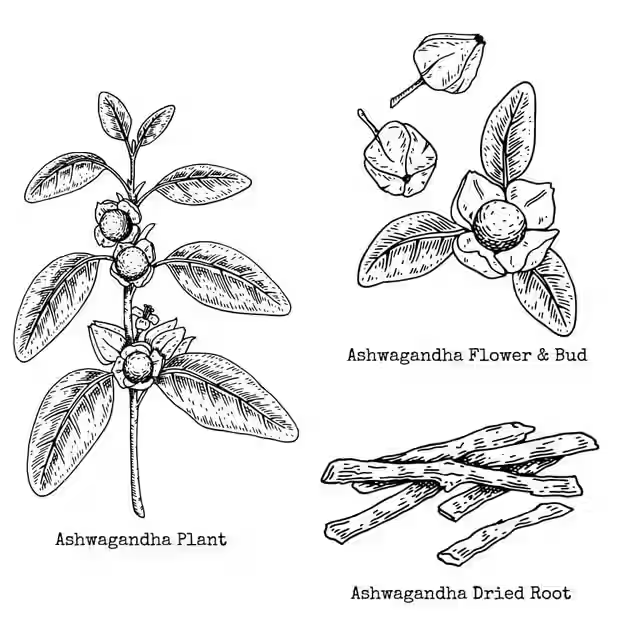
Which are the best Ashwagandha supplements in the UK? For most shoppers, the first choice is the type of supplement: a flavoured gummy, a measured oil, a capsule, a loose powder, a tablet or a tea. Each has advantages and drawbacks, but none is automatically the most effective. The ingredient, plant part, extraction method and clear labelling matter more than the format alone.
This guide compares the six types of Ashwagandha supplement in the original London Dispensary round-up. Rather than claiming we independently tested other companies’ products, we explain what each form is good for practically, what it makes harder to assess and how to check a UK label. We also look at KSM-66 and other extracts, common claims about strength, the research and what the Food Standards Agency has found when testing UK supplements.
Before you buy: Ashwagandha is not suitable for everyone. There is no established universal safe daily intake for UK supplements, and research into long-term safety is limited. If you take medicines, have a relevant health condition or are pregnant or breastfeeding, don’t choose a product on the strength of an online ‘best of’ article. 1
The six best types of Ashwagandha supplement at a glance
| Type | What makes it useful | Main drawback | Check on the label |
|---|---|---|---|
| 1. Ashwagandha gummies | Flavoured, convenient, measured pieces | Extra ingredients and unclear herb-equivalent claims | Extract mg per gummy, sweeteners, other botanicals |
| 2. Ashwagandha oil or drops | Liquid format with an indicated serving | Very different extract and carrier bases | Actual Ashwagandha extract per ml or serving |
| 3. Ashwagandha capsules | Defined serving; extract details often available | Size, shell type and fillers may not suit everyone | Root or leaf, extract mg and standardisation |
| 4. Ashwagandha powder | Versatile in drinks and food | Strong taste; powder versus extract confusion | Whole root powder or extract and serving weight |
| 5. Ashwagandha tablets | Compact, portable, pre-measured | Binding agents and ‘high-strength’ headlines | Actual amount, tablet count, labelling quality |
| 6. Ashwagandha tea | Simple hot-drink preparation and familiar ritual | Uncertain content per brewed cup | Plant part, amount per bag and added herbs |
Our approach: “Best for convenience” or “best for a hot drink” refers to how a format is used, not to a demonstrated health outcome. The table does not award fictional star ratings or imply that we conducted physical product testing. If you want a named-product ranking, it should only be produced from a separately verified product-by-product comparison.
1. Ashwagandha gummies — best for a flavoured, measured format
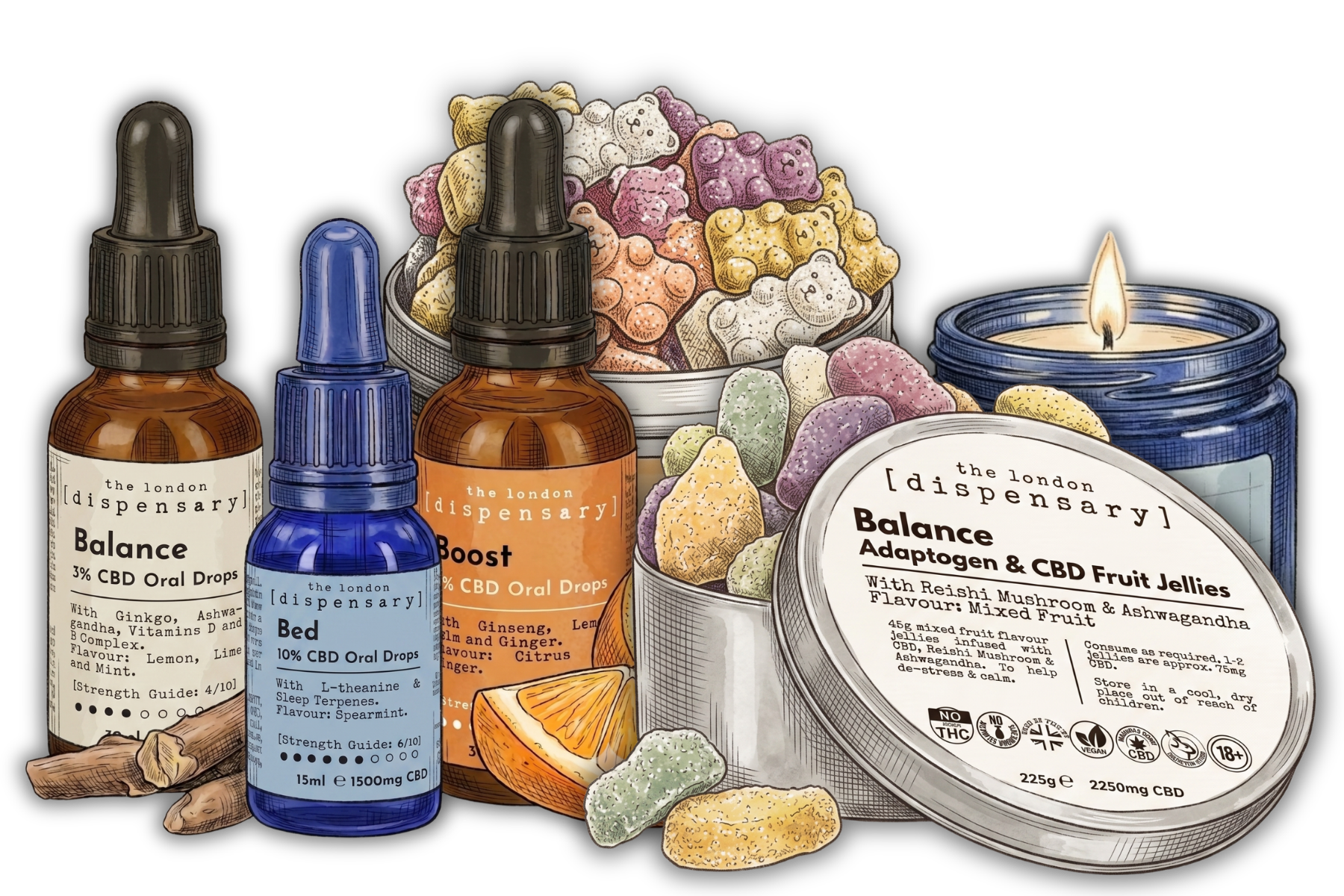
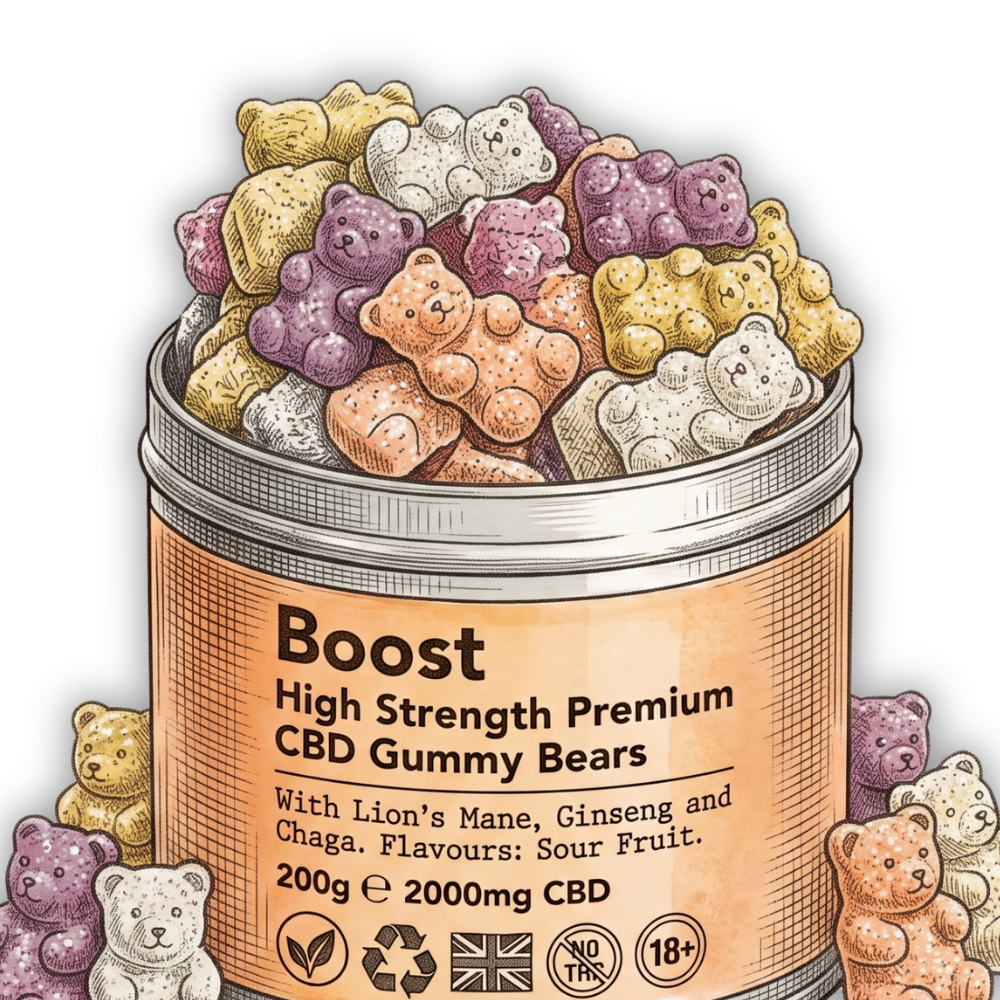
Gummies are popular for an obvious reason: swallowing a sweet, chewable piece feels easier than measuring a bitter powder. If you dislike tablets, the format is attractive, and a pre-defined piece makes the labelled serving easy to understand. A gummy can also combine Ashwagandha with other botanical ingredients, although that introduces another layer of complexity when assessing the formula.
There is a common trap in Ashwagandha gummies UK listings. A large number on the front might refer to the whole pack, a dried-root equivalent or a combined botanical blend rather than the amount of Ashwagandha extract in one gummy. The meaningful figure is the amount of the named ingredient per piece and per recommended serving, not the biggest number on the packaging.
Advantages: measured portions, more approachable flavour, easy to carry and often suitable for people who struggle with capsules. Some are made with pectin rather than gelatine, which matters for vegan shoppers.
Drawbacks: sugar or sweetener content, flavours, possible allergens, cost per serving and the fact that a gummy may contain several active ingredients. Gummies are not inherently more absorbable, faster acting or more effective than capsules; a claim to that effect needs directly relevant evidence.
What to check: look for Withania somnifera, the actual extract or root amount per gummy, the extract’s name if applicable, the complete ingredients list, the recommended serving and batch details. If the product contains CBD, check CBD separately; the evidence and UK rules applying to CBD food products are different.
Our Ashwagandha gummies buyer’s guide explores the format in greater depth. This broader article compares it fairly with the five other choices rather than trying to make gummies win every category.
2. Ashwagandha oil and liquid drops — best for people who prefer a liquid
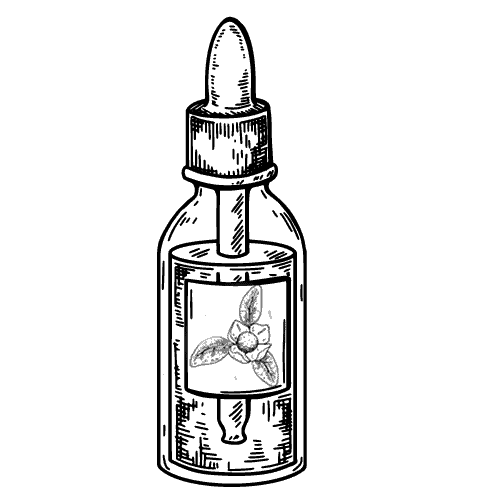
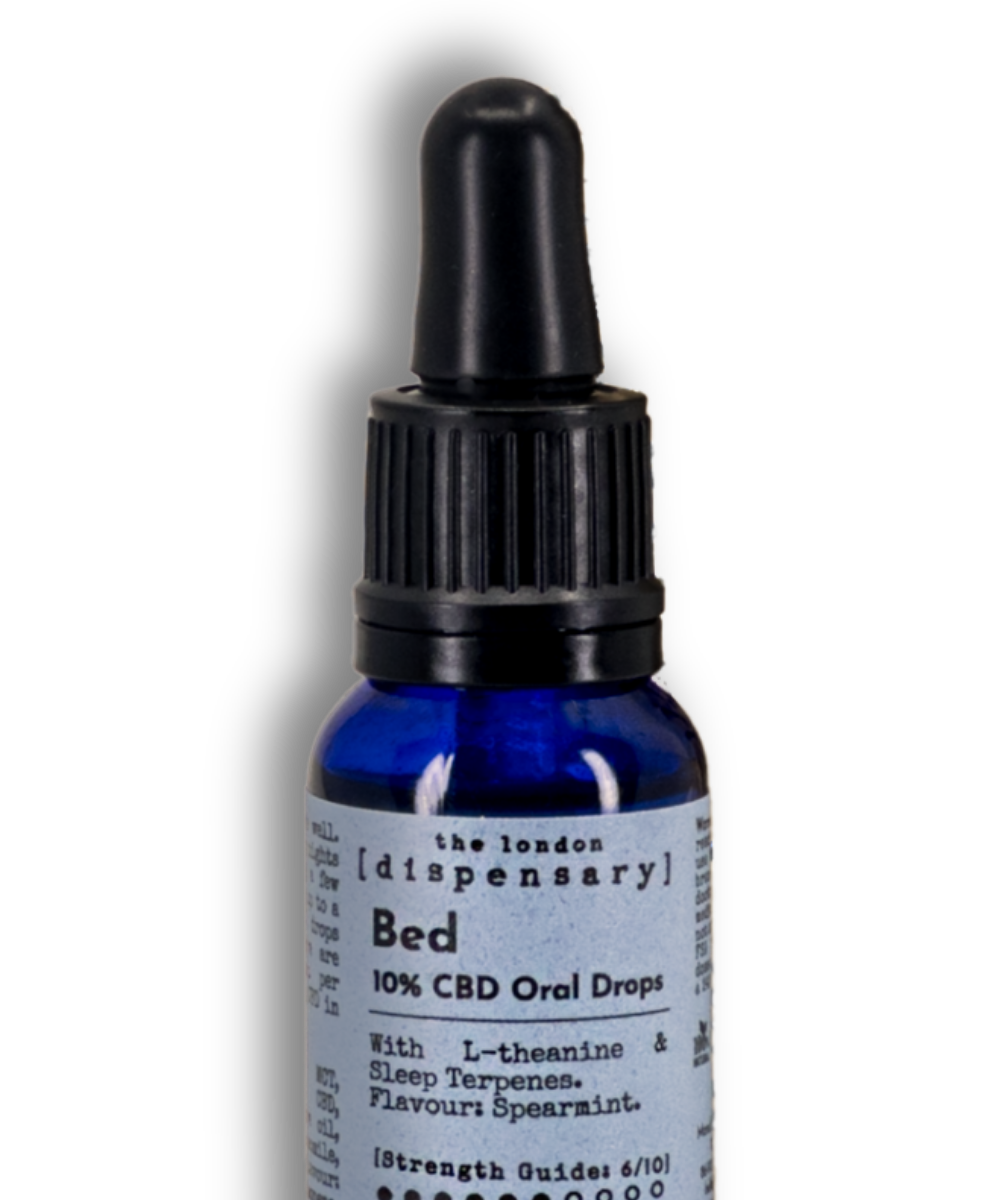
Liquid Ashwagandha preparations are sometimes sold in a carrier oil, as a tincture or as part of a blended botanical oil. Those products are not interchangeable. A tincture may use alcohol or glycerine as its extraction medium; another product may mix a concentrated ingredient into an edible oil. “Ashwagandha oil” is a description of format, not a standardised scientific specification.
The main practical attraction is that some people prefer drops to swallowing capsules. A well-labelled bottle can give a measured serving in millilitres or drops. But drops differ in size, and a product that only states a bottle-level total leaves shoppers struggling to work out what they actually consume.
Advantages: convenient for people comfortable with liquid products, potentially easy to integrate into a routine, and often sold in combination with other extracts or oils.
Drawbacks: sometimes an intense taste, differing carrier ingredients, greater variation in extraction method, measuring errors and ambiguous strength claims. It is particularly important not to assume an oil acts quickly or predictably simply because it is described as “fast absorbing”.
What to check: amount of Ashwagandha extract per stated liquid serving, alcohol or other base ingredients, instructions, declared plant part and whether the product contains additional botanicals or cannabinoids. A concentration written as a percentage only helps if you also understand what the percentage refers to.
For a blended oil, resist a simple “more ingredients equals more benefit” argument. Research on one ingredient cannot automatically be extended to the combined finished product. This is the point at which a transparent formula and a sensible label matter far more than dramatic promises.
3. Ashwagandha capsules — best for a straightforward, clearly specified serving
Capsules are widely used in supplement studies and commercial products, so they are often the easiest format for comparing ingredient declarations. You can see whether the product contains powdered root or a named extract, and how much is supplied in the recommended serving. The capsule itself is just a delivery format; it does not guarantee the enclosed ingredient matches a particular clinical trial.
Some capsules contain an extract standardised for withanolides. Others contain dried root powder without a stated level of those compounds. Neither description is automatically a quality verdict. The key is to compare comparable materials, because 500 mg of an extract cannot be ranked against 500 mg of raw powder without further information.
Advantages: a clearly stated serving, no flavour, little measuring and often room for detailed specification on the package. There are vegan capsule shells, including cellulose-based options, although ingredients should be checked rather than assumed.
Drawbacks: capsule size, possible fillers, shell ingredients and the risk that consumers judge quality using an impressive milligram figure or patented trademark alone. A brand can use a well-known extract and still provide limited information about the actual finished product.
What to check: scientific name, root versus leaf, extract amount, standardisation, excipients, serving count, responsible UK business and—where made available—a batch-specific certificate of analysis. The product should also display appropriate use and safety information, not only selling points.
If you’re comparing Ashwagandha capsules versus gummies, don’t assume capsules are intrinsically better. A transparent gummy with a properly described ingredient could be easier to assess than a capsule with a vague proprietary blend. Format preference comes after ingredient identity and safety.
4. Ashwagandha powder — best for versatility in drinks and food
Loose Ashwagandha powder appeals to people who prefer adding botanical ingredients to a drink or food. But the word “powder” can mean two quite different things: dried, milled root or a powdered extract made through a separate manufacturing process. One is not simply a more potent version of the other. Always read the ingredient description.
Whole-root powder is usually associated with a strong, earthy and sometimes bitter flavour. That matters more in everyday use than many supplement comparisons admit. If you don’t enjoy the taste, the convenience advantage quickly disappears. Measuring the serving accurately matters too: different scoop sizes and powder densities make casual spoonfuls unreliable.
Advantages: flexible use, minimal format-specific ingredients in single-component products, and potentially good value when compared on a like-for-like basis.
Drawbacks: flavour, storage, measuring, possible moisture exposure and the temptation to compare raw-powder grams with concentrated-extract milligrams as though they are equivalent. An inexpensive bag is not necessarily good value if it lacks basic botanical and quality information.
What to check: whether the material is root or another plant part, whether it is raw powder or extract, net weight, declared serving, origin, suitable storage instructions and contaminant testing. Because powders are often sold in larger packs, check whether a batch number and manufacturer details are supplied.
The 2025/26 Food Standards Agency surveillance included Ashwagandha powders among the formats tested; issues observed in its targeted sample included high aflatoxin results in some powders. That doesn’t establish that most UK powders are unsafe, but it makes transparent sourcing and testing more than a cosmetic selling point. 2
5. Ashwagandha tablets — best for compact, pre-measured convenience
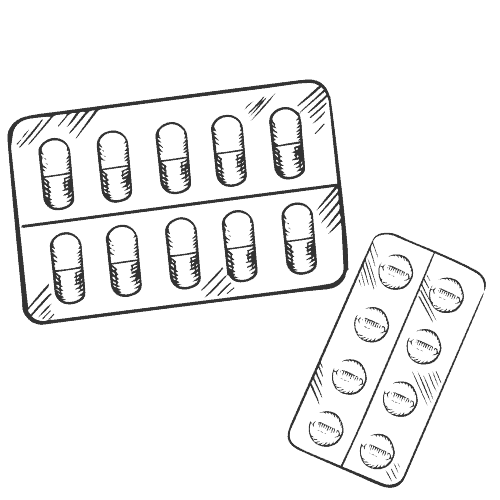
Tablets share several advantages with capsules: a labelled serving and no need to weigh loose powder. The main difference is construction. Tablets are compressed, and may contain binders, coating ingredients or other excipients, whereas capsules hold material in a shell. That does not establish that either format delivers better Ashwagandha outcomes.
You’ll often see Ashwagandha tablets UK listings advertised as “high strength”, sometimes accompanied by a dramatic root-equivalent claim. Take the back-of-pack ingredient figure seriously. A tableted product might contain a modest amount of concentrated extract even when its headline resembles the weight of several grams of dried root.
Advantages: compact packaging, a consistent stated serving, portability and relatively straightforward comparison of the number of units in a pack.
Drawbacks: some tablets are hard to swallow, coatings or excipients may not suit everyone, and large strength labels may obscure whether they refer to extract weight or herb equivalent. A ‘one tablet a day’ promise also tells you nothing about the suitability of the ingredient for your health circumstances.
What to check: actual Ashwagandha per tablet, whether it is extract or dried plant, any other active ingredients, pack count and directions. If a seller claims one tablet is equivalent to several thousand milligrams of root, check what extraction ratio is used to justify that number.
For value, compare cost per declared serving of comparable material, not only price per tablet. A packet with 180 tablets may look cheaper than a packet of 60, but the extract specifications, actual serving instructions and ingredient quality could be different.
6. Ashwagandha tea — best for an uncomplicated hot-drink ritual
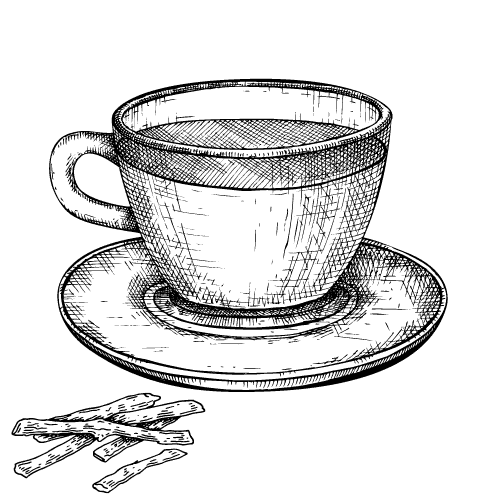
Ashwagandha tea or Withania tea is the most different option in this list. Rather than consuming a measured extract in a gummy or capsule, you prepare an infusion from plant material, sometimes blended with spices or other herbs. There is a long history of traditional preparation, but that should not be confused with evidence that a cup reliably changes stress, sleep or hormone levels.
How much material reaches the drink depends on the plant part, preparation method, amount of water, temperature and infusion time. A tea-bag weight tells you the amount of dry plant used, not exactly which compounds are present in the finished cup. This makes direct comparisons with standardised extracts difficult.
Advantages: familiar hot-drink format, simple preparation and the opportunity to make a pleasant ritual out of a beverage. Some blends may taste more appealing than plain root, although the complete herb list matters for safety.
Drawbacks: uncertain extracted composition per cup, a potentially bitter flavour and little direct high-quality human evidence using the same preparation. Multiple-herb teas can also create interaction questions, so ‘natural tea’ should not be understood as ‘risk free’.
What to check: botanical identity, root or leaf, dry weight, preparation instructions, added spices or herbs and any safety warnings. Avoid claims that tea is automatically weaker, safer or more effective without actual compositional evidence.
The UK novel-food assessment of Ashwagandha distinguishes non-concentrated aqueous infusions of root from many other food uses. That legal context does not amount to a blanket approval of every modern drink, concentrated extract or formulated food containing Ashwagandha; see the regulatory section below.
How to choose between Ashwagandha gummies, capsules, tablets and powder
If you are mostly deciding between the common supplement formats, begin with three questions: can you identify the exact Ashwagandha ingredient, can you calculate how much it supplies per serving, and does its format fit your preferences? You can then examine whether the manufacturer makes enough information available to judge quality.
For Ashwagandha gummies versus capsules, the clearest trade-offs are taste, additives, ease of use and amount per piece. For capsules versus powder, they are pre-measured convenience versus flexibility and the accuracy of the serving. Tablets versus capsules usually comes down to swallowability and excipients rather than a scientifically proven difference in effect.
For tea versus oil, compare the actual botanical material and manufacturing method before trying to rank formats. There is no single fair “strongest Ashwagandha supplement” answer if one label describes dried root, another describes extract and a third describes a blend of several different plants.
What is KSM-66 Ashwagandha, and how does it compare with other extracts?
KSM-66 is a branded Ashwagandha root extract used in some clinical studies and UK products. Other named extracts include Sensoril and Shoden; these can use different raw materials, processing techniques and standardisation approaches. A study using one extract is not automatically evidence for another.
There is a distinction between saying an extract has been studied and saying it is the best. An ingredient may have more published studies than another without there being a direct head-to-head comparison proving superiority. Likewise, a more concentrated withanolide percentage is not evidence that a product is more effective for everyone.
Withanolides are a family of compounds found in Ashwagandha, and standardisation provides one measure of manufacturing consistency. It does not describe every active substance, and it cannot replace verification of the species and plant part. Root-only versus root-and-leaf is particularly important when comparing studies and reading claims about branded extracts. 3
Do not use the number of milligrams alone as a proxy for quality. Different extracts contain different mixtures of compounds. A lower weight of concentrated extract can be chemically different from a larger weight of milled root; the figures should not be combined or directly ranked without standardisation and test data.
Does ‘3,000 mg Ashwagandha’ mean the product contains 3,000 mg of extract?
Not necessarily. Some labels advertise a dried-herb equivalent. For example, a hypothetical 12:1 extract label could describe 250 mg of extract as equivalent to 3,000 mg of starting plant material. That multiplication tells you what the manufacturer means by equivalent; it does not mean the capsule physically contains 3,000 mg of extract, nor that the extract has a proven clinical effect.
When comparing labels, look for the actual extract weight and the standardisation in addition to any herb-equivalent claim. If the label only promotes the large headline number, you may be unable to establish what you are buying. That is a valid reason to ask the seller for a specification rather than treating it as the strongest choice.
Similarly, a claim such as “10% withanolides” is only useful in context. Which analytical method was used? Does it describe the actual extract or a claimed raw-herb equivalence? Is there a relevant batch test? Neither a high percentage nor a patent name proves that the finished gummy or capsule has been studied for the effect implied by its marketing.
What a 2026 FSA survey found about UK Ashwagandha supplements
There is a practical reason to pay close attention to labels. In its 2025/26 targeted retail surveillance, the Food Standards Agency examined 40 Ashwagandha supplements sold through various outlets. 34 of the 40 did not meet all the assessed criteria; 33 had labelling issues. Two samples exceeded the applicable maximum cadmium level, and three had high aflatoxin findings against relevant comparison levels. 2
These figures need an important qualification. The sampling was targeted at areas of perceived risk and was not designed to represent the entire UK supplement market. It would therefore be wrong to say “85% of Ashwagandha supplements in the UK are unsafe”. Some products failed because of labelling; contaminant failures were a separate subset. The report’s appropriate lesson is to demand clearer provenance, accurate labels and suitable testing—not to sensationalise the numbers.
For a shopper, the sensible checks are straightforward: is the ingredient correctly named, is the amount clear, is there a responsible business address, is the serving intelligible, are relevant warnings present and can the seller explain their quality controls? An attractive tub and a high review score do not answer those questions.
Is Ashwagandha legal in the UK in 2026?
The short answer is that Ashwagandha is not subject to a blanket ban in UK food supplements, but the rules depend on how it is used and what kind of food product contains it. The FSA’s novel-food position distinguishes plant-part use in supplements from other food categories, and also identifies a history of non-concentrated root infusions. These distinctions matter for teas, extracts and newer edible products, particularly if a business is formulating something beyond a conventional food supplement.
The FSA issued a call for evidence in 2024 because of safety questions and published a summary of responses on 25 June 2026. The information was to inform further assessment and possible risk-management advice. At that point there was no universal UK safe level set for Ashwagandha in food supplements, so a website should not invent a standard “safe dose”. 4
The second issue is advertising. UK rules restrict health claims for food supplements. In a 2024 ruling concerning Ashwagandha KSM-66 gummies, the ASA upheld complaints about unapproved health and implied disease-treatment claims. A clinical paper is not itself permission for a retailer to promise that its supplement treats stress, anxiety, fatigue or poor sleep. 5
How much Ashwagandha should I take, and when should I take it?
Many online guides quote trial amounts as though they are universally recommended doses. They are not. Studies have used different extracts and serving schedules, and any measured response belongs to that specific investigation. The NIH’s Office of Dietary Supplements notes the difficulty of developing general recommendations because preparations and amounts vary so much. 3
If you are evaluating a product, start with its clearly stated label directions and whether the ingredient is suitable for you—not with an attempt to match the largest clinical-study dose. There is no established UK upper limit that applies safely to every supplement and every individual. Speak to a suitable healthcare professional where medicines, pregnancy, breastfeeding, chronic health conditions or concerns about side effects are involved.
Morning versus evening? There is no single scientifically established time of day that makes Ashwagandha most effective. Retailers often position blends for daytime calm or night-time routines, but those are marketing descriptions. Timing, tolerability and any potential drowsiness have to be considered without claiming that a supplement can act as a sleeping medicine.
How long does it take to work? A trial that measured outcomes after several weeks is not a promise that a consumer will notice a particular effect after that period. Human studies have been mostly short, and there is limited evidence about long-term use. If a product makes you feel unwell, do not increase your serving in the hope of a more noticeable result.
Ashwagandha side effects and who should avoid it
Possible unwanted effects include drowsiness, digestive upset, nausea and diarrhoea. There have also been uncommon reports of liver injury. Ashwagandha can be inappropriate for people with thyroid or autoimmune conditions and may interact with diabetes medicines, blood-pressure treatments, immunosuppressants, sedatives, anticonvulsants and thyroid medicines. Pregnancy and breastfeeding are important reasons to avoid it. 1
A product promoted as “natural stress relief” does not remove these risks. In fact, extra ingredients in a botanical blend can add further questions. If you have symptoms, take regular medication or are unsure whether a supplement is suitable, ask a pharmacist or clinician before considering it.
Be cautious of social media before-and-after stories and broad customer testimonials. A review may say someone enjoyed the flavour or found the packaging convenient; it cannot establish that a product treats a condition. For a research-focused account rather than a buying guide, see our five Ashwagandha benefits explained through the evidence.
Where can you buy Ashwagandha supplements in the UK?
You can encounter Ashwagandha through supplement specialists, pharmacies, online retailers and multi-ingredient botanical products. Whichever route you use, look for a business that can explain the formulation, provide required food information and respond to ingredient-specific questions. A seller is more credible when its claims are appropriately restrained than when every product promises an extraordinary result.
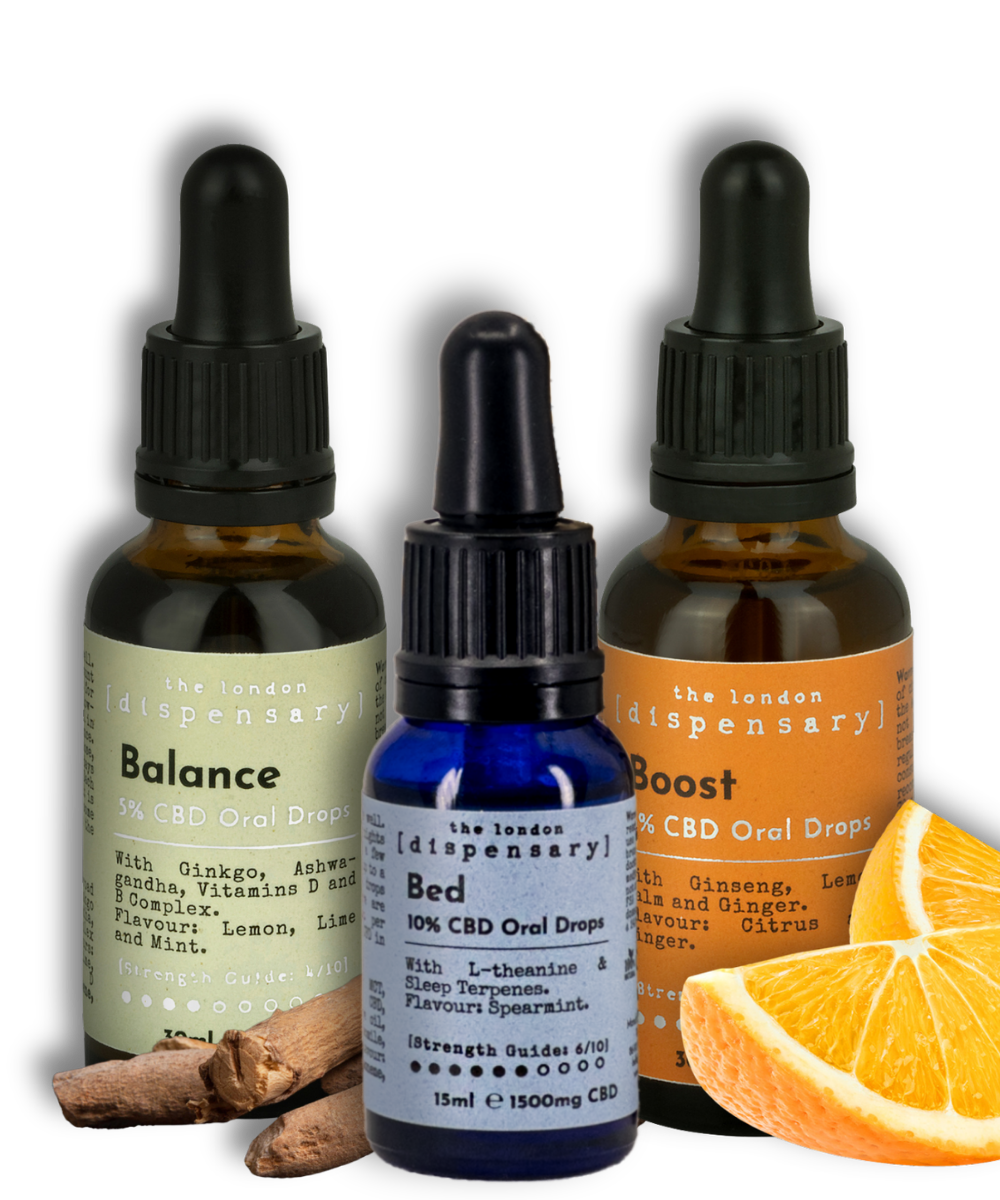
The London Dispensary also has botanical blends containing Ashwagandha. If you are exploring our product range, check the declared ingredients and format on the relevant product page, rather than assuming all blends contain the same amount or offer the same effect. The Nootropics & Adaptogens collection provides a route to those ingredients and formats.
For a more focused comparison of the gummy format, consult the dedicated guide linked above. Keep the distinction clear: this article is the six-type UK buyer’s guide, not a claim that every ingredient combination is more effective than a single-ingredient supplement.
How to make the final choice
There is no need to guess which supplement is “the strongest”. Choose the format you’ll actually find practical, verify the exact ingredient, make sense of the amount per serving and scrutinise testing and safety information. Ashwagandha gummies are convenient, capsules and tablets offer straightforward measuring, powder is flexible, liquids appeal to people who dislike swallowing solids and tea is a separate traditional preparation with its own limitations.
A useful Ashwagandha listicle should make those trade-offs clear. The answer is not a universal winner. It is enough reliable information to distinguish a genuinely transparent product from an impressive-looking label.
Frequently Asked Questions
What are the best types of Ashwagandha supplements in the UK?
The six common formats are gummies, liquid drops, capsules, powder, tablets and tea. No format is universally most effective; compare its actual ingredient, label quality, suitability and safety.
Are Ashwagandha gummies better than capsules?
Gummies are easier for some people to take, whereas capsules may offer simpler ingredient labels. Neither delivery format is inherently proven to produce better outcomes.
What is the difference between KSM-66 and regular Ashwagandha?
KSM-66 is a named standardised root extract; other products may contain whole root powder or different extracts. These are not directly interchangeable by milligram weight, and a trademark is not proof that a finished product is superior.
Is Ashwagandha legal to buy in the UK?
Ashwagandha is not subject to a blanket UK food-supplement ban, but legal requirements differ by product and food use. Check the FSA's current novel-food and safety guidance.
What do Ashwagandha extract ratios such as 12:1 mean?
An extraction ratio describes a relationship between starting plant material and the produced extract. It does not mean the capsule contains the full herb-equivalent weight, or that it is clinically more effective.
How long does Ashwagandha take to work?
Human trials use different extracts, outcomes and durations; there is no reliable timeframe that applies to every consumer or retail supplement.
Can Ashwagandha have side effects or interact with medication?
Yes. Potential side effects include drowsiness and digestive problems; rare liver injury has been reported. People taking regular medicines or with particular conditions should seek medical advice before considering it.
- US National Center for Complementary and Integrative Health. Ashwagandha: Usefulness and Safety. https://www.nccih.nih.gov/health/ashwagandha
- Food Standards Agency, Scarrett, Cooke & Bachelor (2026). Retail Surveillance Survey Sampling Programme 2025/26, section 4.1.2. https://science.food.gov.uk/article/162217-retail-surveillance-survey-sampling-programme-2025-26
- NIH Office of Dietary Supplements. Ashwagandha: Health Professional Fact Sheet. https://ods.od.nih.gov/factsheets/Ashwagandha-HealthProfessional/
- Food Standards Agency (25 June 2026). Summary of Responses to Call for Evidence on Ashwagandha. https://www.gov.uk/government/consultations/summary-of-responses-to-call-for-evidence-on-ashwagandha/summary-of-responses-to-call-for-evidence-on-ashwagandha
- Advertising Standards Authority (24 July 2024). Nutriburst Ltd: Ashwagandha KSM-66 health claims ruling. https://www.asa.org.uk/rulings/nutriburst-ltd-a24-1239907-nutriburst-ltd.html