











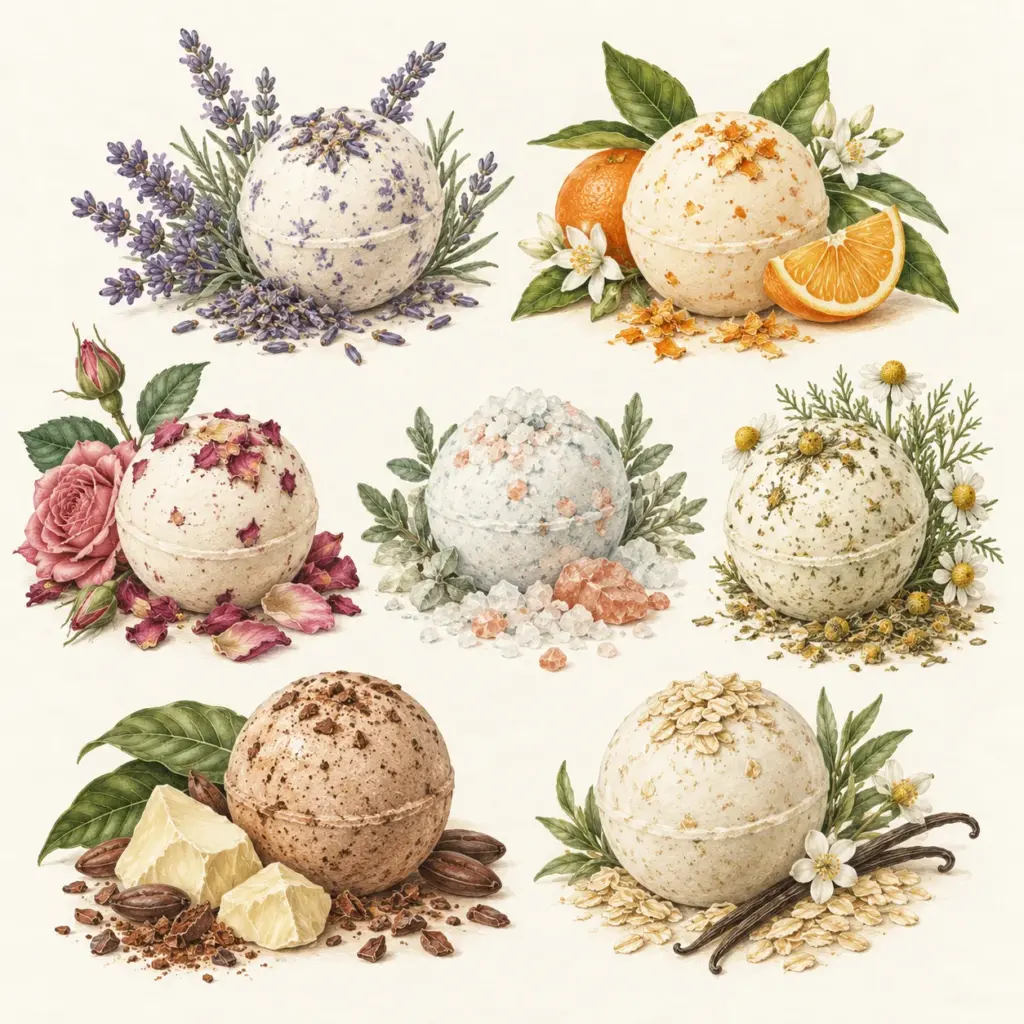
There is more than one type of bath bomb. The familiar round fizzer is only the starting point. Bath bombs can be designed around essential oils, plant butters, mineral salts, CBD, different fillers, colours, shapes and even hidden surprises.
The useful way to think about them is not as seven completely separate products, though. The categories overlap. One bath bomb can be an aromatherapy bath bomb, an oil-and-butter bath bomb, an Epsom-salt bath bomb, a starch-free bath bomb and a CBD bath bomb at the same time.
That matters because a label such as “luxury”, “natural” or “aromatherapy” tells you very little on its own. The ingredient list and finished formulation tell you much more.
This guide breaks down seven common types of bath bombs, what actually makes each type different, and which kind may suit the bath experience you want.
7 Types of Bath Bombs at a Glance
| Type | What defines it | Best for |
|---|---|---|
| 1. Classic fizzing bath bomb | Citric acid + sodium bicarbonate with fragrance and/or colour | Simple fizz, scent and colour |
| 2. Aromatherapy bath bomb | Essential oils or botanical aromatic ingredients | Choosing a bath by fragrance profile |
| 3. Oil-and-butter bath bomb | Carrier oils and plant butters built into the formula | A richer, more conditioned bath-water feel |
| 4. Mineral / Epsom-salt bath bomb | Magnesium sulphate or other mineral salts | A mineral-bath format rather than a plain fizzer |
| 5. Starch-free bath bomb | No cornstarch or other starch filler | People interested in simpler formulation architecture |
| 6. CBD bath bomb | CBD is included as part of the formulation | People specifically looking for a CBD-containing bath format |
| 7. Visual / novelty bath bomb | Colour effects, shapes, glitter, embeds or surprises | Gifting, visual effect and playful bathing |
Retail and maker guides commonly divide bath bombs by shape, ingredients, scent and experience rather than treating them as one uniform product. Shopify, for example, distinguishes classic ball bath bombs from more novelty-led formats, while Lush describes a common bicarbonate-and-citric-acid base that can then be adapted with fragrance, colour and other additions.12
1. Classic Fizzing Bath Bombs
The classic bath bomb is the version most people picture first: a compressed sphere or shaped fizzer built around sodium bicarbonate and citric acid.
Once water reaches those ingredients, they react and produce carbon dioxide bubbles. That reaction is what creates the fizz and causes the product to break apart.
A classic bomb may also contain fragrance, colour, oil or decorative ingredients, but the formula is usually centred on the fizzing experience itself.
This type works well if what you mainly want is:
- visible fizz;
- colour in the bath water;
- a pleasant fragrance; and
- a straightforward single-use bath product.
There is nothing wrong with a simple formula. The important point is that a classic fizzer and a richer oil-and-butter formulation should not automatically be treated as the same product simply because both are called bath bombs.
2. Aromatherapy and Essential-Oil Bath Bombs
An aromatherapy bath bomb is built around its aromatic ingredients — usually essential oils, botanical fragrance materials or a blend of both.
Lavender, Sweet Orange, Grapefruit, Eucalyptus, Peppermint and Ylang Ylang are all familiar examples because they give the bath a recognisable scent profile.
The strongest reason to choose this type is therefore fragrance preference.
You might prefer:
- Lavender for a softer, floral-herbal evening bath;
- Sweet Orange or Grapefruit for a brighter citrus profile;
- Eucalyptus or Peppermint for a fresher botanical scent; or
- Ylang Ylang for a richer floral fragrance.
There is genuine research around aromatherapy and individual essential oils, but that does not make every essential-oil bath bomb a treatment for anxiety, insomnia, low mood or another condition.
We think fragrance-led language is more useful anyway. If you are buying a bath product, knowing whether it smells floral, citrus, herbal, minty or woody tells you something immediate about whether you will enjoy using it.

MYTH BUSTER
3. Moisturising Oil-and-Butter Bath Bombs
This is one of the biggest formulation differences between bath bombs.
Some bath bombs are mostly fizz, fragrance and colour. Others contain a much broader emollient base made with ingredients such as:
- Coconut Oil;
- Shea Butter;
- Cocoa Butter;
- Avocado Oil;
- Olive Oil;
- Argan Oil;
- Rosehip Oil; or
- other carrier oils and butters.
These ingredients can change the feel of the bath water and may leave skin feeling softer or more conditioned afterwards.
They still should not be confused with a leave-on moisturiser. An oil or butter dispersed into an entire bath is being used very differently from a cream or body balm applied directly to the skin.
But if you dislike very “dry” novelty fizzers, an oil-and-butter formula may give you a noticeably richer bathing experience.
This is one of the reasons ingredient lists matter. Two bath bombs can look nearly identical while containing very different amounts of emollient material.
4. Mineral and Epsom-Salt Bath Bombs
Mineral bath bombs add salts such as magnesium sulphate — Epsom salt to the standard fizzing base.
This gives them a different formulation from a plain citric-acid-and-bicarbonate bomb and connects them more closely with traditional mineral bathing products.
However, the presence of Epsom salt is often where marketing becomes exaggerated.
Magnesium sulphate contains magnesium, but evidence does not establish that ordinary bathing reliably delivers a clinically meaningful systemic magnesium dose through the skin. A mineral bath can still be enjoyable without being treated as a replacement for medically indicated magnesium supplementation or treatment.
So we would choose an Epsom-salt bath bomb because we like the complete mineral-bath formulation — not because somebody has promised that the bath water is functioning like a transdermal medicine.
5. Starch-Free Bath Bombs
Cornstarch is used in some bath-bomb formulas as a dry filler and can alter how quickly or vigorously a bath bomb dissolves.
It is not essential to the fizz itself. The key reaction still comes from citric acid and sodium bicarbonate.
A starch-free bath bomb is simply one formulated without cornstarch or another starch filler.
That does not automatically make the product medically “safer”, and we would not claim that starch itself causes yeast infections or other health problems. Current evidence does not support that blanket statement.
The more defensible reason to care about starch-free formulation is transparency: if a brand chooses not to use starch, it should be able to explain what the rest of the formula contains and how the product is structured instead.
Our own bath bombs are deliberately made without starch and use a broad oil-and-butter formulation alongside the fizzing base, Epsom salt and fragrance.
We explore the formulation science separately in our guide to what cornstarch does in bath bombs.
6. CBD Bath Bombs
A CBD bath bomb is exactly what the name suggests: a bath bomb with CBD included as part of the formula.
The important question is what that label means in practice.
If a product contains 100mg CBD isolate, that figure tells you how much CBD was used in the bath bomb. It does not mean that 100mg is absorbed through your skin while you soak.
CBD bath bombs should therefore still be compared as complete bath products:
- What is the total bath-bomb weight?
- What type and amount of CBD is used?
- What fragrance does it use?
- Does it contain mineral salts?
- What oils or butters are in the formula?
- Does it contain starch?
- What are the ingredient and allergen declarations?
A CBD label does not replace the rest of the formulation.
Our own bath bombs contain 100mg CBD isolate in a 160g single-use bath bomb. We show that as a product specification rather than presenting the bath as a systemic CBD-delivery method.
7. Visual, Novelty and Surprise Bath Bombs
Not every bath bomb is designed around skincare or botanical formulation. Some are primarily about what happens when they hit the water.
This group includes bath bombs with:
- strong colour changes;
- multiple colour layers;
- glitter or shimmer;
- unusual shapes;
- hidden embeds;
- small gifts or surprises; or
- highly decorative designs.
Shopify’s bath-bomb taxonomy includes novelty formats such as jewellery bath bombs, while specialist makers often use shapes, embeds and colour effects as the main differentiator.3
These can be excellent gifts and a lot of fun. They are simply solving a different customer need from an ingredient-led botanical bath bomb.
If you have sensitive skin, it is also worth remembering that more colour, fragrance, glitter or decorative material means more ingredients to check. Cleveland Clinic and WebMD both note that fragrance, dyes and other additives can trigger irritation in some users.45
These Types Are Not Mutually Exclusive
This is probably the most important point in the whole guide.
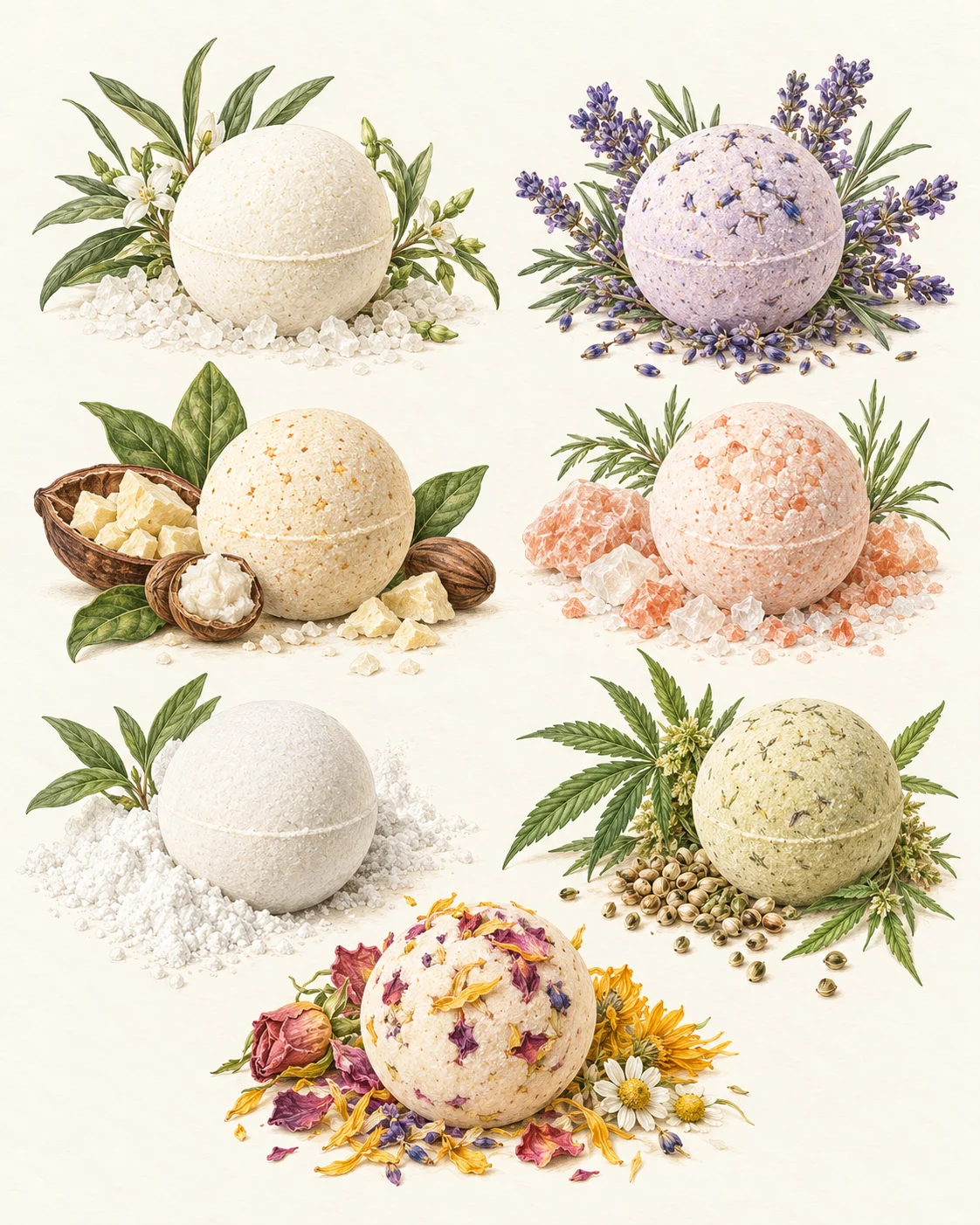
Bath-bomb categories overlap. A single product can belong to several at once.
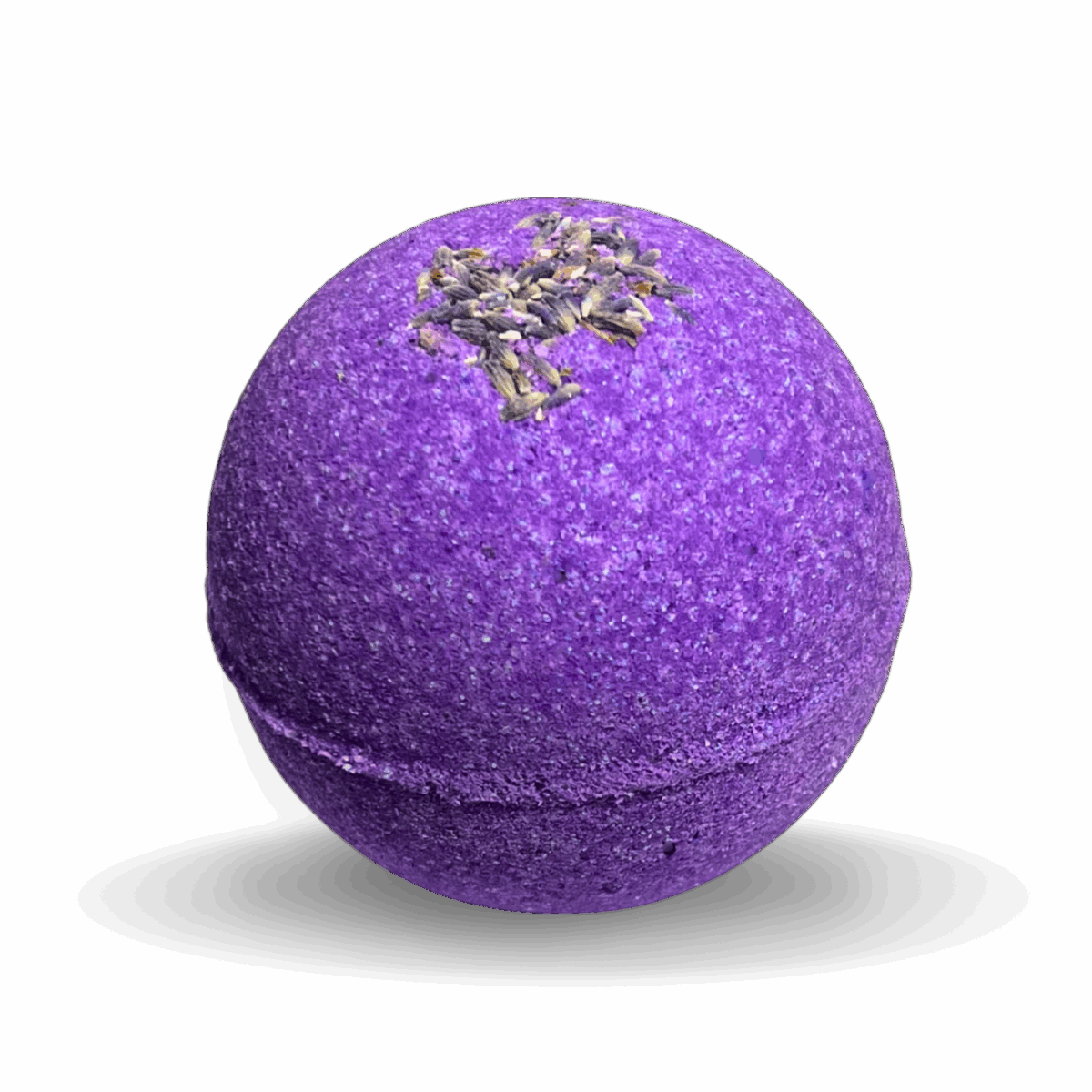
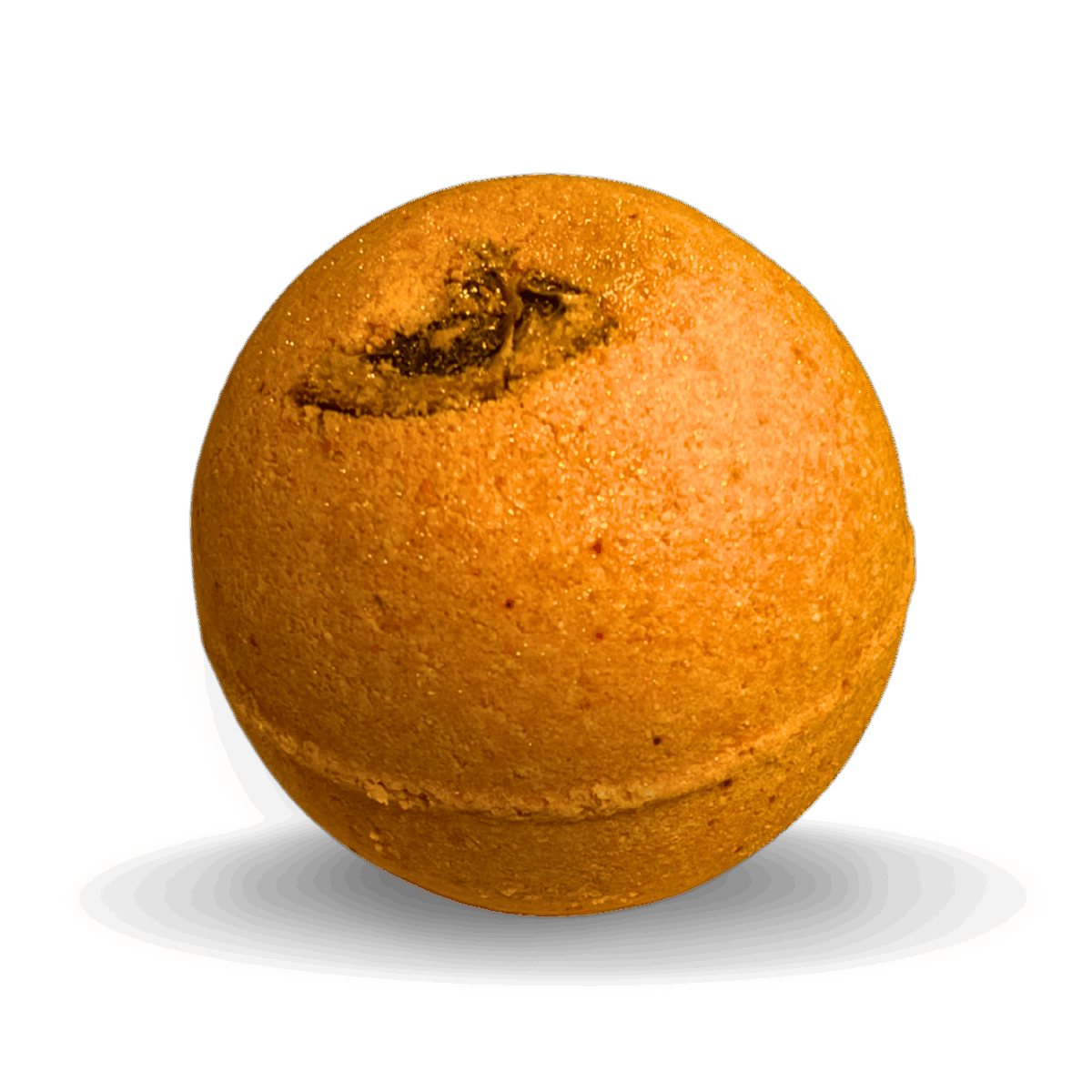
For example, our current Lavender and Orange & Grapefruit bath bombs are simultaneously:
| Bath-bomb type | Do ours fit? | Why |
|---|---|---|
| Classic fizzing | Yes | Sodium bicarbonate + citric acid fizzing base |
| Aromatherapy / essential-oil | Yes | Lavender or Sweet Orange & Grapefruit fragrance profiles |
| Oil-and-butter | Yes | Coconut, Shea, Cocoa, Avocado, Peach, Evening Primrose, Pomegranate, Olive, Argan and Rosehip ingredients |
| Mineral / Epsom-salt | Yes | Contains Magnesium Sulphate |
| Starch-free | Yes | Formulated without starch |
| CBD | Yes | 100mg CBD isolate in each 160g bomb |
| Novelty / surprise | No | The formulation is ingredient-led rather than built around toys, glitter or hidden objects |
This is why we are wary of reducing a bath bomb to one front-of-pack claim. A product can be “CBD”, “aromatherapy” or “Epsom salt” and still be poorly formulated overall. Equally, a beautifully simple classic fizzer can be exactly what somebody wants.
The category tells you the direction. The complete ingredients tell you what you are actually buying.
Explore the range
Explore our CBD bath bombs
Which Type of Bath Bomb Is Best for You?
There is no universal best type. It depends on which part of the bath experience matters most to you.
| If you mainly want… | Look at… |
|---|---|
| Fizz, colour and a simple bath treat | Classic fizzing bath bombs |
| A specific fragrance direction | Aromatherapy / essential-oil bath bombs |
| A richer bath-water feel | Oil-and-butter bath bombs |
| A mineral-bath format | Epsom-salt bath bombs |
| A formula without cornstarch | Starch-free bath bombs |
| CBD as part of the formula | CBD bath bombs |
| Maximum colour, gifting or spectacle | Novelty / visual bath bombs |
If several of those matter to you, look for a formula that combines them rather than assuming you need a separate product for each label.
What About Vegan, Organic and “Natural” Bath Bombs?
These are better thought of as attributes rather than completely separate bath-bomb types.
A vegan bath bomb contains no animal-derived ingredients. An organic claim relates to how qualifying ingredients were produced and certified. “Natural” is much less precise and should never be used as shorthand for “cannot irritate your skin”.
A vegan bath bomb can still be a classic fizzer, an aromatherapy bath bomb, a CBD bath bomb or all three. The same applies to other formulation claims.
This distinction matters because marketing categories can become messy very quickly. If every adjective becomes a separate “type”, the classification stops helping anyone understand the product.
Types of Bath Bombs: The Takeaway
The most useful way to understand different types of bath bombs is to look at what changes in the formulation or experience.
Classic fizzers focus on effervescence. Aromatherapy bath bombs focus on fragrance. Oil-and-butter formulas add a richer emollient base. Mineral bath bombs include ingredients such as Epsom salt. Starch-free bath bombs omit a common filler. CBD bath bombs include CBD as part of the formula. Novelty bombs focus more heavily on colour, shapes and visual effects.
But the best products are often combinations rather than neat single categories.
Our own bath bomb collection is a useful example. Both current formulas are 160g, vegan, starch-free bath bombs with 100mg CBD isolate, Epsom salt and a broad botanical oil-and-butter base. Lavender provides the softer floral option; Orange & Grapefruit provides the brighter citrus one.
That is the information we think should drive the choice: what the product actually contains, how it is formulated and whether the fragrance suits you — rather than how many impressive labels can fit on the front.
Frequently Asked Questions
What are the main types of bath bombs?
Bath bombs can be grouped by formulation and experience, including classic fizzers, aromatherapy or essential-oil bath bombs, oil-and-butter bath bombs, mineral or Epsom-salt bath bombs, starch-free bath bombs, CBD bath bombs and novelty or visual bath bombs. A single product can belong to several of these types at once.
What type of bath bomb is best for dry-feeling skin?
Look at the complete formula rather than the shape or scent. Bath bombs containing emollient oils and butters such as coconut oil, shea butter, cocoa butter, avocado oil or argan oil may leave the skin feeling more conditioned than a simple fizz-and-fragrance formula.
What is an aromatherapy bath bomb?
An aromatherapy bath bomb uses essential oils or other aromatic botanical ingredients to create the fragrance profile of the bath. The term describes the aromatic formulation; it should not be treated as proof that the finished product treats anxiety, insomnia or another medical condition.
What is the difference between an Epsom salt bath bomb and a normal bath bomb?
An Epsom-salt bath bomb contains magnesium sulphate in addition to the usual fizzing base. It therefore adds a mineral-salt component to the bath, but ordinary bathing is not established as a reliable way to deliver a clinically meaningful systemic magnesium dose through the skin.
What is a starch-free bath bomb?
A starch-free bath bomb is formulated without cornstarch or another starch filler. Citric acid and sodium bicarbonate can still create the fizz without starch; starch is an optional formulation ingredient rather than a requirement for the reaction.
Can one bath bomb be more than one type?
Yes. The categories overlap. For example, one bath bomb can simultaneously be an aromatherapy bath bomb, an Epsom-salt bath bomb, an oil-and-butter bath bomb, a starch-free bath bomb and a CBD bath bomb. The ingredient list tells you more than a single marketing label.
- Shopify UK. How To Start a Bath Bomb Business From Home. 20 June 2024. https://www.shopify.com/uk/blog/bath-bomb-business
- Lush. How to make bath bombs. https://www.lush.com/uk/en/a/how-make-bath-bombs
- Shopify UK. How To Start a Bath Bomb Business From Home. https://www.shopify.com/uk/blog/bath-bomb-business
- Cleveland Clinic. Is Marinating in the Tub With a Bath Bomb Safe for Your Skin? https://health.clevelandclinic.org/is-marinating-in-the-tub-with-a-bath-bomb-safe-for-your-skin
- WebMD. What to Know About Bath Bombs and Your Skin. Medically reviewed 7 June 2026. https://www.webmd.com/skin-problems-and-treatments/what-to-know-bath-bombs