













Adaptogen
Ashwagandha
Withania somnifera ash-wah-GAN-dah
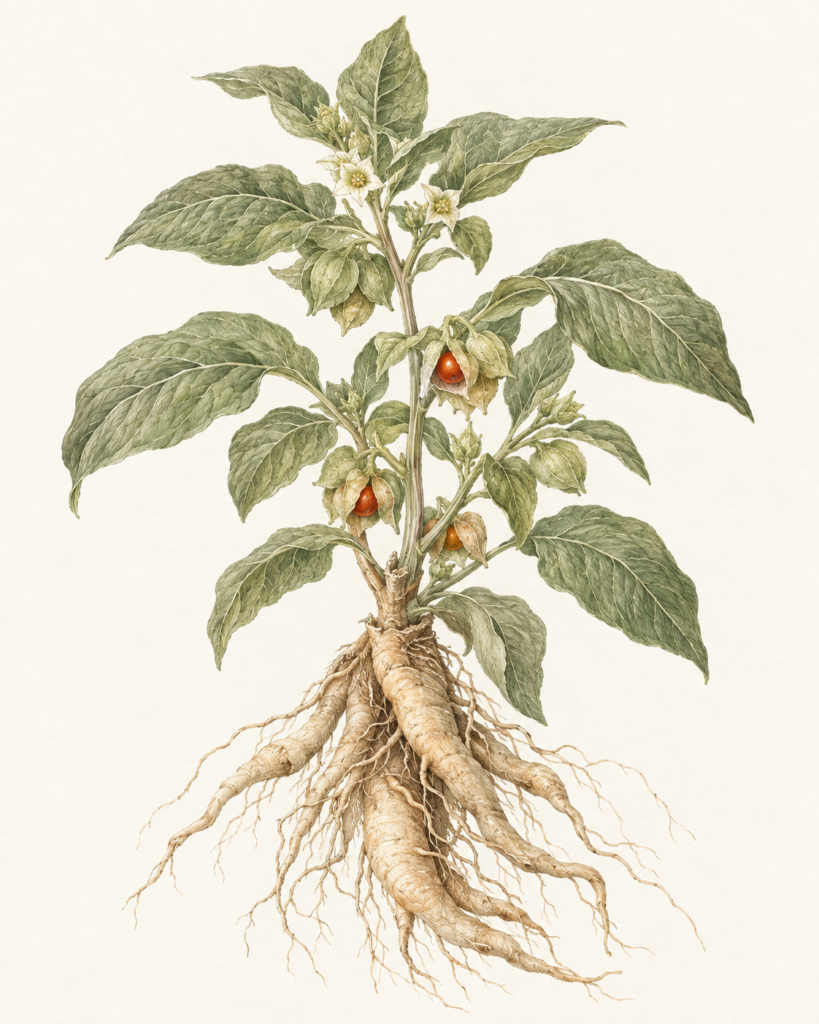
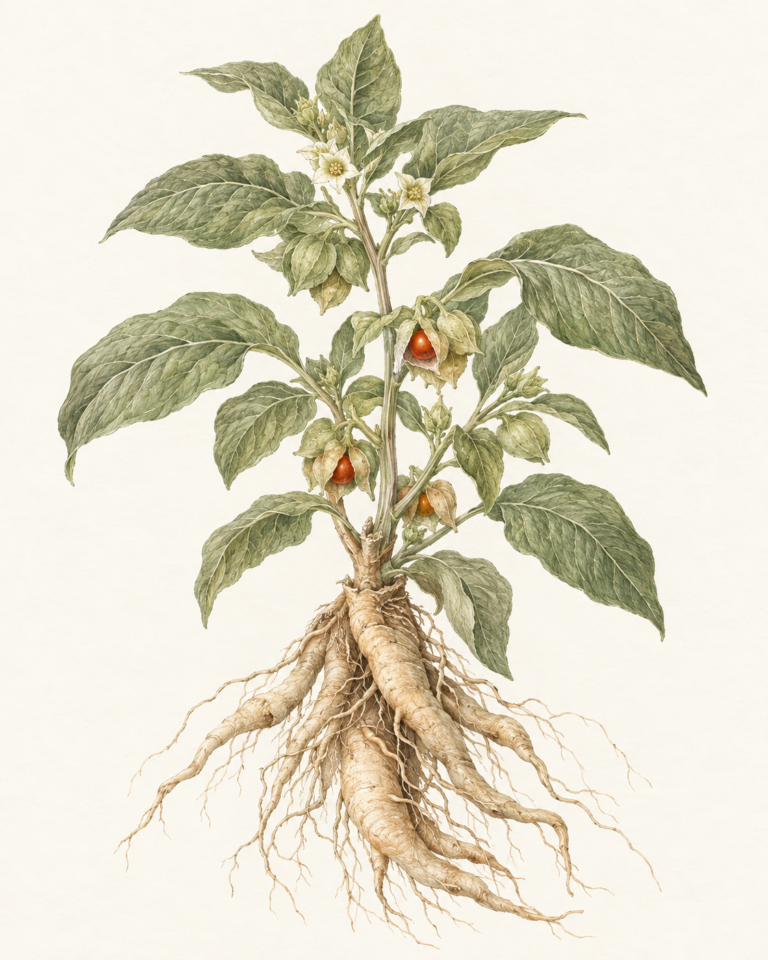
Ashwagandha is a shrub whose root has a long history of use in Ayurvedic botanical traditions.
Modern wellness formulations commonly use a measured root extract to provide a consistent ingredient format.
 ANXIETY
 CALM
CALM SLEEP
SLEEPIngredient guide
What is Ashwagandha?
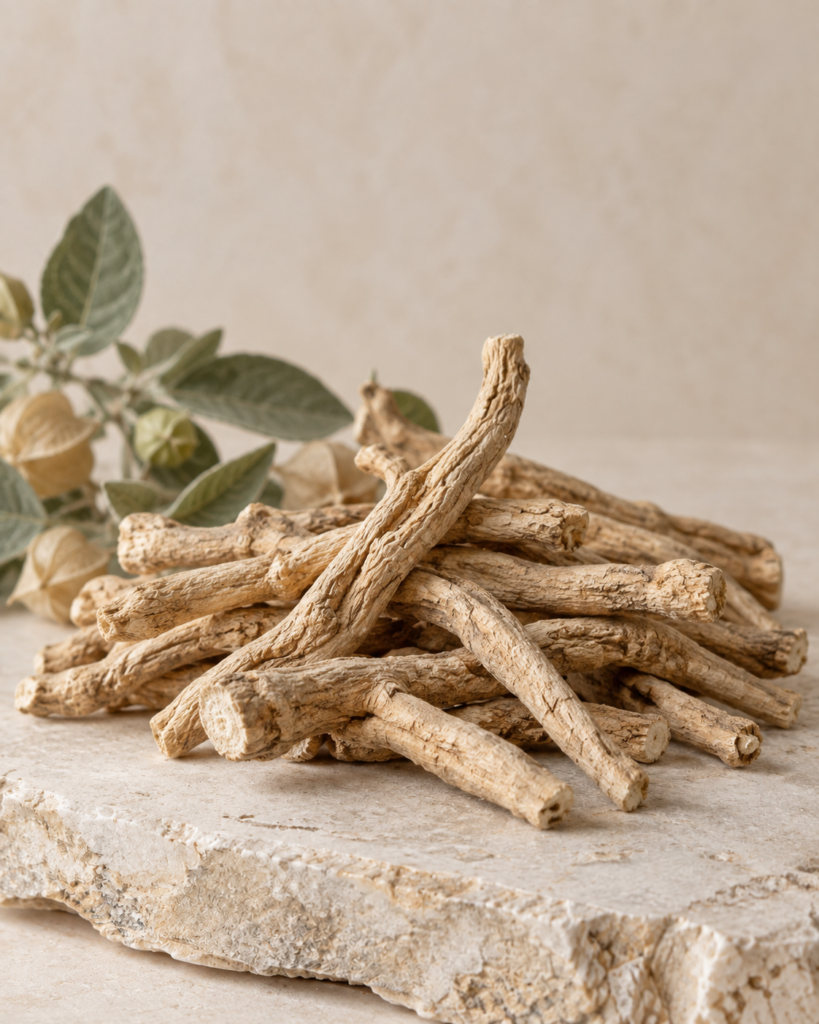
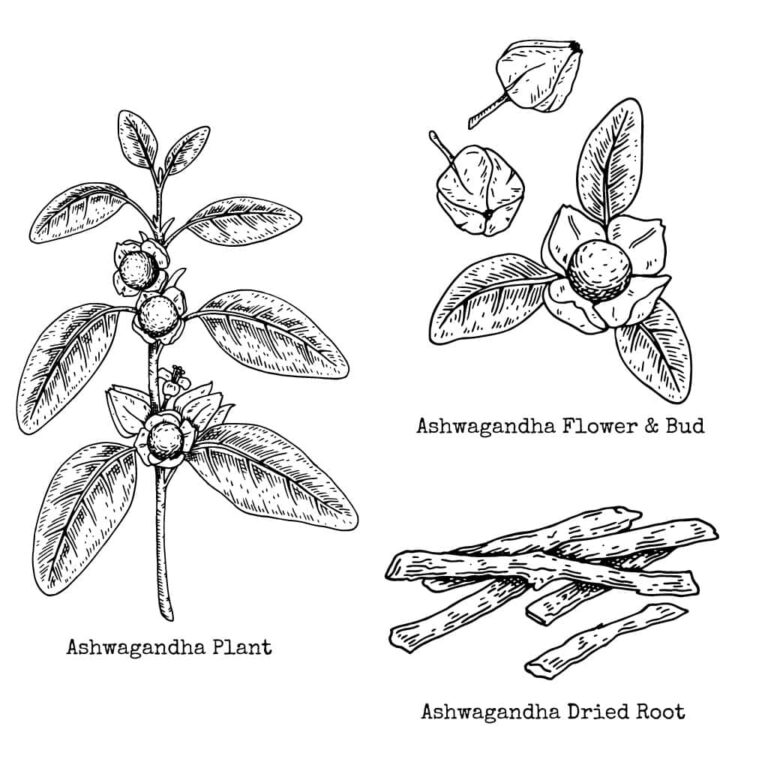
Ashwagandha (Withania somnifera) is a small evergreen shrub with a long history in Ayurvedic and Unani traditions. Modern supplements most often use the root, although some extracts combine root and leaf. The root contains a mixture of phytochemicals including steroidal lactones known as withanolides.
Today, Ashwagandha is commonly described as an adaptogen — a broad term used for ingredients associated with helping the body respond to stress. Human research has focused particularly on perceived stress, anxiety and sleep. The NIH Office of Dietary Supplements notes that several small, short-term clinical trials have reported improvements in stress-related outcomes and some measures of sleep, but the preparations and doses vary and long-term safety remains less certain.
That variability matters when comparing products. A whole-root powder, a standardised root extract and a root-and-leaf extract are not interchangeable simply because the front label says Ashwagandha. The plant part, extraction method and level of standardisation should be considered alongside the final formulation.
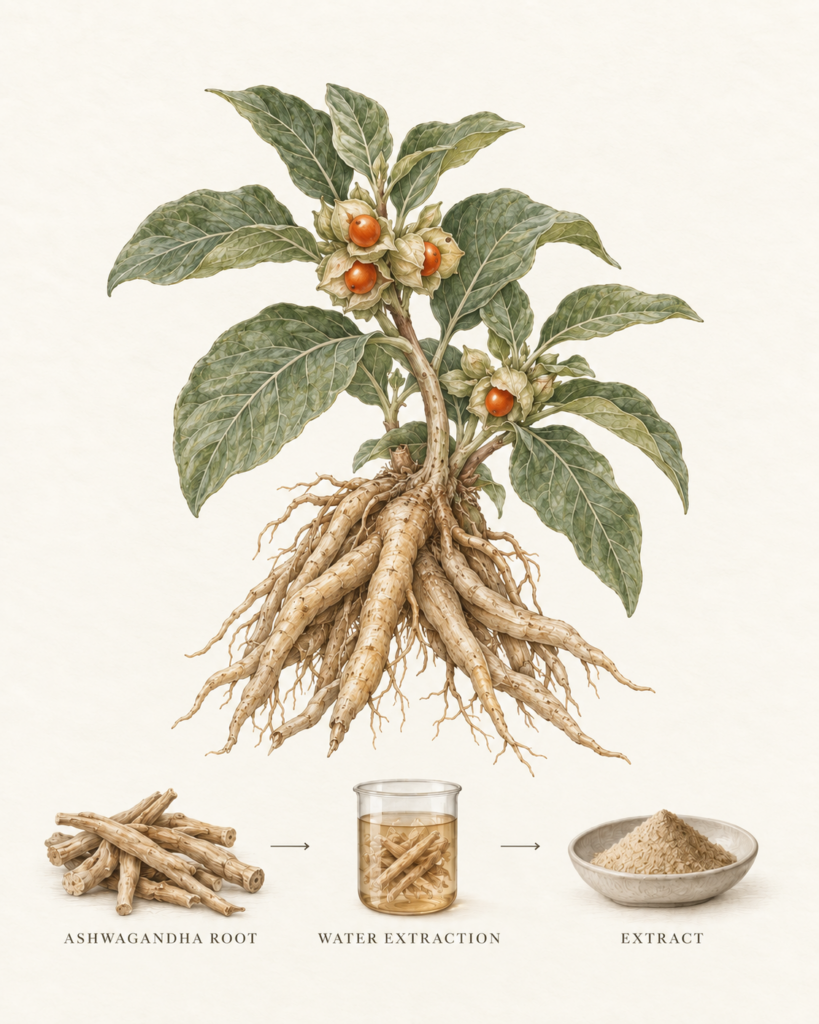
At The London Dispensary, Ashwagandha sits within our Balance formulas. Our current ingredient record uses root material and a water-extracted final extract, with the exact product specification shown on the relevant product page.
Source to formula
Botanical profile
The Ashwagandha root used in our Balance fruit jellies is sourced from community farms in the mountains of India. Product-level supplier information should remain the source of truth if the specification changes.
Key compounds
Withanolides
A family of naturally occurring steroidal lactones found in Withania somnifera and frequently used when describing or standardising Ashwagandha extracts.
Withaferin A
One of the best-known withanolides in Ashwagandha. Its concentration varies by plant part and extract and should not be assumed without a specification.
Alkaloids and other phytochemicals
Ashwagandha contains additional non-withanolide constituents that may contribute to the overall chemistry of the plant.
Evidence, carefully read
What the science says
Ashwagandha has one of the stronger human research bases among popular adaptogenic botanicals, but the evidence is still largely short-term and preparation-specific.
Stress and anxiety research
Several small clinical trials and systematic reviews report reductions in perceived stress or anxiety measures with particular Ashwagandha extracts. Different extracts and doses make it difficult to define one universal effect.
Sleep outcomes
A smaller body of human research suggests some Ashwagandha extracts may improve aspects of sleep quality, efficiency or latency, with stronger signals in people reporting sleep problems.
Extract composition matters
Root-only, root-and-leaf and differently standardised extracts can have different withanolide profiles. Results from one branded or standardised extract should not automatically be applied to every Ashwagandha product.
View research references
- Ashwagandha: Is it helpful for stress, anxiety, or sleep? – Health Professional Fact SheetNIH Office of Dietary Supplements, 2025
- Ashwagandha: evidence, forms and safetyUCLH Health, 2026
Inside our formulas
How we use Ashwagandha
Why we use it
Ashwagandha is a core Balance botanical and gives the range a clearly identified adaptogenic root ingredient rather than an unspecified herbal blend.
The form we use
The current ingredient record uses Ashwagandha root with water extraction and an extract final form.
Where we source it
The root material used in our Balance fruit jellies is sourced from community farms in the mountains of India.
Why we pair it
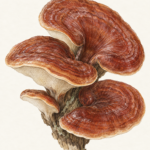
In Balance fruit jellies it appears with UK-grown Reishi and broad-spectrum CBD; selected Balance oils also combine Ashwagandha with Ginkgo, vitamins and broad-spectrum CBD.
From the dispensary
Products containing Ashwagandha
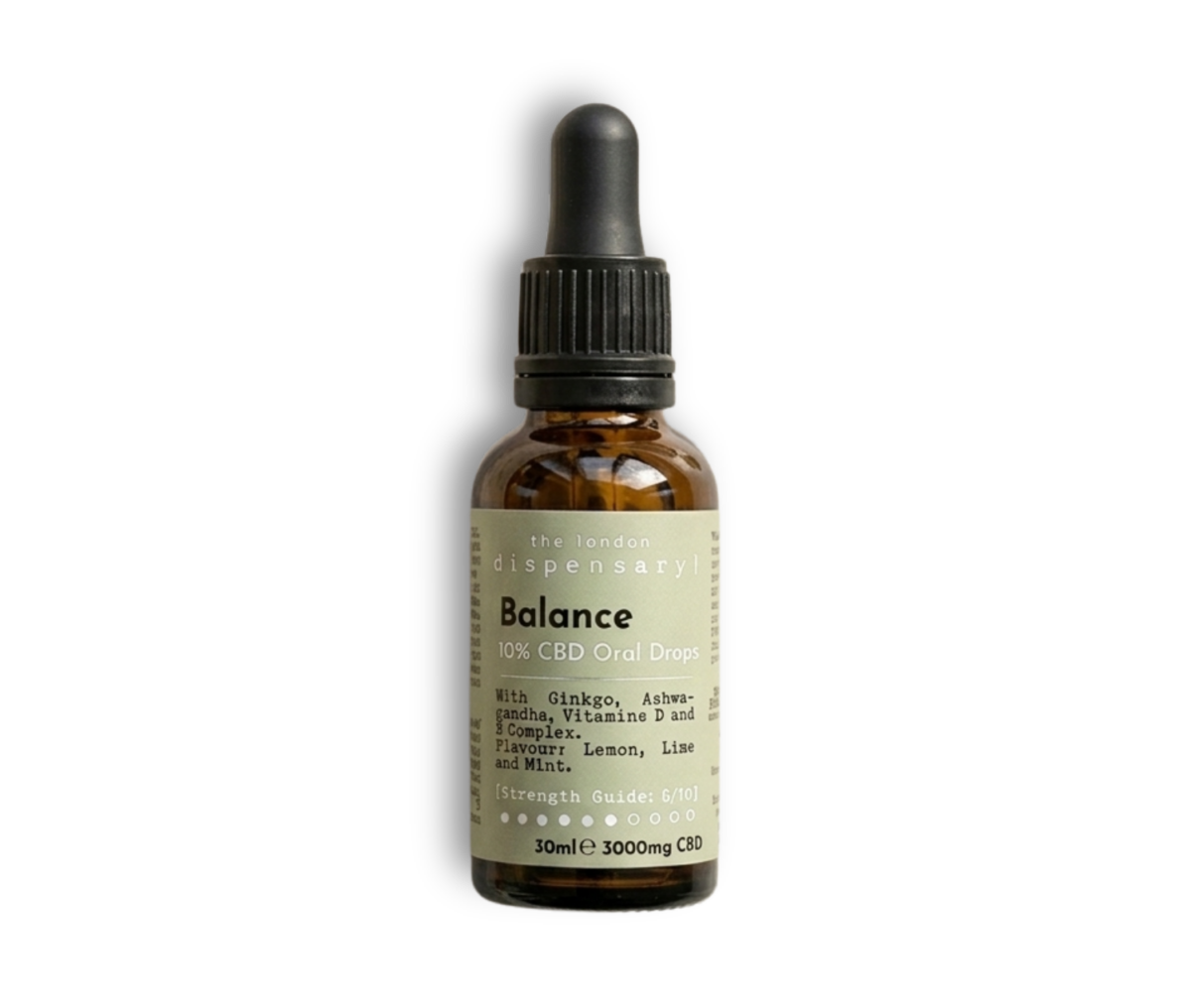


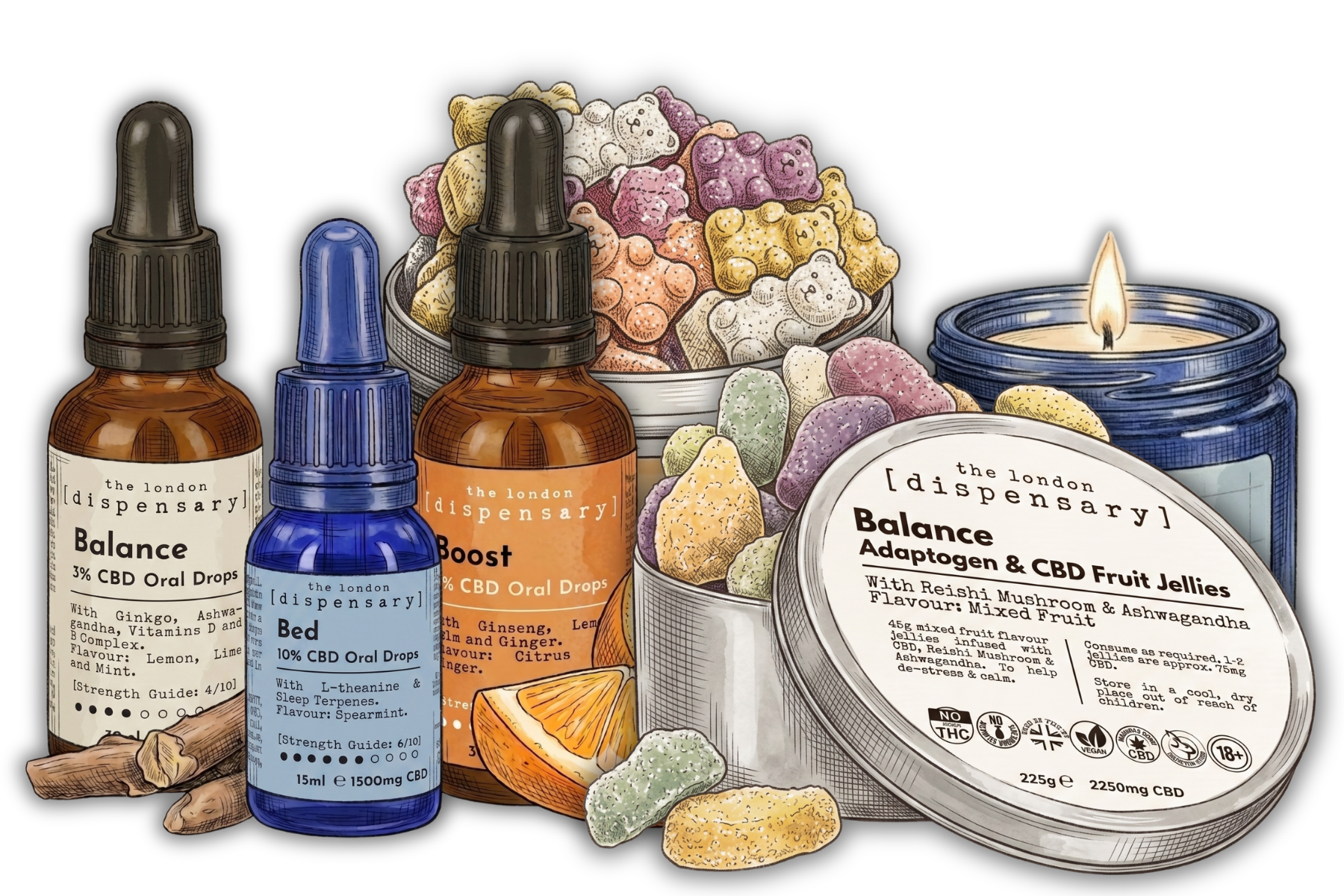
BALANCE
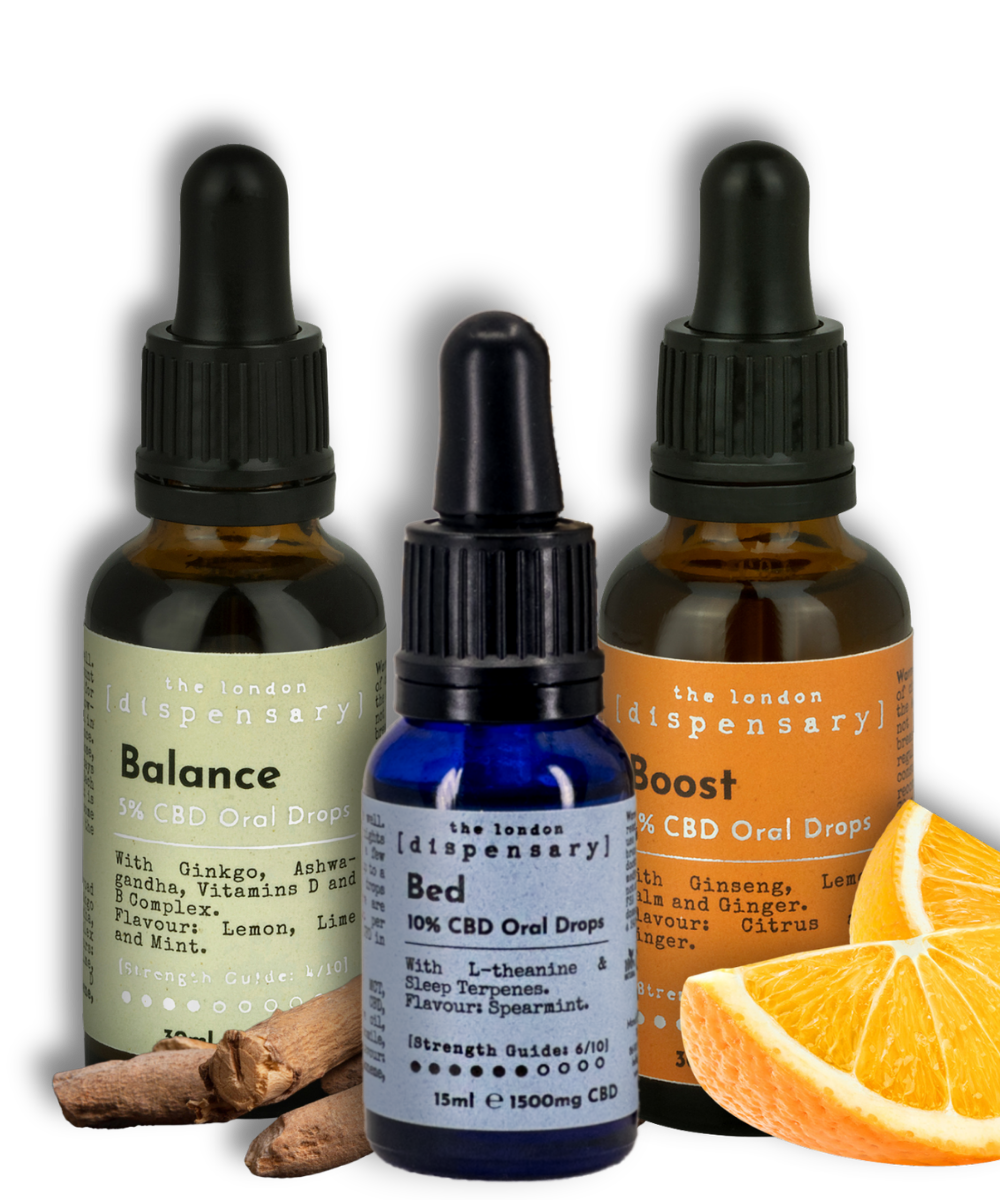
Balance 10% CBD Oil | 3000mg
Full-size 3000mg CBD oil with Ashwagandha, Ginkgo and vitamins.


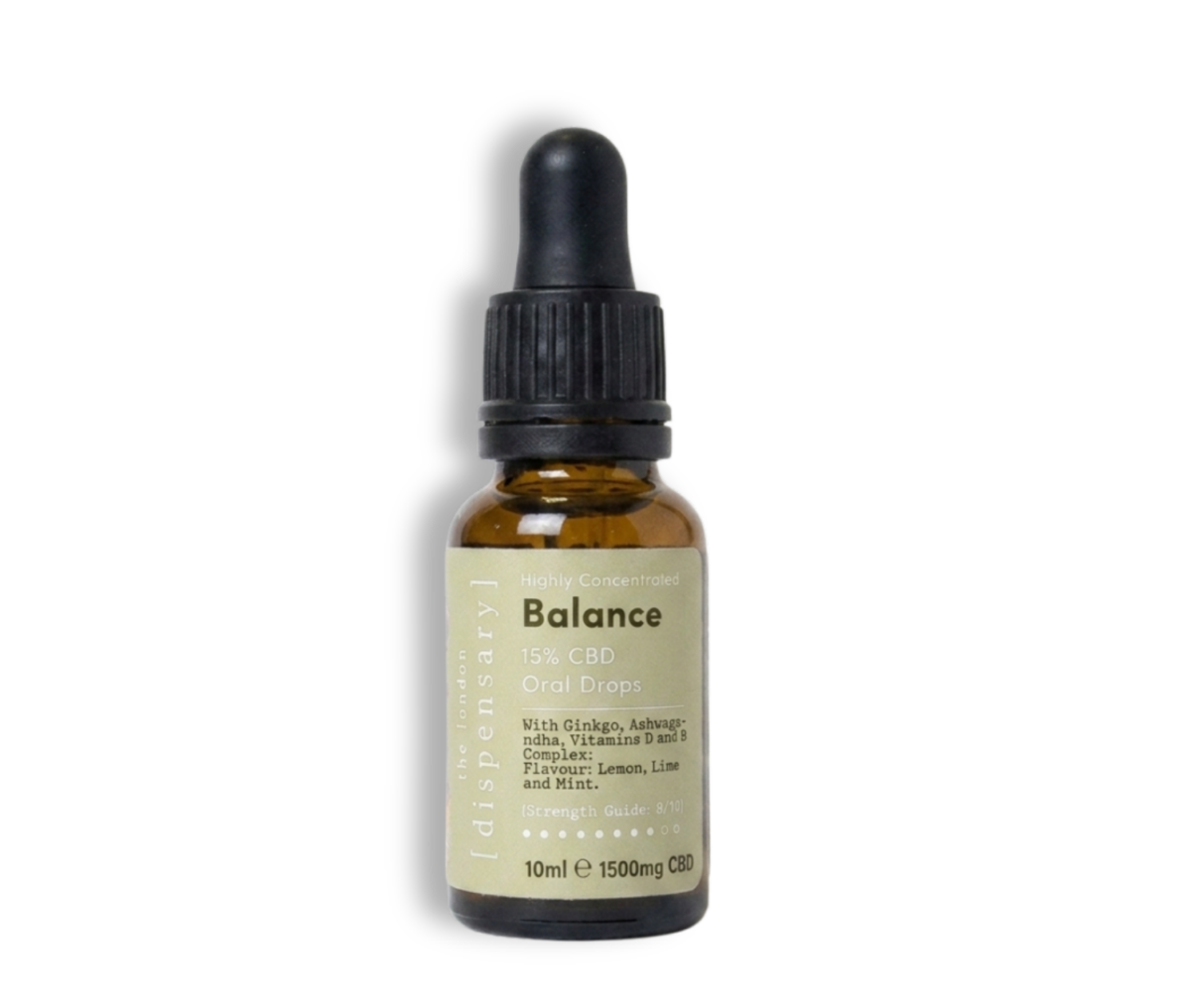
BALANCE
Balance 15% CBD Oil | 1500mg
Compact 10ml, 15% CBD oil with Ashwagandha, Ginkgo & Vitamin D, B5,6,12.

BALANCE
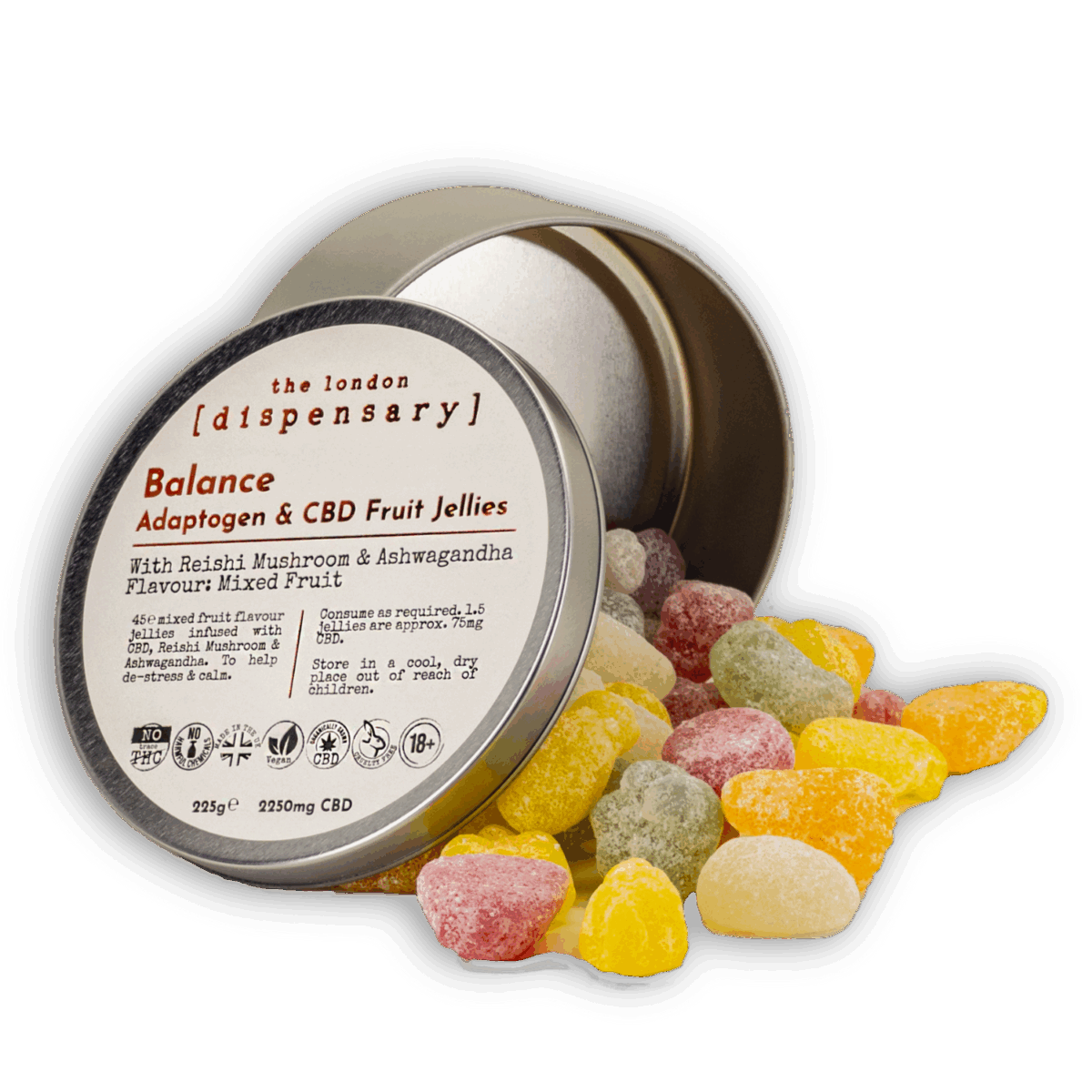
Balance CBD Fruit Jellies | 2250mg
CBD fruit jellies with Reishi and Ashwagandha; approximately 50mg CBD each.
The botanical notebook
Read more about Ashwagandha
Top 5 Ashwagandha Benefits, Overview, Uses and Side Effects
Understanding Ashwagandha Benefits: A Brief Overview Ashwagandha, also known as Withania somnifera or Indian ginseng, is an ancient medicinal herb that has been used…
Ashwagandha UK: Top 6 Best Ashwagandha Supplement UK
Have you been feverishly searching Google due to being in the 60% of the UK population that are turning to natural remedies for stress…
Ashwagandha History Through the Ages: Discovering the Legacy and Evolution of this Ayurvedic Herb
Introduction: Ashwagandha History Welcome, dear reader, to a journey through time and culture. Let us embark on a quest to discover the legacy and…
Good to know
Questions about Ashwagandha
What is Ashwagandha?
Ashwagandha is Withania somnifera, a shrub whose root has a long history in Ayurvedic and Unani traditions and is now widely used in modern supplements.
What part of Ashwagandha is used in TLD products?
Our current ingredient record uses the root and a prepared extract rather than treating the entire plant as one interchangeable ingredient.
What are withanolides?
Withanolides are naturally occurring steroidal lactones found in Ashwagandha and commonly used to describe or standardise extracts.
What does the evidence say about Ashwagandha for stress and sleep?
Small human trials suggest potential effects on perceived stress and some sleep measures, but results are extract-specific and long-term evidence is still limited.
Where does TLD source its Ashwagandha?
The Ashwagandha root used in our Balance fruit jellies is sourced from community farms in the mountains of India.