












How do you choose a bath bomb? Ignore the front-of-pack adjectives for a minute and look at nine practical things: the base formula, oils and butters, fragrance, allergens, mineral salts, fillers, size, directions and the claims the brand is making.
A bath bomb can be cheap and simple or highly formulated. It can be designed mainly for colour and fizz, or built around essential oils, emollient ingredients, Epsom salt, CBD or a particular bathing ritual.
The best choice depends on what you actually want from the bath. This guide gives you a practical bath-bomb buying checklist without turning into a fake “best bath bombs UK” ranking.
1. Read the Full Ingredient List
The first thing to check is the full formula, not the product name.
A conventional bath bomb will usually contain an acid such as citric acid and sodium bicarbonate to create the fizz. Everything else tells you what kind of bath product it really is.
Look for:
- carrier oils;
- plant butters;
- mineral salts;
- essential oils or fragrance;
- colourants;
- fillers or binders;
- preservatives where relevant; and
- declared fragrance allergens.
If a brand tells you the bomb is “luxury”, “natural” or “wellness-led” but gives you very little ingredient information, the label is doing more work than the formulation evidence.
2. Look at the Oils and Butters
If you want a richer bath-water feel, this is one of the most important differences between products.
Bath bombs may include ingredients such as:
- Coconut Oil;
- Shea Butter;
- Cocoa Butter;
- Avocado Oil;
- Olive Oil;
- Argan Oil;
- Rosehip Oil; and
- other emollient plant oils.
These ingredients can leave the skin feeling softer or more conditioned after bathing, although a bath bomb is still not the same thing as a leave-on moisturiser.
If skin feel matters to you, compare the actual oil-and-butter profile rather than assuming every bath bomb is moisturising.
3. Check What Creates the Fragrance
Some bath bombs use essential oils, some use fragrance materials, and some use both.
Neither route is automatically “good” or “bad”. Essential oils are plant-derived, but natural fragrance materials can still contain allergens and can still irritate sensitive skin.
What matters is whether the product tells you enough to understand the scent profile and any relevant allergens.
Choose fragrance by preference:
- Lavender if you like a soft floral-herbal profile;
- Orange or Grapefruit for brighter citrus;
- Eucalyptus or Peppermint for a fresher botanical direction; or
- another fragrance family that you genuinely enjoy.
Do not buy an aroma you dislike just because the front of the pack says it is “calming”, “energising” or “detoxifying”.
4. Check Allergens and Skin Sensitivity
Fragrance, essential oils, dyes and other additives can trigger irritation in some people.
Cleveland Clinic notes that bath-bomb ingredients such as fragrance and dyes can cause redness, itching and scaling in susceptible users, and that “natural” ingredients are not automatically non-irritating.1
If you have eczema, fragrance allergy or a history of reacting to bath products, the ingredient list is more important than the marketing category.
WebMD similarly advises caution with fragranced and coloured bath bombs and recommends stopping use if irritation develops.2
5. Decide Whether Mineral Salts Matter to You
Some bath bombs contain Epsom salt — magnesium sulphate — in addition to the fizzing base.
If you specifically enjoy a mineral-bath format, that is a useful ingredient to look for.
What you should not do is assume that the presence of Epsom salt means a clinically meaningful amount of magnesium is absorbed through your skin. The evidence for systemic transdermal magnesium from ordinary bathing is weak.
Choose a mineral bath bomb because you like the complete formula, not because of exaggerated absorption claims.
6. Look at Fillers and Binders
Cornstarch is a common bath-bomb filler. It can change structure and slow the fizzing reaction.
It is not essential, and it is not inherently “bad”.
If a product is starch-free, that is a legitimate formulation detail. If it contains starch, that can be legitimate too.
Our separate guide to cornstarch in bath bombs explains what it actually does and why our own current formulas are starch-free.
7. Compare Size and Format
Weight matters because it tells you how much total product you are buying.
A 60g mini bomb and a 160g full-size bomb are not equivalent simply because both contain the same headline fragrance.
But size alone is not quality.
When comparing weights, also look at:
- the ingredient profile;
- whether the product is single-use;
- how much fragrance or colour it appears to rely on;
- whether strength claims such as CBD content are given clearly; and
- the price per unit or per gram if value matters.
8. Look for Clear Use and Safety Directions
A well-presented bath product should tell you how to use it.
Useful information includes:
- single-use or multi-use status;
- whether to use the whole product;
- external-use warnings;
- allergen or sensitivity information;
- storage instructions;
- age restrictions if relevant;
- slip warnings where oils and butters are present; and
- what to do if irritation occurs.
If a brand can find space for twelve wellness claims but not basic directions, that is not the hierarchy we would choose.
9. Be Sceptical of Overblown Claims
This is probably the easiest quality test of all.
A bath bomb can create a great bathing experience. It can smell good, fizz well, add oils and butters to the bath, contain mineral salts and make the whole process feel more deliberate.
That does not mean every ingredient becomes medicine because it has been dropped into warm water.
Be wary of claims that a bath bomb:
- detoxifies your body;
- treats anxiety;
- cures insomnia;
- delivers a precise systemic CBD dose;
- treats inflammation or pain; or
- corrects magnesium deficiency through the bath.
Those are very different claims from saying a product contains Lavender, Epsom salt, CBD isolate or botanical oils.

MYTH BUSTER
A Quick Bath-Bomb Buying Checklist
| Check | Question to ask |
|---|---|
| Ingredients | Can I see the full formula? |
| Oils & butters | Is this a rich emollient formula or mainly fizz and fragrance? |
| Fragrance | Do I actually like this scent profile? |
| Allergens | Are relevant fragrance allergens and warnings clear? |
| Salts | Does it contain Epsom salt or another mineral component? |
| Fillers | Does it use starch or another filler, and does that matter to me? |
| Size | How much product am I getting? |
| Directions | Can I tell exactly how to use and store it? |
| Claims | Is the brand explaining the formula or selling me a medical fantasy? |
How Our Own Bath Bombs Score Against the Checklist
We use the same criteria for our own products.
Our Lavender and Orange & Grapefruit bath bombs are:
- 160g single-use bath bombs;
- made with a citric-acid and sodium-bicarbonate fizzing base;
- formulated with Epsom salt;
- built around a broad botanical oil-and-butter base;
- starch-free;
- vegan;
- made with essential-oil fragrance profiles; and
- formulated with 100mg CBD isolate.
The shared botanical base includes Coconut, Shea, Cocoa, Avocado, Peach Kernel, Evening Primrose, Pomegranate, Olive, Argan and Rosehip ingredients.
Explore the range
Explore our CBD bath bombs
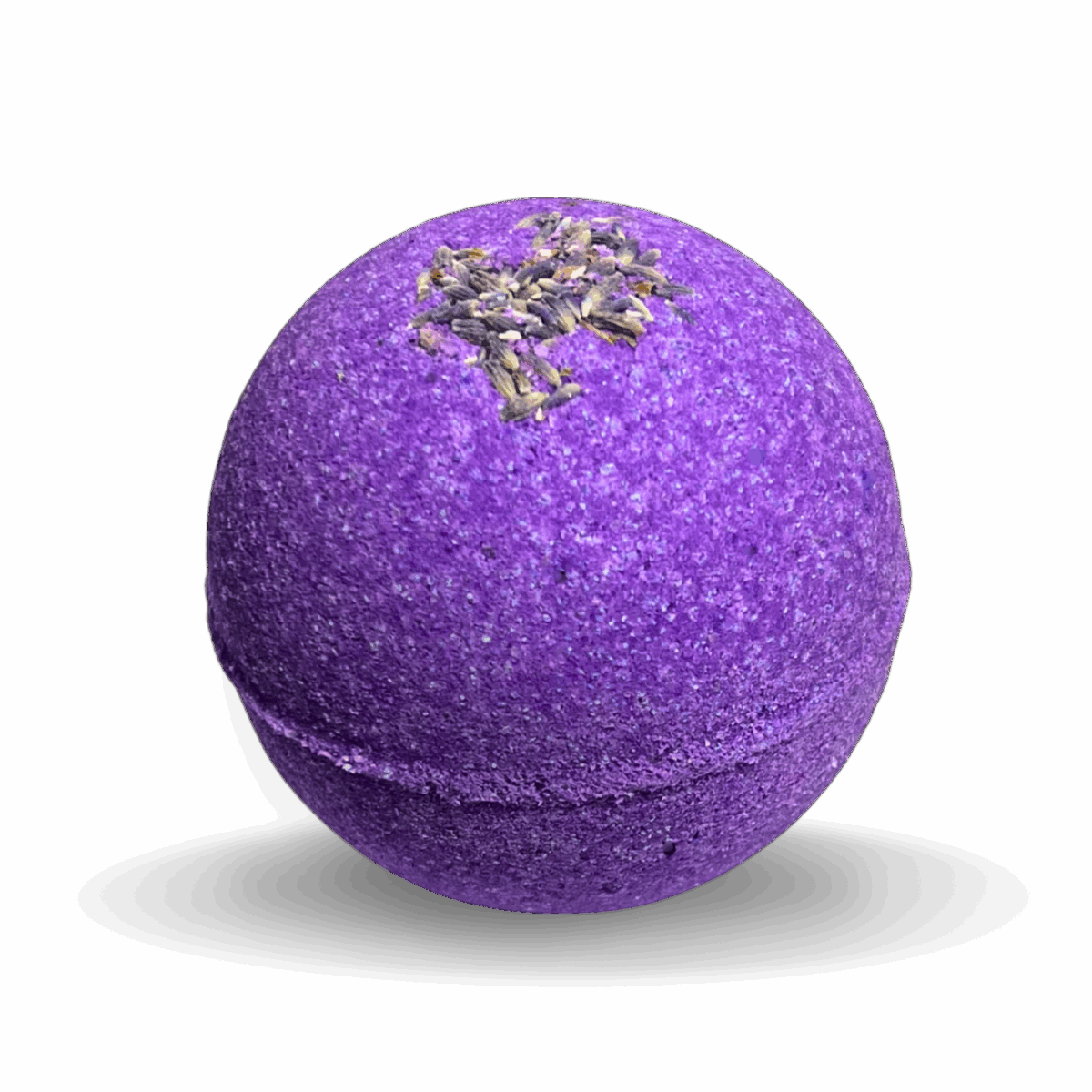
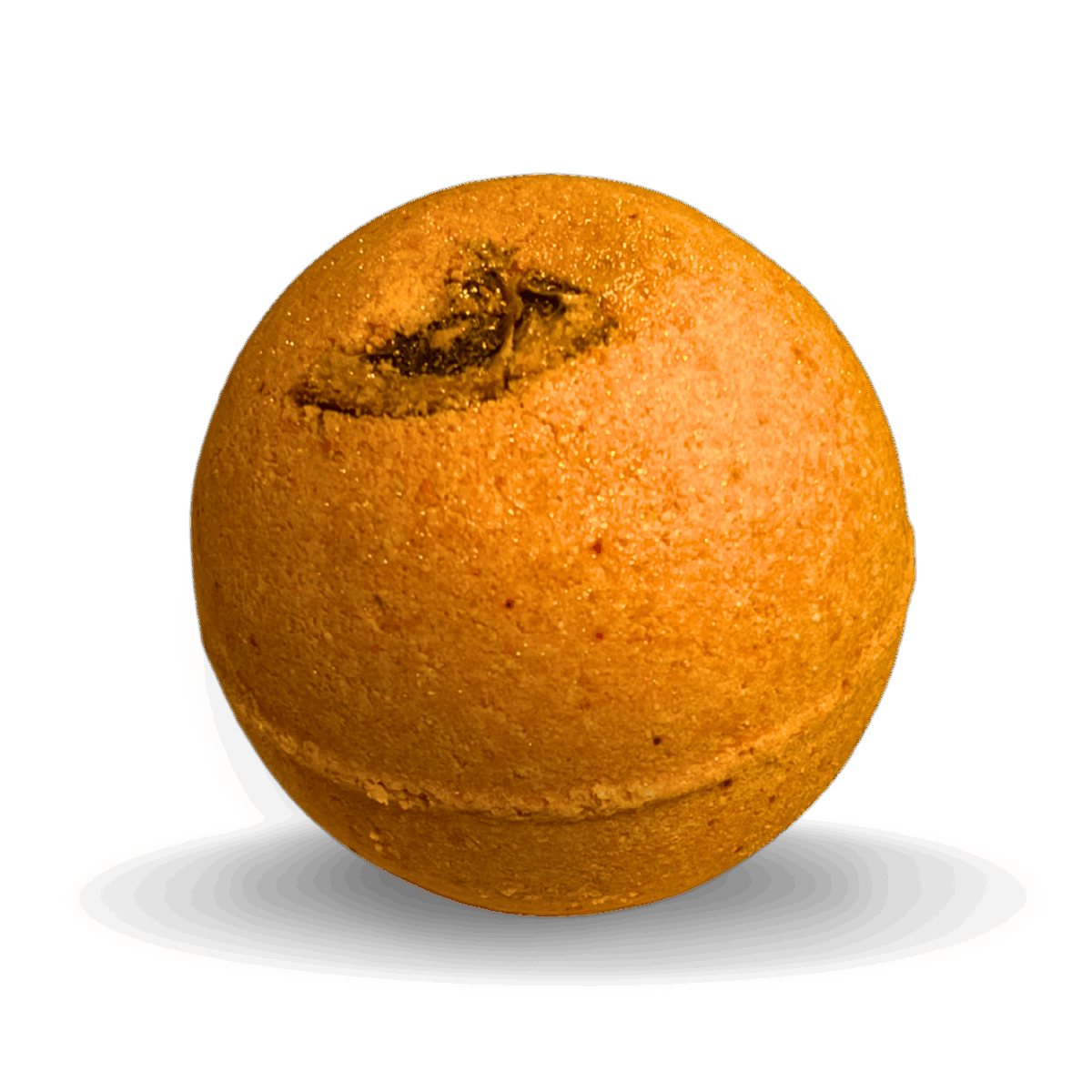
The Lavender bath bomb is the softer floral evening option. The Orange & Grapefruit bath bomb gives a brighter citrus profile.
Both sit within the CBD bath bombs collection, which remains the commercial owner for broad CBD bath-bomb shopping terms.
How to Choose a Bath Bomb: The Takeaway
A good bath bomb is not defined by one fashionable ingredient or one impressive adjective.
Choose by the complete product:
- read the ingredients;
- compare the oils and butters;
- choose a fragrance you actually like;
- check allergens and sensitivity risks;
- look at salts and other functional ingredients;
- understand fillers;
- compare size and format;
- look for useful directions; and
- ignore claims that run far beyond what the product can reasonably support.
If you are still working out which formulation style suits you, start with our guide to the different types of bath bombs. If you already know the type and want to compare products, use the checklist above.
Frequently Asked Questions
How do you choose a good bath bomb?
Start with the complete ingredient list, then compare the oils and butters, fragrance source, allergens, mineral salts, fillers, size, directions and the realism of the brand’s claims. The most colourful or expensive bath bomb is not automatically the best-formulated one.
What ingredients should you look for in a bath bomb?
That depends on the experience you want. A standard fizz needs an acid such as citric acid and sodium bicarbonate. For a richer bath-water feel, look for emollient oils or butters. For fragrance-led products, check the essential oils or fragrance ingredients and declared allergens.
Are essential-oil bath bombs better than fragrance bath bombs?
Not automatically. Essential oils are plant-derived aromatic ingredients, but they can still irritate sensitive skin and do not automatically make a product safer or medically effective. The finished formulation matters more than a natural-versus-synthetic label.
Does bath-bomb size matter?
Size tells you how much total product you are buying, but it does not tell you how much of each ingredient is present or whether the formula is well designed. Compare weight alongside ingredients, fragrance and directions.
Should you avoid cornstarch in bath bombs?
There is no general need to avoid cornstarch. It is an optional filler that can change fizz and dissolution. A starch-free formula is a formulation choice, not proof that the product is medically safer.
What should people with sensitive skin look for?
Check the full ingredient list and pay particular attention to fragrance, essential oils, dyes, preservatives and other known personal triggers. People with eczema or known fragrance sensitivity may prefer simpler formulations and should stop use if irritation occurs.
How can you compare CBD bath bombs?
Compare the total product weight, type and amount of CBD, fragrance, mineral salts, oils and butters, allergens, fillers, use directions and price. The labelled CBD amount is a formulation specification and should not be treated as an absorbed dose from bath water.
- Cleveland Clinic. Is Marinating in the Tub With a Bath Bomb Safe for Your Skin? https://health.clevelandclinic.org/is-marinating-in-the-tub-with-a-bath-bomb-safe-for-your-skin
- WebMD. What to Know About Bath Bombs and Your Skin. Medically reviewed 7 June 2026. https://www.webmd.com/skin-problems-and-treatments/what-to-know-bath-bombs