









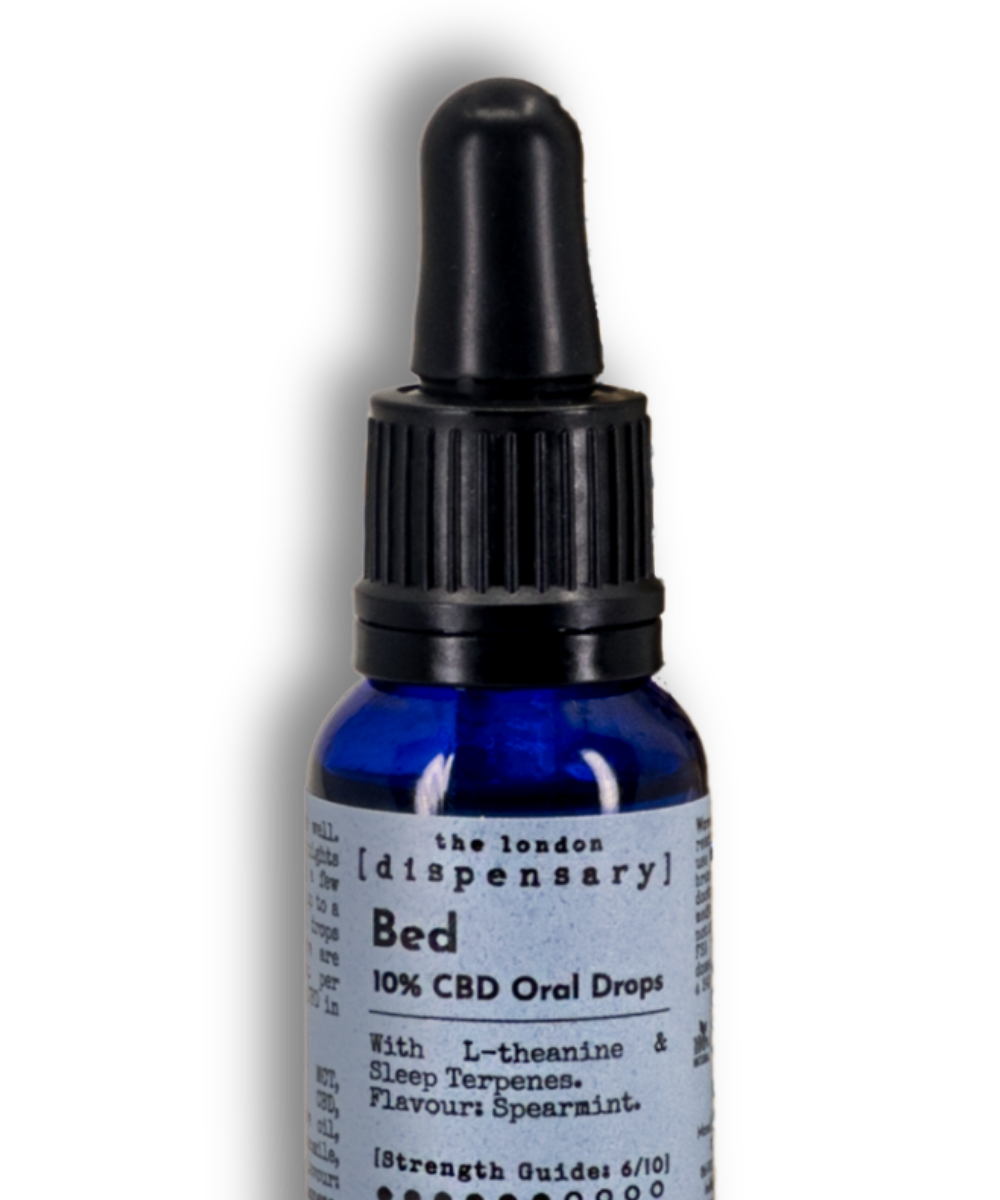
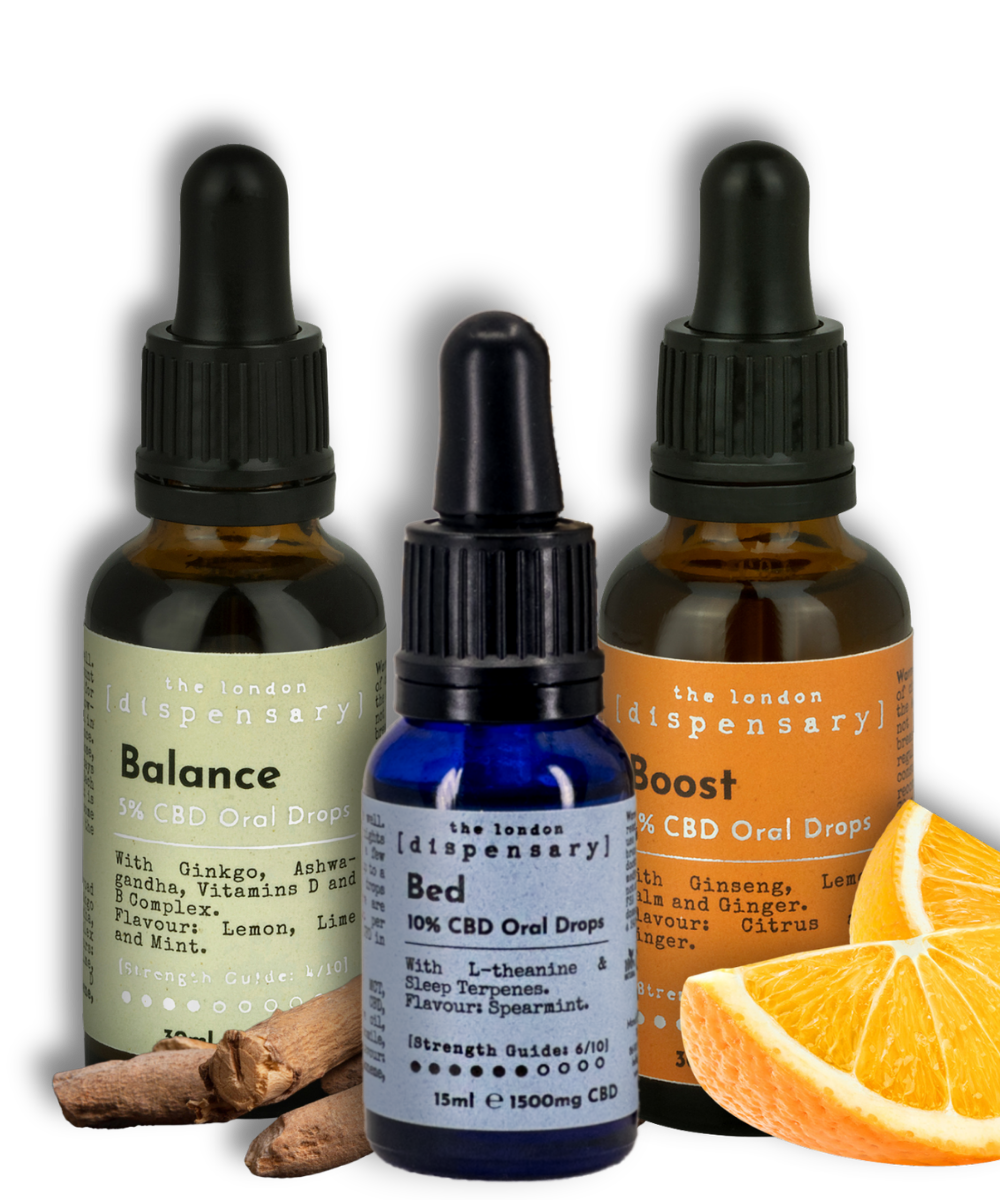




Can you take CBD oil on a plane from the UK? Sometimes — but there is an important catch. Getting a bottle through a UK airport security checkpoint is not the same thing as having permission to take it into the country at the other end.
There are really three separate rulebooks to check before flying with CBD: whether the product is lawful in the UK, the airport and airline rules for carrying it, and the import or possession laws of every destination and transit country on your itinerary.
That distinction matters. A CBD oil that is sold in Britain can still be restricted or prohibited at another border. This guide was checked against current UK government travel and airport guidance, Home Office CBD guidance and selected destination authorities on 28 September 2026.

TOP TIP
Can You Take CBD Oil on a Plane from the UK?
There is no single worldwide yes-or-no answer. UK airport security rules mainly deal with what can pass through security and onto an aircraft. They do not grant permission to import a CBD product into another country.
The Foreign, Commonwealth & Development Office advises travellers to check the current entry requirements and legal differences for the country they are visiting before departure. That is the right starting point for CBD too.1
For the UK side of the journey, it is also worth understanding what you are carrying. Pure isolated CBD is not itself controlled under the Misuse of Drugs Act 1971, but consumer CBD products may contain controlled cannabinoids and their legal position can depend on the finished product and whether the statutory exempt-product conditions are met.2
If you want the full domestic-law explanation first, read our separate guide: Is CBD Oil Legal in the UK?
Can CBD Oil Go in Hand Luggage?
CBD oil is a liquid, so the normal airport liquid rules apply. One of the most useful updates since the original version of this article is that the old “100ml everywhere” advice is no longer accurate for every UK airport.
Current GOV.UK guidance says the rules depend on the airport. At most UK airports, liquids in hand luggage still need to be in containers holding no more than 100ml. Some airports may allow liquid containers holding up to 2 litres. Requirements for placing liquids in a separate transparent bag can also differ.3
So check:
- the airport you are departing from;
- any airport where you change planes;
- the airport used for your return journey; and
- your airline’s own cabin-baggage rules.
Do not assume that because a bottle passed security at one airport it will meet the rules at the next.
UK Legality Does Not Travel with the Bottle
This is the central point of the whole guide. A product can be lawfully sold or possessed under one country’s rules and still be restricted at another country’s border.

MYTH BUSTER
The Home Office itself notes that other countries operate different control regimes from the UK.4
That is why we have removed the old static “CBD legal by country” table from this guide. It looked convenient, but border law is too important — and changes too often — to reduce dozens of countries to a permanent green, amber or red cell. Current official destination guidance is a much safer source than an ageing blog table.
Two Examples That Show Why You Must Check the Destination
These are not a worldwide travel table. They are examples of how different the answer can become once a border is involved.
Hong Kong: CBD is a controlled dangerous drug
Hong Kong lists CBD as a dangerous drug under its Dangerous Drugs Ordinance. Hong Kong Police states that from 1 February 2023, products containing CBD are controlled and that selling, possessing or consuming CBD products constitutes an offence.5
A bottle that you bought in Britain therefore should not be assumed safe to pack for Hong Kong simply because the label says “CBD” or “THC-free”.
Canada: legal cannabis does not mean you can cross the border with CBD
Canada is a particularly useful example because cannabis is legal there, yet the Canada Border Services Agency says transporting cannabis across the international border in any form — including oils containing CBD — without an authorised permit or exemption remains a serious criminal offence.6
It is a good demonstration of why “CBD/cannabis is legal there” is not enough. Possession, sale and cross-border import are different legal questions.
What About Flying with CBD Gummies?
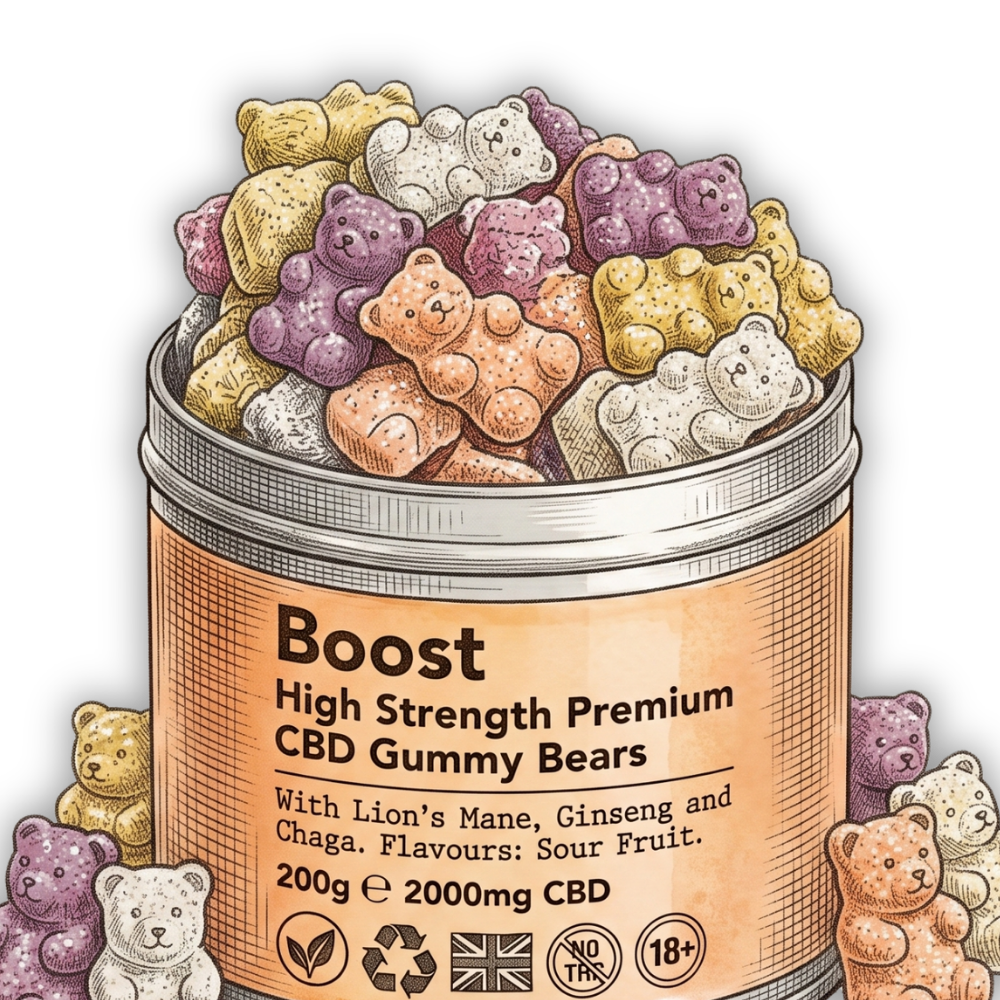
Gummies avoid the airport liquid question, but they do not avoid destination law.
A country may regulate CBD foods, cannabis-derived ingredients, THC or other cannabinoids differently from the UK. Customs and import rules may also be different from the rules for buying the same type of product locally.
If you use gummies, our separate CBD and THC edibles legal guide explains the current UK position. But before taking them abroad, you still need to check the destination and transit rules.
What About CBD Flower?
We would be considerably more cautious about travelling with raw CBD or hemp flower.
Raw cannabis plant material is legally different from a bottle of finished CBD oil, and the Home Office position in Britain does not treat low-THC flower as an ordinary consumer CBD product simply because it contains relatively little THC. Our full CBD flower UK law guide explains that distinction.
At an international border the situation can become more complex still, because local authorities may classify cannabis plant material differently from isolated CBD or finished foods. Do not treat advice for CBD oil as automatic advice for CBD flower.

Should You Keep CBD in Its Original Packaging?
Yes, as a practical step. Keep the product in its original labelled container rather than decanting it into an anonymous bottle.
It can also be useful to keep access to the relevant certificate of analysis or laboratory report. Our own CBD lab reports are published so the product’s cannabinoid information can be checked.
But there is an important limitation: a label, receipt or lab report does not override local law. It may help identify what you are carrying; it does not turn a prohibited import into a permitted one.

DID YOU KNOW?
What Should You Check Before Flying with CBD?
The original version of this article encouraged travellers to do their homework before flying. That remains the most useful advice — but the checks need to be more precise.
Before You Fly with CBD
- 1. Check the destination government’s rules: use official foreign travel, customs, drug-control or food-authority sources.
- 2. Check every transit country: a connection can expose you to another country’s rules even when it is not your final destination.
- 3. Check your departure and transfer airports: liquid limits and security processes can differ.
- 4. Check the airline: airline baggage rules are separate from the law of the destination.
- 5. Identify the exact product: oil, gummies, topical products and raw flower may be treated differently.
- 6. Keep the original packaging: do not remove the label or place the oil in an unmarked container.
- 7. Save the product lab report: useful for identification, but never assume it replaces official permission.
- 8. Recheck shortly before departure: do not rely on advice you saved months or years ago.
Should You Ask an Embassy?
If the official destination guidance does not give a clear answer for the exact CBD product you plan to carry, contact the country’s embassy, high commission or relevant customs authority before travelling.
Where possible, describe the product precisely: for example, a 10ml broad-spectrum CBD oil sold as a food supplement, rather than simply asking whether “cannabis” is allowed. Keep any written response, while remembering that border officials will ultimately apply the country’s current law and entry rules.
The FCDO also recommends checking current country-specific foreign travel advice for legal differences and entry requirements.1
Can You Bring CBD Oil Back into the UK?
Do not assume that because you can buy a CBD product abroad you can automatically import it into Britain.
UK controlled-drug rules apply to imported products too. The Home Office says products containing controlled cannabinoids can require a controlled-drug import licence unless the product satisfies the exempt-product definition.4
Food, novel-food and other regulatory requirements may also apply depending on the product. “I bought it legally overseas” is therefore not a complete UK import analysis.
The Takeaway: Can You Take CBD Oil on a Plane?
You may be able to take a lawful CBD oil through a UK airport, subject to the airport’s liquid and baggage rules, but that does not answer whether you can lawfully carry it across an international border.
The safe way to plan the journey is to separate the questions:
- Is the exact CBD product lawful to possess in the UK?
- Does it meet the departure airport and airline baggage rules?
- Can it legally enter every destination and transit country?
- Can you lawfully bring the same product back into Britain?
If any part is unclear, check the destination’s official sources before you fly rather than relying on a generic worldwide CBD travel list.
This article provides general information, not legal advice. Rules can change. Source check completed 28 September 2026.
Frequently Asked Questions
Frequently Asked Questions
Can you take CBD oil on a plane from the UK?
Potentially, but there is no worldwide permission. You need to check UK airport and airline rules as well as the import and possession laws of the destination and any transit countries. A CBD product that can be sold in Britain is not automatically lawful to carry across another border.
Can CBD oil go in hand luggage?
CBD oil is treated as a liquid for airport-security purposes. At most UK airports containers in hand luggage are still limited to 100ml, although some airports allow containers up to 2 litres. Check the current rules for every airport on your journey.
Can you take CBD gummies on a plane?
Gummies do not create the same airport liquid issue as CBD oil, but destination and transit-country rules still apply. A country may regulate CBD foods or cannabis-derived ingredients differently from the UK.
Does a CBD lab report mean I can legally take the product abroad?
No. A laboratory report can help identify the product and its cannabinoid profile, but it does not override the law of another country or provide an import permit.
Do transit-country rules matter when travelling with CBD?
Yes. Check the rules for countries and airports you pass through as well as your final destination. Do not assume a connection is irrelevant simply because you are not leaving the airport.
References
- Foreign, Commonwealth & Development Office. (2026). Foreign travel checklist. Updated 5 June 2026. https://www.gov.uk/guidance/foreign-travel-checklist
- Home Office. (2024). Drug licensing factsheet: cannabis, CBD and other cannabinoids. Updated 3 October 2024. https://www.gov.uk/government/publications/cannabis-cbd-and-other-cannabinoids-drug-licensing-factsheet/drug-licensing-factsheet-cannabis-cbd-and-other-cannabinoids
- GOV.UK. (2026). Hand luggage restrictions at UK airports: Liquids. https://www.gov.uk/hand-luggage-restrictions/liquids
- Home Office. (2024). Drug licensing factsheet: cannabis, CBD and other cannabinoids. https://www.gov.uk/government/publications/cannabis-cbd-and-other-cannabinoids-drug-licensing-factsheet/drug-licensing-factsheet-cannabis-cbd-and-other-cannabinoids
- Hong Kong Police Force. Types of Drugs: Cannabis and Cannabidiol. Accessed 28 September 2026. https://www.police.gov.hk/ppp_en/04_crime_matters/drug/common_drug.html
- Canada Border Services Agency. (2026). Planning summer travels? The CBSA gives tips to plan your trip into Canada. 22 June 2026. https://www.canada.ca/en/border-services-agency/news/2026/06/planning-summer-travels-the-cbsa-gives-tips-to-plan-your-trip-into-canada.html