


















Vitamin & Nutrient
Vitamin D
Cholecalciferol koh-lee-kal-SIF-er-ol
Vitamin D3 is the form of vitamin D known as cholecalciferol and is used in measured nutritional formulations.
Its standardised format enables the amount per serving to be stated clearly on the finished product.
 MIND
MIND ENERGY
Ingredient guide
What is Vitamin D?
Vitamin D is a fat-soluble nutrient that the body can make in the skin following exposure to sunlight. The form in our current ingredient record is vitamin D3, or cholecalciferol, a commonly used form in foods and supplements.
Vitamin D is different from the botanical and mushroom ingredients elsewhere in this library because its nutritional role is well established. It is involved in calcium and phosphate regulation and is important for normal bone and muscle health. In the UK, government guidance advises most people to consider a daily 10 microgram vitamin D supplement during autumn and winter because sunlight at that time of year is usually insufficient for skin synthesis; some groups are advised to consider supplementation throughout the year.
More is not automatically better. Excessive vitamin D intake over time can cause hypercalcaemia, so public-health supplementation guidance should be distinguished from higher-dose treatment prescribed for a diagnosed deficiency.
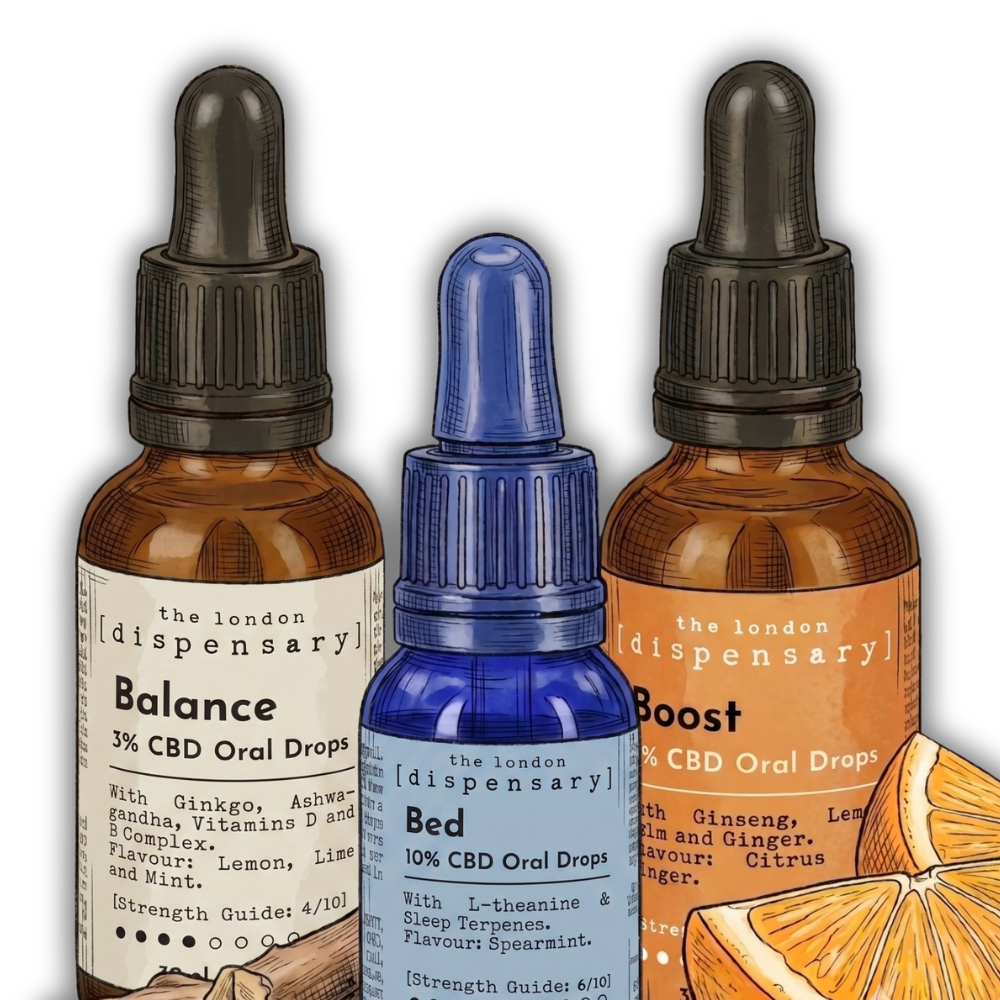
At The London Dispensary, Vitamin D3 appears as a measured vitamin ingredient in selected Balance CBD oils alongside Ashwagandha, Ginkgo and B vitamins. The exact quantity per product should always be taken from the current nutrition/product specification rather than inferred from this general ingredient hub.


Source to formula
Botanical profile
Vitamin D3 is used as a manufactured, standardised nutritional ingredient rather than a harvested botanical material. Supplier-level manufacturing origin is not currently stored in the ingredient record.

Key compounds
Cholecalciferol (Vitamin D3)
The form of vitamin D identified in the current TLD ingredient record and widely used in supplements.
25-hydroxyvitamin D
The principal circulating metabolite used clinically to assess vitamin D status after vitamin D has been processed by the liver.
Calcitriol
The hormonally active form produced after further metabolism, principally in the kidneys. It is a body metabolite rather than the ingredient added to TLD products.
Evidence, carefully read
What the science says
Vitamin D has an established nutritional role, so the science section is less about speculative wellness effects and more about what the nutrient does, how status is assessed and where public-health guidance draws the line between routine supplementation and medical treatment.
Bone and muscle health
UK public-health guidance sets vitamin D recommendations primarily to protect musculoskeletal health. Vitamin D contributes to calcium handling and normal bone and muscle function.
Sunlight is a major source
For most people, skin synthesis from sunlight is the main natural source. In the UK, sunlight is generally insufficient for meaningful vitamin D synthesis during autumn and winter.
Supplement advice is population guidance, not treatment
UK guidance commonly recommends 10 micrograms (400 IU) daily during autumn and winter for the general population, with year-round advice for some at-risk groups. Treatment of diagnosed deficiency can involve different doses under clinical supervision.
View research references
- Vitamin D – Health Professional Fact SheetNIH Office of Dietary Supplements, 2024
- SACN vitamin D and health reportUK Government / Scientific Advisory Committee on Nutrition, 2023
- Healthy eating: applying All Our Health – Vitamin DUK Government, 2026
Inside our formulas
How we use Vitamin D
Why we use it
Vitamin D3 is included as a measured nutrient within selected Balance oil formulations rather than as a botanical extract.
The form we use
Cholecalciferol (Vitamin D3) supplied as a standardised manufactured vitamin ingredient.
Where we source it
Supplier-level manufacturing origin is not currently stored in the ingredient record.
Why we pair it
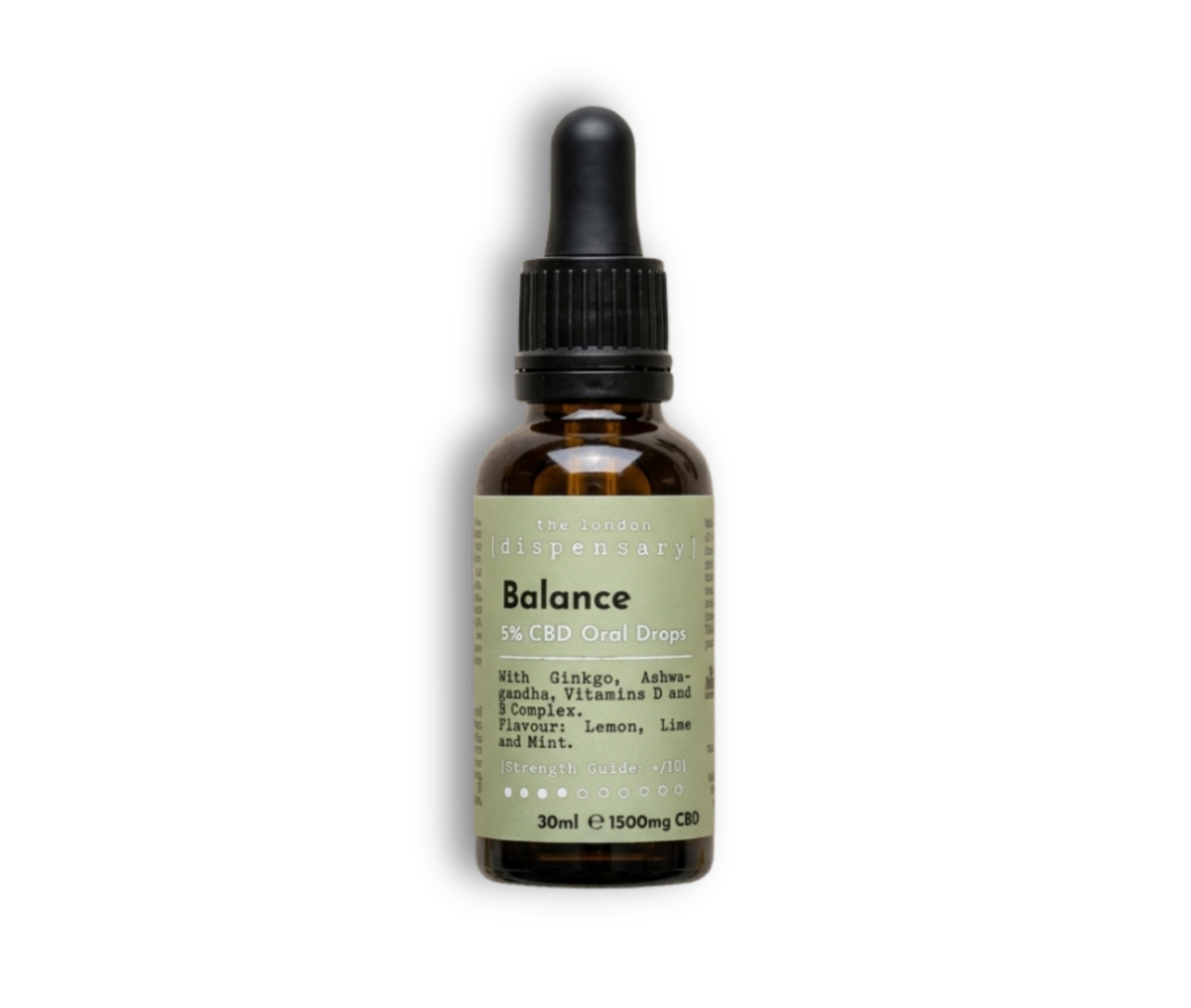
In selected Balance oils Vitamin D appears alongside B vitamins, Ginkgo, Ashwagandha and broad-spectrum CBD as part of the complete formulation.
From the dispensary
Products containing Vitamin D
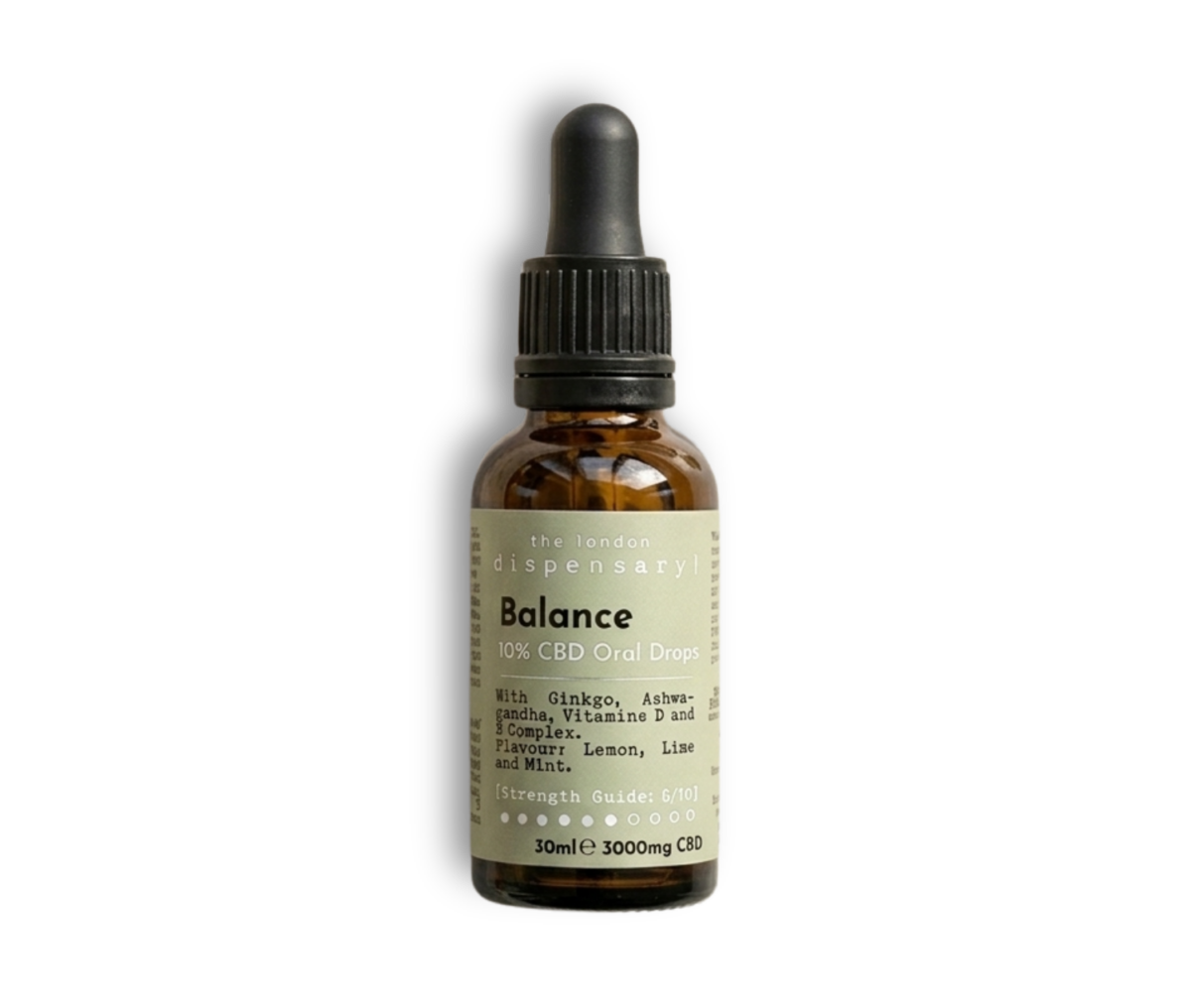





BALANCE
Balance 10% CBD Oil | 3000mg
Full-size 3000mg CBD oil with Ashwagandha, Ginkgo and vitamins.



BALANCE
Balance 15% CBD Oil | 1500mg
Compact 10ml, 15% CBD oil with Ashwagandha, Ginkgo & Vitamin D, B5,6,12.



Good to know
Questions about Vitamin D
What is Vitamin D3?
Vitamin D3 is cholecalciferol, one of the main forms of vitamin D used in foods and supplements.
Why is vitamin D important?
Vitamin D has an established role in calcium regulation and normal bone and muscle health.
What is the current UK vitamin D advice?
UK public-health guidance advises most people to consider 10 micrograms (400 IU) of vitamin D daily during autumn and winter, while some groups are advised to consider supplementation throughout the year.
Can you take too much vitamin D?
Yes. Excessive intake over time can cause too much calcium to build up in the blood, so higher-dose treatment should be separated from routine public-health supplementation advice.
How does TLD use Vitamin D?
Vitamin D3 is included as a measured nutrient in selected Balance CBD oil formulations alongside other vitamins and botanical ingredients.