




Are functional mushrooms legal in the UK? For ordinary consumers, the useful answer is that mushrooms such as Lion’s Mane, Reishi, Chaga and Shiitake should not be confused with psilocybin-containing “magic mushrooms”. But there is also no blanket rule saying that every product described as a “functional mushroom” can automatically be sold as a UK food supplement.
The legal position depends on what the mushroom actually is, which fungal material is used, how it has been processed, what the finished product is sold as and what claims are made about it.
That sounds more complicated than a simple yes or no, but it is the distinction that matters. In UK law, controlled psychedelic mushrooms, ordinary foods, novel foods, food supplements and medicinal products are governed by different rules.
This guide was checked against current Home Office/GOV.UK, Food Standards Agency, MHRA and Royal Botanic Gardens, Kew sources on 28 September 2026.
Are Functional Mushrooms Legal in the UK?
“Functional mushroom” is an industry and consumer term, not a single legal classification that decides whether a product may be sold. UK regulators instead look at the actual substance and product.
That means two products can both say “mushroom supplement” on the front while raising very different legal questions.
- A conventional edible mushroom used as food may fall under ordinary food law.
- A concentrated or unusual mushroom preparation may need a novel-food assessment, depending on its history of consumption and how it is produced.
- A food supplement must comply with food-supplement and claims rules.
- A product presented as preventing or treating disease can cross into medicines regulation.
- A fungus containing psilocin or an ester of psilocin is in a completely different category: controlled-drug law.
If you are looking for the product side rather than the legal detail, our functional mushrooms hub covers our current mushroom range and formats.

MYTH BUSTER
Functional Mushrooms vs Magic Mushrooms: The Legal Difference
This is the most important distinction in the whole topic.
GOV.UK lists magic mushrooms as Class A drugs. The law was clarified in 2005 so that fungi containing psilocin or an ester of psilocin are controlled regardless of whether the mushroom is fresh or prepared.12
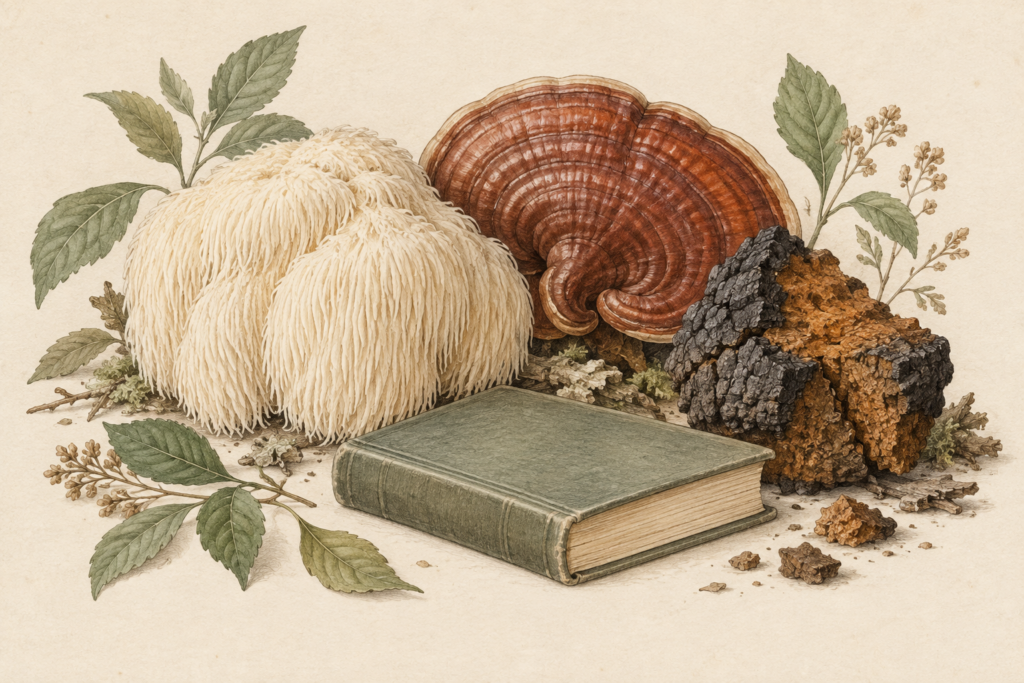
Lion’s Mane (Hericium erinaceus), Reishi/Lingzhi (Ganoderma species), Chaga (Inonotus obliquus) and familiar edible mushrooms such as Shiitake are different fungi. Calling them “functional” does not make them psychedelic, and the controlled-drug status of psilocybin mushrooms should not be transferred to them by association.
| Question | What actually matters? |
|---|---|
| Is it a controlled drug? | Whether the fungus contains controlled substances such as psilocin/psilocybin, rather than whether marketing calls it a “mushroom”. |
| Can it be sold as food? | The identity of the ingredient, material used, processing, history of consumption and any novel-food requirements. |
| Can it be sold as a supplement? | Food-supplement, safety, labelling and claims requirements as well as the ingredient’s own regulatory status. |
| Can it claim to treat a condition? | Ordinary foods cannot claim to prevent, treat or cure disease; medicinal presentation can trigger medicines regulation. |
Food Law Is the Bigger Question for Most Functional Mushrooms
Once psychedelic controlled drugs are put to one side, the more relevant legal question for most mushroom gummies, capsules, powders and extracts is food regulation.
The Food Standards Agency defines food supplements as foods designed to supplement the normal diet and sold in dose form, including capsules, gummies, powders and liquids. The FSA also makes clear that food supplements are not medicines and should not be sold with claims that they can prevent, treat or cure a medical condition.3
So a mushroom gummy can be a food supplement without being a medicine — but the fact that it is a supplement does not exempt the underlying mushroom ingredient from the rest of food law.
What Are the Novel-Food Rules for Mushroom Supplements?
This is where blanket statements such as “all functional mushrooms are legal” become unreliable.
In Great Britain, foods without a significant history of consumption in the UK or EU before 15 May 1997 can fall within the novel-food regime and require authorisation before being placed on the market. The FSA says it is the responsibility of the food business operator to verify the status of the product it intends to sell.4
Crucially, the FSA says businesses need to know the identity of the ingredient, the relevant part or material and the intended use. That means a familiar edible species does not automatically answer the status of every extract, fermentation product or concentrated preparation made from it.5

DID YOU KNOW?
Does Being a Traditional Mushroom Automatically Avoid Novel-Food Rules?
Not necessarily. The useful question is not only “has somebody eaten this species before?” but also “has this particular food or preparation been consumed to a significant degree in the relevant form?”
The FSA operates an Article 4 consultation process for businesses that are uncertain about novel-food status and can provide evidence of significant consumption before May 1997. If the outcome is that the food is novel, authorisation is needed before it can legally be marketed in Great Britain.7
For consumers, you do not need to become a regulatory lawyer. But it is a useful reason to prefer brands that can clearly tell you the species, the material used and what sort of preparation is in the finished product.
TOP TIP
Is Lion’s Mane Legal in the UK?
Lion’s Mane deserves its own explanation because two different legal issues are often mixed together.
Commercial Lion’s Mane food and supplement products are not the same thing as psilocybin-containing magic mushrooms. But that does not mean every possible Lion’s Mane preparation gets a blanket exemption from food regulation; the same product-specific food and novel-food analysis still applies where relevant.
There is also a completely separate conservation rule: wild Lion’s Mane is protected in Britain. Royal Botanic Gardens, Kew states that Lion’s Mane is one of the few fungi protected under the Wildlife and Countryside Act 1981 and that harvesting it from the wild in the UK is illegal.8
That is a conservation restriction on wild harvesting. It should not be misreported as “Lion’s Mane supplements are illegal”.
For more on its protected wild status, research and supplement formats, read our dedicated Lion’s Mane Mushroom UK guide.
What About Reishi and Chaga?
Reishi and Chaga should also be assessed by the exact ingredient and preparation rather than by assuming that the species name alone settles the legal status of every product made from it.
Our Reishi Mushroom UK guide covers the taxonomic and supplement questions around Ganoderma products, while our Chaga guide covers Inonotus obliquus. Neither page should be treated as a substitute for a product-specific novel-food assessment by a business placing a new ingredient or preparation on the market.
Can Functional Mushroom Supplements Make Health Claims?
Legal ingredients do not create unlimited marketing claims.
GOV.UK states that foods cannot claim or imply that they treat, prevent or cure disease or a medical condition.9
For commercial nutrition and health claims in Great Britain, the Department of Health and Social Care maintains the Great Britain Nutrition and Health Claims Register. The current guidance says only authorised claims on that register may be used in Great Britain.10
This is why a mushroom product page should not simply turn preliminary research into statements such as “treats anxiety”, “prevents dementia”, “boosts immunity against infections” or “cures insomnia”. Those are not ordinary wellness descriptions.
When Can a Mushroom Product Become a Medicine?
The MHRA looks at how a product is presented and what it is intended to do. Its current borderline-products guidance says a medicinal product can include a substance presented as having properties for preventing or treating disease, and that the fact an ingredient is herbal or “natural” does not prevent the finished product from being considered a medicine.11
That distinction matters online because the MHRA considers the overall presentation, including websites, advertising, packaging, promotional material and social media — not just the product name.
Are the Rules the Same Across England, Scotland, Wales and Northern Ireland?
Not completely.
The Great Britain novel-food system covers England, Scotland and Wales. The FSA states that Northern Ireland continues to follow EU food-law rules for novel foods, including the EU authorisation route.5
For a normal consumer buying a mainstream supplement, this may be invisible. For a manufacturer or retailer launching a new mushroom extract across the whole UK, it is an important compliance distinction.
What Should You Check When Buying Functional Mushroom Supplements?
A sensible buying checklist also happens to line up with many of the details that matter in regulation and product quality:
- Species: look for a proper mushroom name rather than only “functional mushroom blend”.
- Material: is it fruiting body, mycelium or a defined combination?
- Preparation: whole powder, hot-water extract, dual extract, fermented material or another preparation?
- Amount: how much of the actual mushroom ingredient is supplied per serving?
- Other ingredients: check the full formulation, particularly in multi-ingredient gummies or powders.
- Testing: look for meaningful quality or contaminant testing where relevant.
- Claims: sweeping disease-treatment promises are a warning sign, not proof that the supplement is more effective.
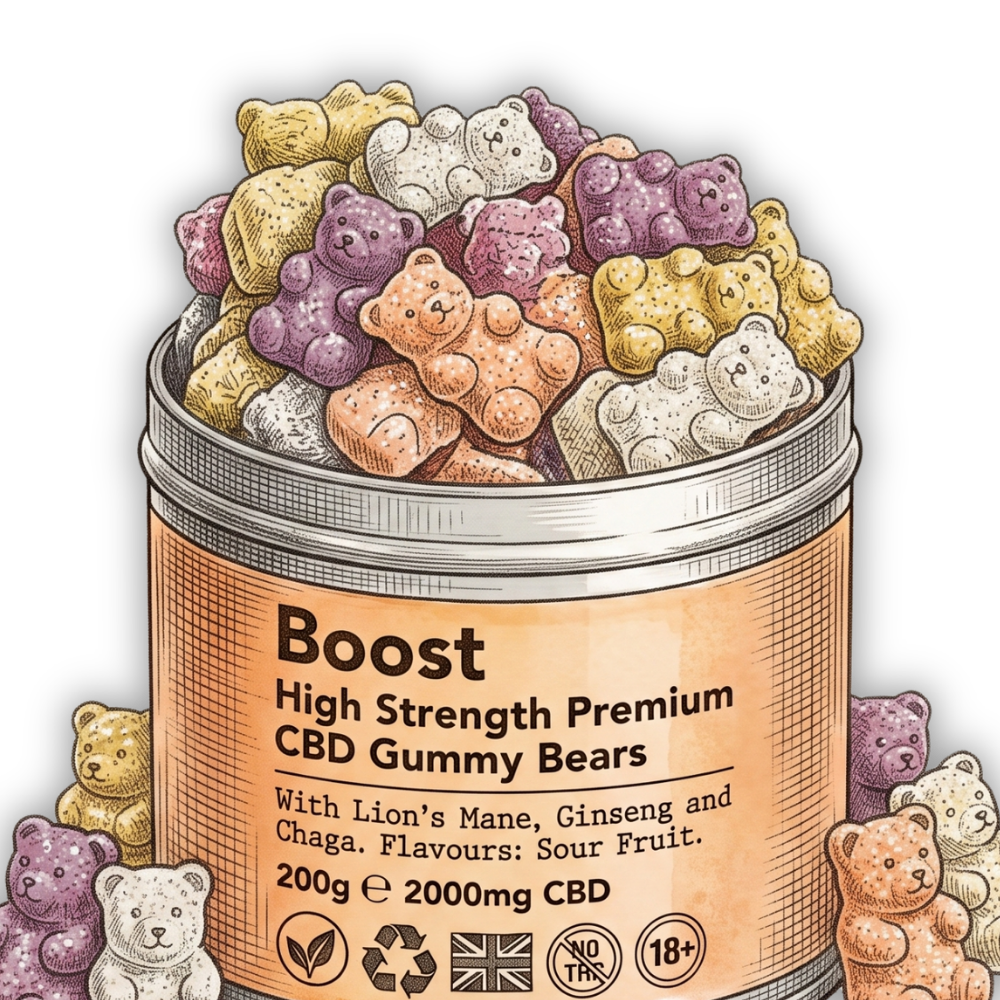
If gummies are your preferred format, browse our mushroom gummies category. The commercial product pages and this legal guide have different jobs: the category helps you compare products, while this page explains the regulatory distinctions behind the market.
So, Are Mushroom Supplements Legal in the UK?
Many ordinary mushroom foods and supplements can be sold in the UK, but “functional mushrooms are legal” is too broad to be a complete regulatory answer.
The useful framework is:
- Psilocybin/psilocin-containing magic mushrooms: controlled as Class A drugs.
- Ordinary mushroom foods and supplements: subject to food, safety, labelling and product-specific ingredient rules.
- Novel preparations: may require novel-food authorisation if there is not sufficient pre-15 May 1997 history of consumption in the relevant form.
- Marketing claims: foods cannot claim to prevent, treat or cure disease; authorised health-claim and medicines-boundary rules also matter.
- Wild Lion’s Mane: separately protected from harvesting in Britain.
In other words, the sensible divide is not simply “legal mushrooms versus illegal mushrooms”. You need to know the species, the compounds, the preparation, the intended use and the claims being made about the finished product.
This article provides general regulatory information, not legal advice. Source check completed 28 September 2026.
Frequently Asked Questions
Frequently Asked Questions
Are functional mushrooms legal in the UK?
There is no single UK legal category called functional mushrooms. Ordinary mushroom foods and supplements are not automatically controlled drugs, but the specific species, fungal material, preparation, intended use and novel-food status still need to comply with the applicable food and medicines rules.
Are magic mushrooms legal in the UK?
No. Fungi containing psilocin or an ester of psilocin, including psilocybin, are controlled as Class A drugs. They are legally distinct from ordinary functional mushroom foods and supplements.
Is Lion's Mane legal in the UK?
Commercial Lion's Mane food or supplement products are legally different from psilocybin-containing magic mushrooms. However, the exact food ingredient or preparation still has to comply with applicable food rules, and wild Lion's Mane is protected in Britain and should not be harvested.
Is it legal to pick wild Lion's Mane in the UK?
No. Royal Botanic Gardens, Kew states that Lion's Mane is protected under the Wildlife and Countryside Act 1981 and that harvesting it from the wild in the UK is illegal.
Are all mushroom extracts automatically legal to sell as food supplements?
No. Novel-food status is product-specific. The FSA says businesses must verify the status of the food they intend to market, including the identity of the ingredient, the part or material used and its intended use. A preparation without a sufficient history of consumption before 15 May 1997 may require novel-food authorisation.
Can mushroom supplements claim to treat medical conditions?
No ordinary food supplement should be marketed as preventing, treating or curing disease. In Great Britain, commercial nutrition and health claims must follow the authorised claims rules, and medicinal presentation can also bring a product within the MHRA medicines boundary.
References
- GOV.UK. Drugs penalties. Accessed 28 September 2026. https://www.gov.uk/penalties-drug-possession-dealing
- The Misuse of Drugs (Amendment) (No. 2) Regulations 2005, SI 2005/1653, explanatory note. https://www.legislation.gov.uk/uksi/2005/1653/pdfs/uksi_20051653_en.pdf
- Food Standards Agency. (2026). Food supplements guidance. Published 25 June 2026. https://www.gov.uk/government/publications/food-supplements-guidance/food-supplements-guidance
- Food Standards Agency. (2026). Novel food status guidance. Accessed 28 September 2026. https://www.gov.uk/government/publications/novel-foods-authorisation-guidance/novel-foods-authorisation-guidance
- Food Standards Agency. (2026). Novel food status guidance. https://www.gov.uk/government/publications/novel-foods-authorisation-guidance/novel-foods-authorisation-guidance
- Food Standards Agency. Authorised Regulated Food and Feed Products for Great Britain: Mycelial extract from Shiitake mushroom (Lentinula edodes), NOVEL-94. Accessed 28 September 2026. https://data.food.gov.uk/regulated-products/novel_authorisations/novel-94
- Food Standards Agency. (2026). Outcomes on novel food consultations. https://www.gov.uk/government/publications/outcomes-on-novel-food-consultations
- Royal Botanic Gardens, Kew. Lion’s mane mushroom: King of the jungle? Accessed 28 September 2026. https://www.kew.org/read-and-watch/lions-mane-fungus
- GOV.UK. Food labelling and packaging: Nutrition, health claims and supplement labelling. Accessed 28 September 2026. https://www.gov.uk/food-labelling-and-packaging/nutrition-health-claims-and-supplement-labelling
- Department of Health and Social Care. (2026). Great Britain nutrition and health claims (NHC) register. Updated 19 May 2026. https://www.gov.uk/government/publications/great-britain-nutrition-and-health-claims-nhc-register
- Medicines and Healthcare products Regulatory Agency. (2026). Borderline products: how to tell if your product is a medicine. Updated 2 July 2026. https://www.gov.uk/guidance/borderline-products-how-to-tell-if-your-product-is-a-medicine